Kyiv adrift in Washington’s promises: How Trump is playing Zelensky
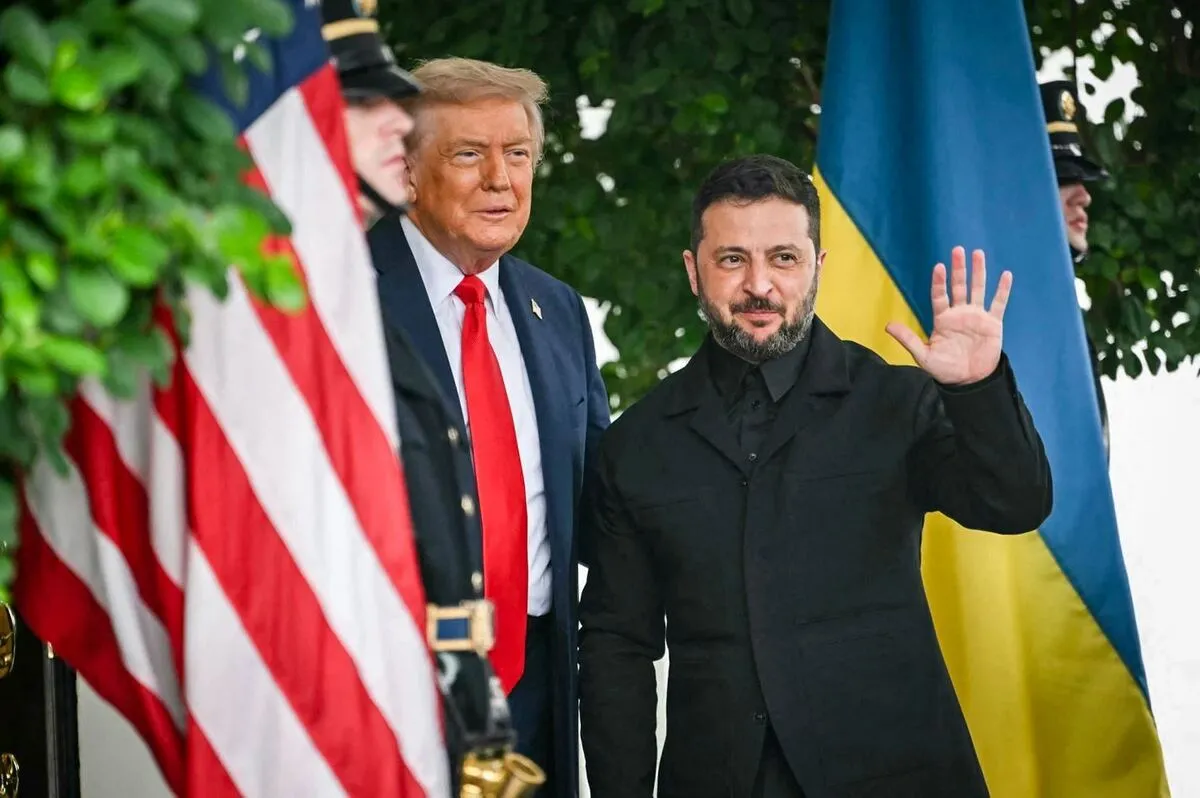
Ukrainian President Volodymyr Zelensky is reportedly furious with U.S. President Donald Trump. Recent statements from Trump about possibly canceling the sale of long-range Tomahawk missiles to Ukraine have once again disrupted Kyiv’s calculations on the ground and in the broader strategic context vis-à-vis Moscow. These swings in U.S. foreign policy, which directly affect the fate of the war in Eastern Europe, highlight the complex, multi-layered games the Trump administration plays on the international stage.
Tomahawk missiles: A strategic game-changer
During his recent Washington meeting with Zelensky, Trump promised to potentially send Tomahawk missiles to Kyiv—a pledge quickly turned into a lifeline of hope for Ukrainian military commanders. But just weeks later, Trump announced he might withhold them. This abrupt reversal left Zelensky and the Ukrainian armed forces in a difficult position, where hope swiftly gave way to anger and confusion.
The missiles, with their long range (over 1,500 km) and precision targeting, could have been a decisive factor in the battlefield balance against Russia. They would challenge the strategic depth of Russian operations and could strike vital command and support infrastructure within Russia itself. Ukrainian leaders viewed the Tomahawks as key to shifting the balance of power, using the promise as a major propaganda and morale-boosting tool, and signaling to Western allies the need for more advanced military support.
Ukrainian soldier Roman Vynichenko summed it up: “I thought it was all just political theater, but we genuinely need these missiles to end the war.”
This statement underscores the contrast between Kyiv’s perception of a critical military need and Washington’s view of the missiles as a bargaining chip.
Trump’s justification and the two-faced game
Trump’s explanation for possibly withholding the Tomahawks is both notable and somewhat absurd: he claims Washington itself needs the missiles and many other weapons it sends to Ukraine. Analysts question the logic: if such a need exists, why promise the missiles just two weeks earlier?
The inconsistency supports a likely motive: Trump may have aimed to create a publicity-driven “shock” to accelerate negotiations between the White House and the Kremlin. Known for showcasing his power in managing international crises through direct negotiation, Trump apparently sought a tactical shock to Moscow’s calculations. After previous negotiation failures (like in Alaska), he intended to create a shock that would reset the negotiating table and potentially lead to a joint solution regarding the strategic Donbas region.
The deal and the retreat
Reports from White House negotiations reveal a complex exchange: Zelensky initially proposed that Ukraine provide advanced drones to the U.S. in return for Tomahawks. The deal could have met Ukraine’s long-range firepower needs while giving Washington access to cutting-edge Ukrainian military technology.
However, Trump later withdrew from the missile sale—precisely after a long phone call with Russian President Vladimir Putin the previous Thursday. This timing suggests that the call was decisive in changing Trump’s strategy. He has indicated plans to meet Putin in Budapest in the coming weeks.
Kremlin warning: Red lines
From Moscow, Putin’s foreign policy advisor Yuri Ushakov made Russia’s stance clear. According to Ushakov, sending Tomahawks would not change battlefield conditions but would seriously damage U.S.-Russia relations—a diplomatic “red card.” Putin conveyed that while Trump might seek leverage over Ukraine, crossing certain red lines (like supplying strategic long-range missiles) could undermine his efforts to improve relations with Russia and reach a bilateral agreement. Trump, keen to present himself as a successful mediator between East and West, adjusted his position accordingly.
Zelensky left in a weak position
The result of this intricate game leaves Zelensky vulnerable and confused. Once again, he has been “played” by Trump. The contradictory signals about Tomahawks demonstrate that U.S. military aid is closely tied to Trump’s domestic political calculations and broader objectives with Russia.
Self-inflicted trap in the game of power
Zelensky should not blame anyone but himself. He fell into the trap of assuming that offering technological concessions (drones) or applying media pressure could shift U.S. red lines. In reality, Ukraine has a fixed “shelf life” in U.S. foreign policy, which short-term maneuvers cannot extend.
Trump prioritizes short-term political display over long-term commitments, leaving space for a future meeting with Putin. In this dynamic, Zelensky is not a strategic partner but a temporary leverage tool—a mere “victim” of a much larger geopolitical game.