Orban sets Europe ablaze
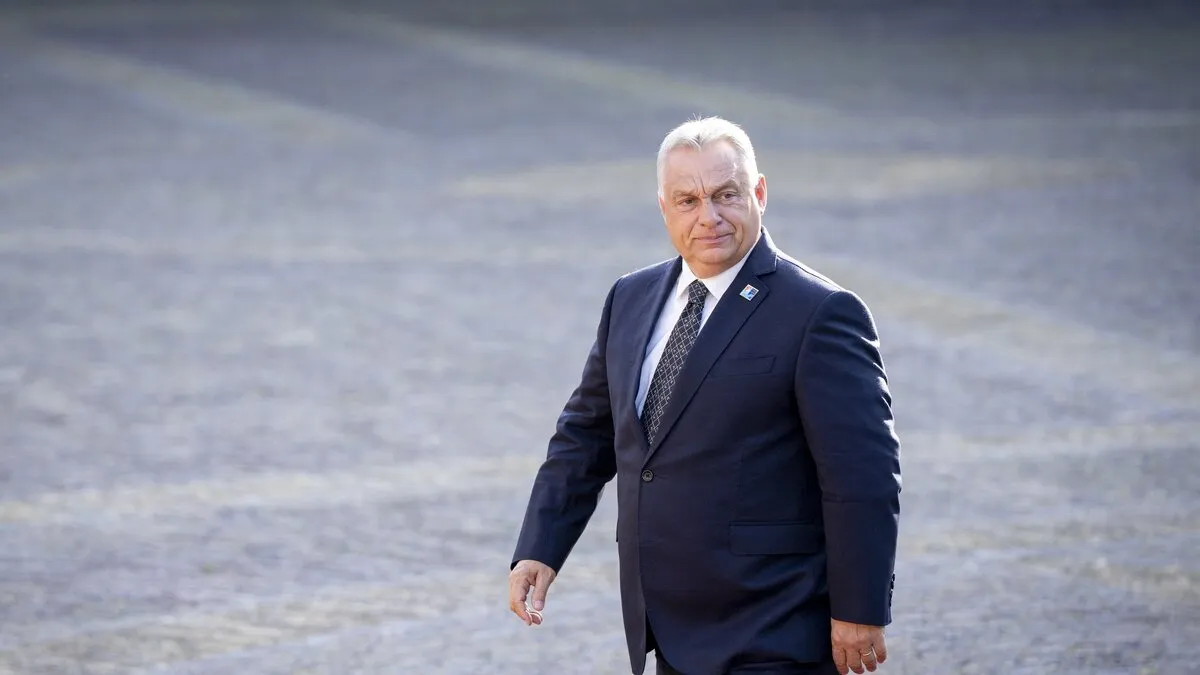
In recent days, analysts of international affairs have been closely examining an unprecedented situation facing Viktor Orbán, Hungary’s Prime Minister — one brought about by the possibility that he might host direct talks between Vladimir Putin and Donald Trump in Budapest. If such an event were to take place, it could dramatically reshape Orbán’s role within Europe’s political landscape, elevating him from a marginal figure to a central player in efforts to end the war in Ukraine.
This scenario exposes the deepening cracks in the Western consensus toward Moscow. Should the meeting occur in the capital of an EU member state, it would directly undermine Brussels’ efforts to isolate Putin. Putin’s entry onto EU soil for the first time since 2020 would be a psychological victory for the Kremlin, demonstrating that the Western alliance remains vulnerable to leaders like Orbán and Trump, who challenge prevailing orthodoxies.
This is particularly significant given the EU’s harsh sanctions on Russian officials, including Putin himself. Hosting him would directly contradict Europe’s hardline policy toward Moscow and would likely heighten concerns about Trump’s unpredictable stance on Ukraine and the possible erosion of European security commitments.
Viktor Orbán has long positioned himself as an informal bridge between East and West. His approach to the war in Ukraine — combining reluctant support for EU sanctions with continued energy and trade ties to Russia — has set him apart from other European leaders. This delicate balancing act could now become a unique opportunity. If Orbán succeeds in hosting a Putin–Trump summit, he would transform from a leader often criticized within the EU for his authoritarian tendencies into a “necessary mediator.” Such a role could temporarily ease Brussels’ pressure on Hungary’s democratic record and greatly enhance Budapest’s leverage in EU budget and rule-of-law negotiations.
From Moscow’s perspective, Putin’s visit to an EU member state — even one as defiant as Hungary — would represent a symbolic triumph. It would acknowledge the cracks in Western unity and bolster the narrative that pressure on Russia is unsustainable and that factions within the West are seeking compromise. For Russia, the goal of such a meeting would not necessarily be immediate peace, but rather the strategic weakening of NATO and EU cohesion in their support for Kyiv.