The Shadow Unit: Hamas’ most mysterious force and its strategic role in the war
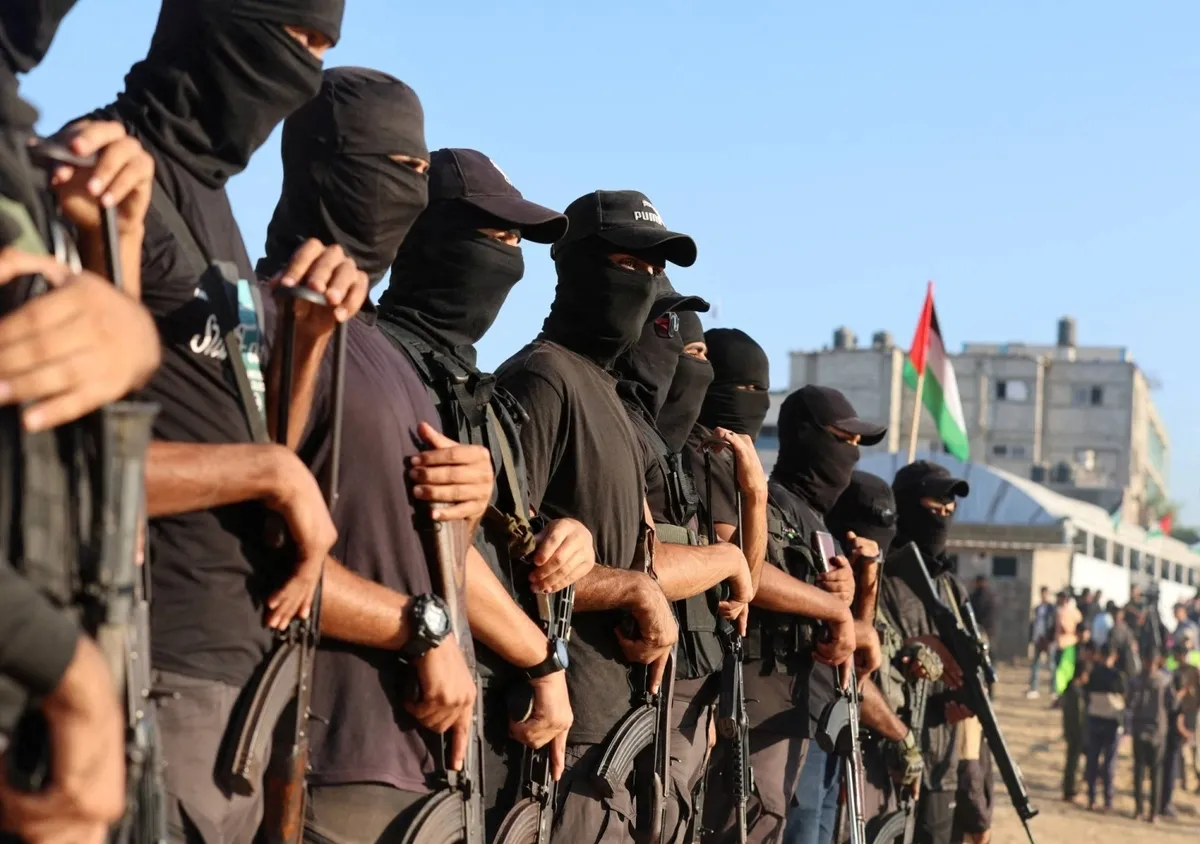
Last night (Tuesday), the Izz al-Din al-Qassam Brigades, the military wing of the Hamas movement, issued a statement praising members of the “Shadow Unit” for their role in safeguarding Israeli prisoners during two years of the occupier’s genocidal war against the Gaza Strip.
Al-Qassam paid tribute to the anonymous forces of the Shadow Unit, who in extremely complex wartime conditions were able to protect the Israeli prisoners, stressing that these forces sacrificed their lives so that the resistance’s promise to free our prisoners from the enemy’s jails would be fulfilled.
What is the Shadow Unit?
Affiliated with the al-Qassam Brigades, the Shadow Unit outperformed the occupation and its allies during Operation Al-Aqsa Storm, protecting Israeli prisoners under highly complicated and dangerous circumstances so that the primary leverage to pressure the enemy and end the genocidal war would be preserved.
The Shadow Unit is considered the most secretive and professional unit within the al-Qassam Brigades; the existence of such a unit was first revealed in 2016. During the Gaza war, members of this unit were tasked with protecting Israeli prisoners held by the resistance as a tool to exert pressure on the occupiers to secure a successful prisoner exchange and the cessation of hostilities.
Al-Qassam selects members of the Shadow Unit carefully from across its brigades and combat groups; they undergo direct and specialized indirect tests and training to enhance their security, military, and combat capabilities.
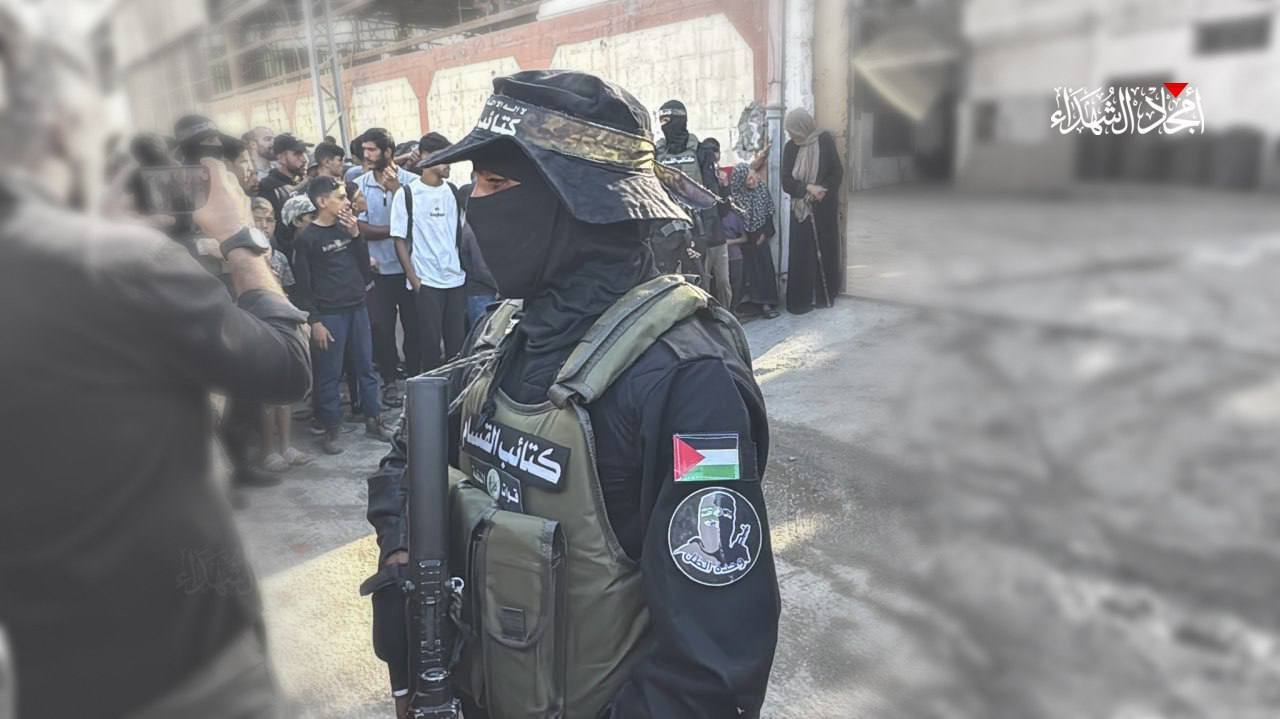
Selection criteria for Shadow Unit personnel include deep faith and commitment to the Palestinian cause and the resistance, a strong willingness to sacrifice, intelligence and calm, measured behavior in crises and emergencies, strict secrecy and confidentiality, and unique security and military capabilities.
The Shadow Unit was established within the al-Qassam Brigades in 2006 after the capture of Israeli soldier Gilad Shalit. At that time the unit’s primary mission was to guard Shalit until a prisoner-exchange agreement — known as “Loyalty to the Freed” — was carried out in 2011, in which the resistance released more than a thousand Palestinian prisoners, including the late Yahya Sinwar.
Sources affiliated with Hamas have previously said that the late Muhammad al-Dif and the late Muhammad Sinwar — the brother of the late Yahya Sinwar, who were founders of the Shadow Unit — ordered the formation of the unit after Gilad Shalit’s capture. Most of the forces involved in establishing the unit and in guarding Gilad Shalit came from the Khan Younis camp in southern Gaza, the hometown of al-Dif and Sinwar.
The Shadow Unit employs various tactical methods developed over the years by the al-Qassam Brigades. After the capture of two Israeli soldiers, Heder Golden and Aharon Shaul, during the 2014 51-day Gaza war, the unit further improved its tactics. It was later revealed that Aharon Shaul had been killed from the outset, and Israel recovered his body on the morning of 19 January, just hours before the ceasefire took effect.
The Shadow Unit’s tactics
According to Hamas sources, Shadow Unit members did not serve exclusively in that unit; they also took part in other missions such as rocket firing, tunnel digging, and other military operations. This was because service in the unit was not continuous around the clock and they did not always hold Israeli prisoners, especially during calmer periods on the ground while the unit was still developing and training its personnel.
These sources explained that the members were specially trained to secure Israeli prisoners, but after the 7 October 2023 attack — in which hundreds of Israelis from areas around Gaza were captured — they faced a major challenge.
During the war, the Shadow Unit received round-the-clock orders to move prisoners from one location to another; these transfers were carried out both on the surface and through underground tunnels.
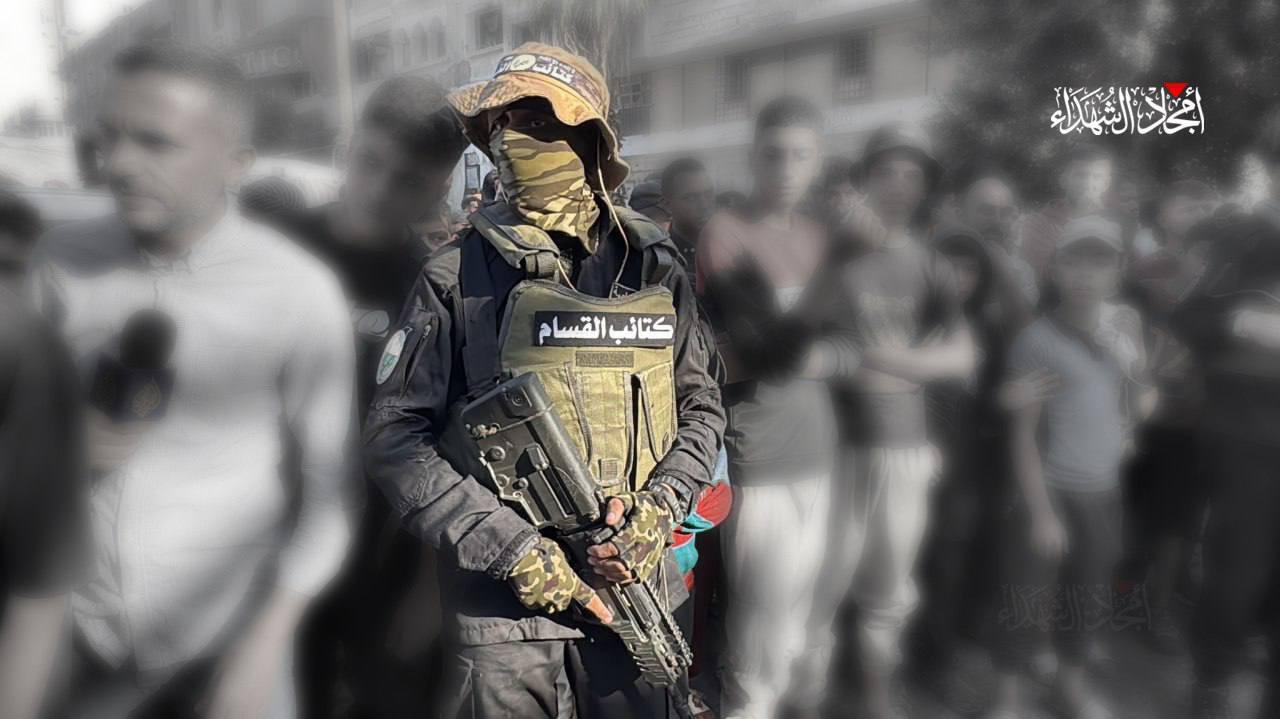
The transfer process of Israeli prisoners from their place of capture to the handover point was one of the Shadow Unit’s primary duties. Together with other al-Qassam combat forces, the unit executed deception and security concealment operations. Some tactics included moving prisoners from one vehicle to another and employing multiple identical vehicles (same color and model) so that transfer routes would remain anonymous and the risk of detection reduced. This procedure continued until the prisoners were delivered to the Red Cross.
The Shadow Unit always treats Israeli prisoners in accordance with Islamic law and properly, and — unlike the occupiers’ brutal treatment of Palestinian prisoners — members of the Shadow Unit provide necessary medical and psychological care to Israeli captives.
Everyone knows that Gaza, a flat strip of land without forests or mountains along a narrow coastline and surrounded on all sides, offers little capacity for concealment or hiding. Yet despite this, the resistance astonishingly managed to hold Israeli prisoners for two years, and the Israeli regime — despite possessing the most advanced Western and American technologies and extensive espionage activities — could not locate its prisoners’ whereabouts in Gaza. All of this was thanks to the members of the Shadow Unit.
The unit relies on highly complex and precise concealment, deception, and escape tactics, and the occupiers were never able to track the movements of Shadow Unit members or locate them even during prisoner-transfer operations.