In the silence after war, Gaza digs for its dead
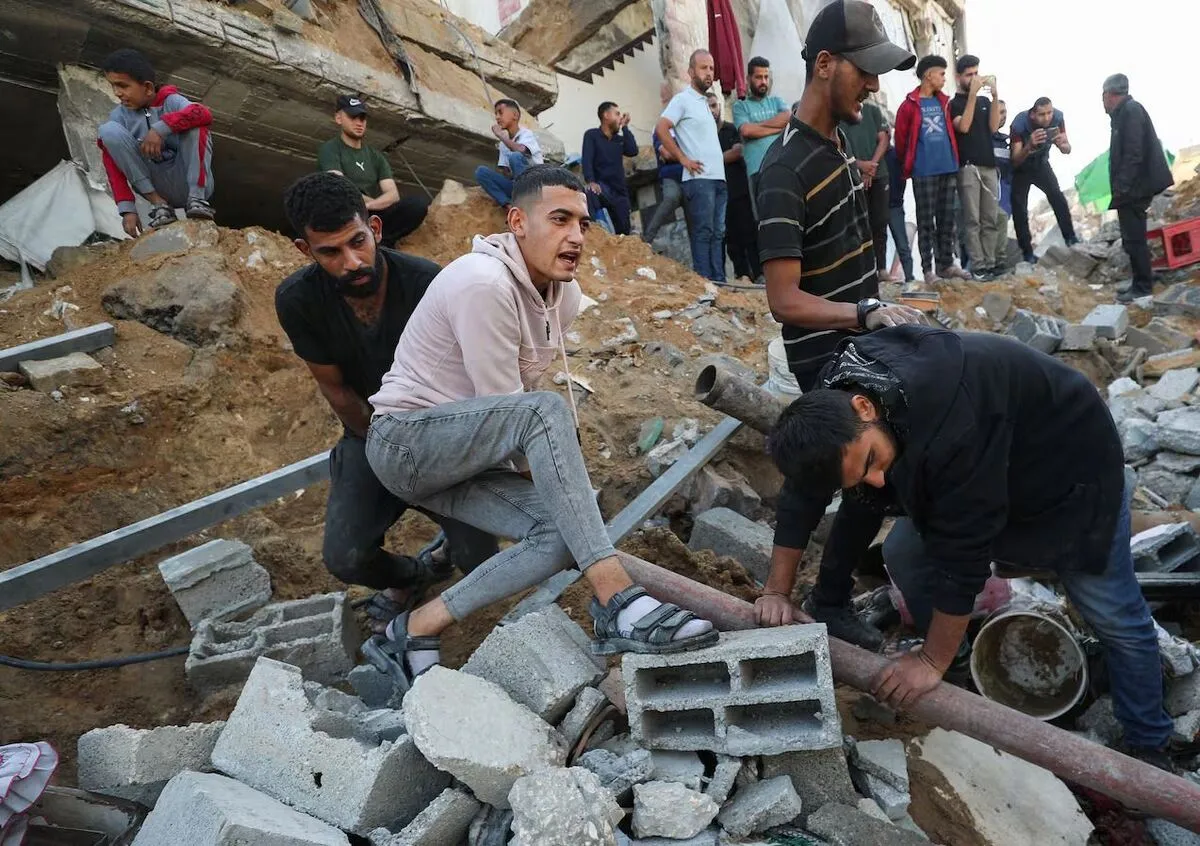
The ceasefire took effect on Friday, allowing the besieged strip to experience a few hours of relative calm after two years of war and relentless Israeli bombardment—though that calm is deeply mingled with grief and sorrow.
Some 70,000 killed and 170,000 wounded in Israel’s two-year war have left an immense burden of sorrow in Gaza. Now, during this pause in conflict, people are striving to locate approximately 10,000 bodies buried under debris.
According to The Guardian, Ghali Khadr, a 40-year-old resident of Jabalia in northern Gaza, returned two days after the ceasefire was declared to search the ruins of his parents’ home. He said his father, a retired ambulance driver known for his patience, never feared danger. He ignored Ghali’s warnings to move south. An Israeli airstrike on his father’s house buried both his father and mother under the rubble.
Ghali spent all Sunday combing through shattered concrete and twisted metal for any sign of his parents. All he could find were fragments of skull and parts of their hands.
He transported the remains to a cemetery for burial, only to discover the cemetery itself was destroyed. In the end, he buried what he could of his parents beside the few intact graves that remained.
Thousands like Khadr have returned to northern Gaza since the ceasefire, tasked with a grim mission: to search for loved ones who were killed weeks or months ago in Israeli airstrikes and whose bodies lie entombed beneath debris.
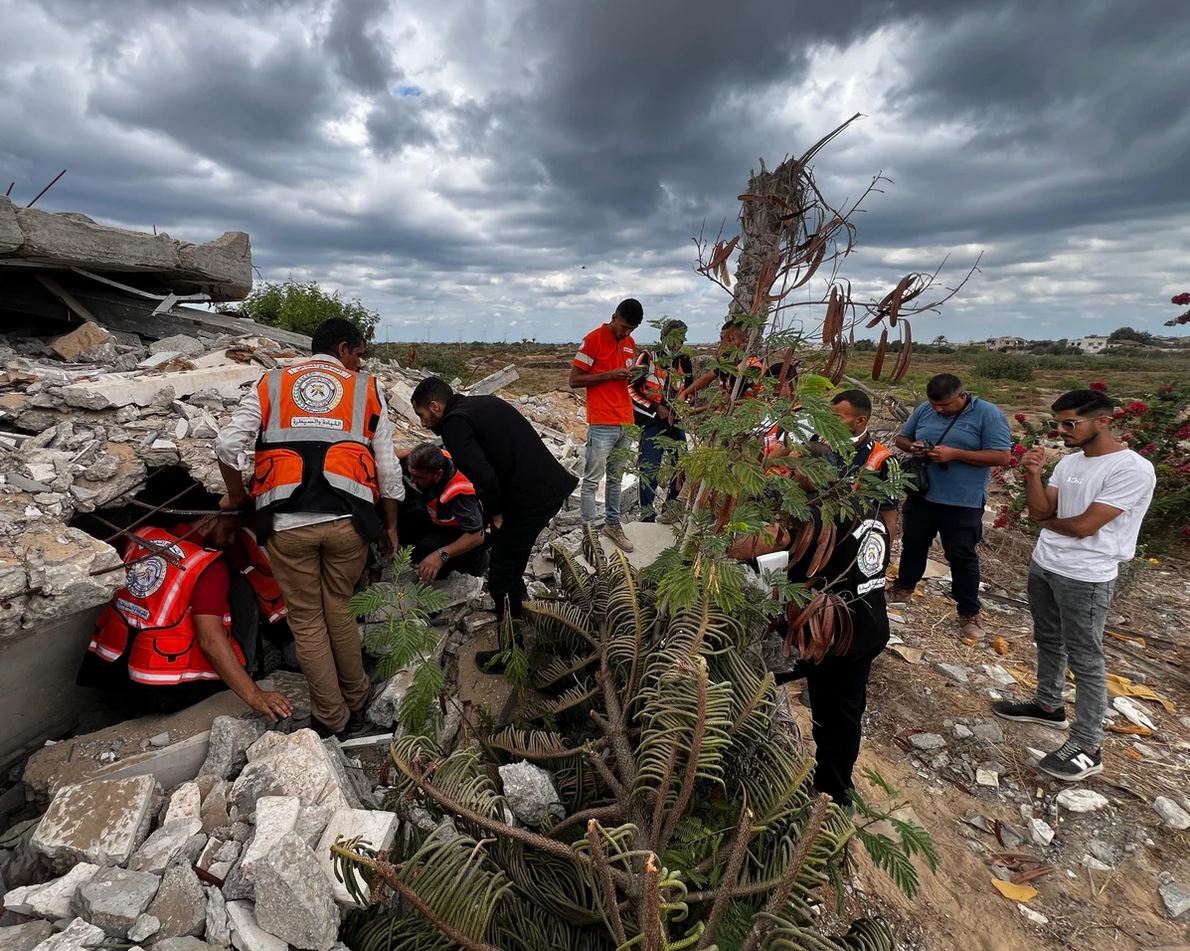
The Gaza Civil Defense estimates that around 10,000 bodies remain trapped under rubble and collapsed buildings. The cessation of hostilities has allowed ambulance services to finally begin recovering the martyrs, giving families a chance for closure.
Given roughly 60 million tons of debris across the region, the task ahead of rescue teams is enormous, compounded by the fact that most roads are damaged or blocked by rubble.

Civil Defense staff are short on heavy equipment and must rely on pickaxes and sledgehammers to break into collapsed structures. Rescue teams must move cautiously—many areas contain unexploded bombs and ordinance.
The head of Civil Defense in northern Gaza said: “Initially, we will focus on collecting bodies abandoned in the streets to preserve their remains.” Other rescuers, forced to dig by hand, have so far managed to recover only a fraction of the 10,000 missing. They have yet to begin systematic searches inside multi-story building ruins.
The Director of Humanitarian Support and International Cooperation at Gaza’s Civil Defense said that if Israel allows heavy machinery into the area in coming days, all bodies should be found within six months to one year.
Many residents of northern Gaza cannot wait that long. They have begun returning to their destroyed homes to search for loved ones on their own.
One Jabalia resident believes his brother, Sharif, was killed. After an Israeli airstrike on their home on July 25, the family lost contact with him. He managed to reach the ruins, but found no trace of Sharif.
He said: “We went to inspect the area but found nothing—he was as if vanished. The house and everything around it had turned into rubble. Witnesses said they last saw him near the house. My brother suffered from epilepsy; even if the attack didn’t kill him outright, he would have died without medicines.”
He added: “I was hoping to find something to confirm Sharif was there—a piece of clothing, any sign. We truly need heavy machines to search under the rubble, but none are available.”

For many families, the agony of not knowing where, when, or how their loved ones died is overwhelming. They have spent months displaced from their homes, stuck in limbo, waiting for any chance to find just one piece of them—a fragment to bid farewell.
Providing that opportunity drives Gaza’s rescue workers, toiling under the blazing sun while anxious families wait beside them.
One Civil Defense official said: “Families feel that recovering the bodies of their martyrs is a way to honor them, preserve their spirit, and assure them that their loved ones truly perished rather than remain missing.”