France trapped in a cycle of political farce
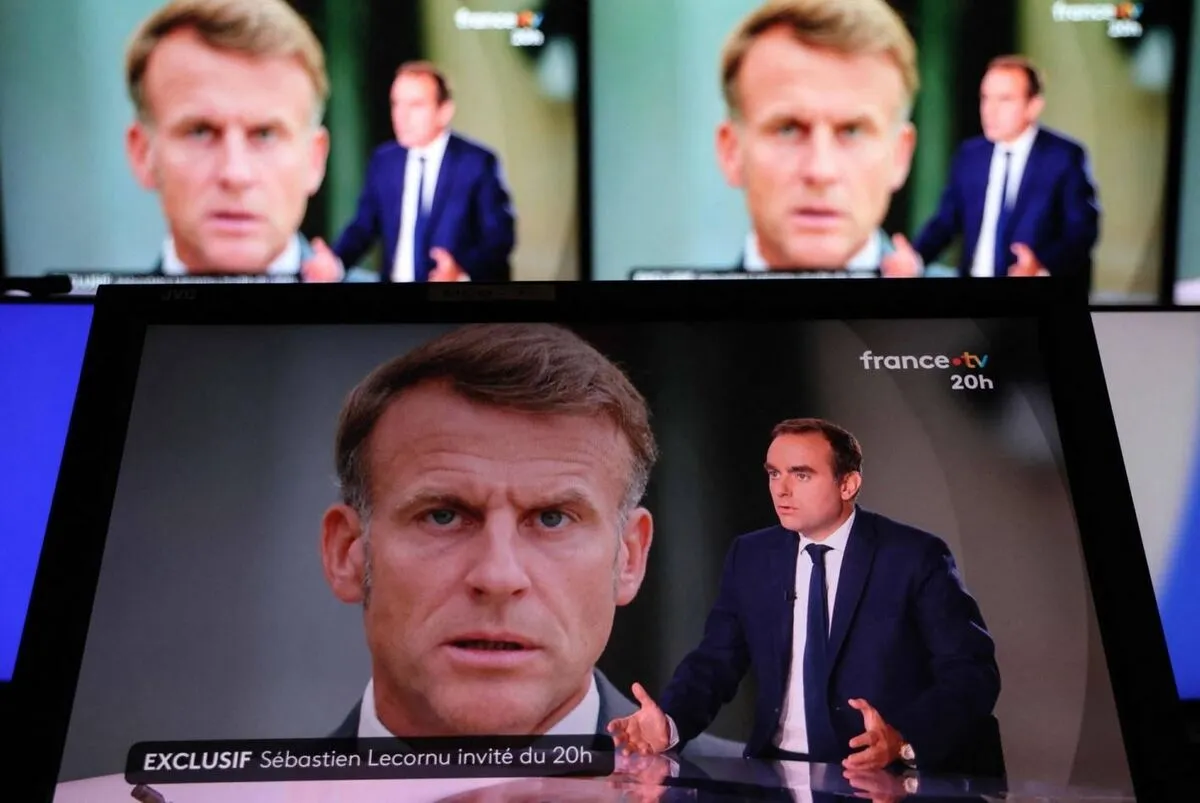
As Emmanuel Macron names his eighth prime minister since 2017, a debate over a potential new constitution is also underway.
The country is deeply divided: Parliament cannot reach consensus, the previous prime minister has resigned, and former premier Nicolas Sarkozy is facing trial.
The past week has been particularly chaotic. Lecornu, who was forced to resign just a month after taking office due to disagreements over his proposed cabinet, has now been reappointed.
After five days of intense negotiations over a replacement, Macron ended up right back where he started—reinstating the same man whose resignation he had accepted.
Both the far left and far right immediately vowed to oppose the new government.
According to The Guardian, France is not alone in its political turmoil; belief in a functioning democratic world is fading.
In France, the populist right offers a “return to the past” as its solution, while Macron and his allies must urgently find a different answer.
France’s latest political crisis descended into near farce this week, as Lecornu unexpectedly resigned—only to be reinstated by Friday.
His initial resignation triggered yet another week of political chaos: he stepped down less than four weeks after taking office, and only 14 hours after unveiling his minority government.
Yet within days, he was back—reappointed by Macron, tasked with forming a new cabinet and presenting the national budget next week.
In a statement, Lecornu said he accepted the renewed mandate “out of duty,” adding that he had been instructed to “do everything possible to secure France’s budget by year’s end and respond to the daily challenges of our citizens.”
His 27-day tenure as prime minister was even shorter than Liz Truss’s ill-fated term, making him the shortest-serving premier in modern French history.
France’s political paralysis comes amid mounting economic troubles, rooted in Macron’s shock decision in June 2024 to dissolve the National Assembly.
The snap elections produced a hung parliament, with no bloc holding a majority in the 577-seat chamber.
The deadlock has rattled investors, angered voters, and stalled efforts to contain France’s soaring budget deficit and public debt.
Without stable backing, Macron’s governments have stumbled from one crisis to the next—collapsing each time they sought support for unpopular austerity measures.