Europe’s struggle with a deepening housing crisis
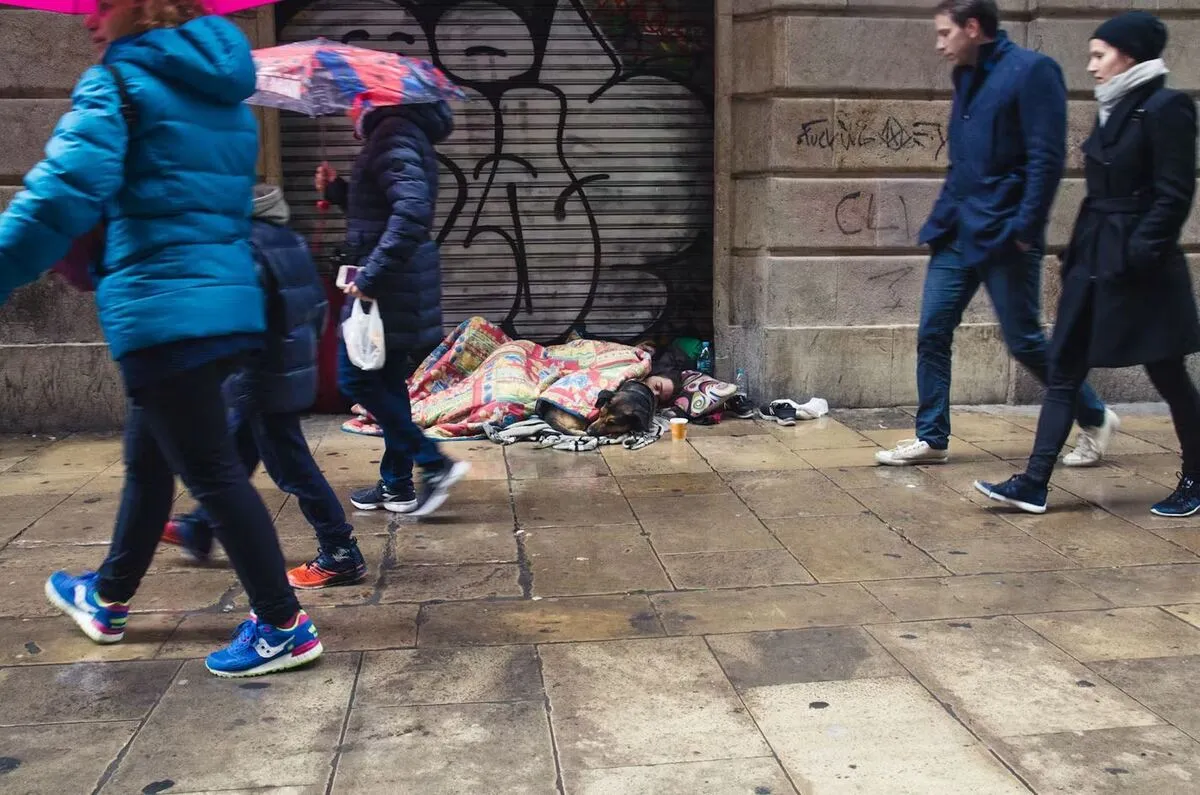
According to the German outlet Deutsche Welle, the European Federation of National Organisations Working with the Homeless (FEANTSA) stated in its latest report that the EU is facing a sharp rise in homelessness across member states.
This report comes as the EU pursues its ambitious plan to eradicate homelessness within the next five years.
Germany, Europe’s largest economy, reported at the start of 2025 that 531,600 people in the country lack permanent housing — a figure that also includes people temporarily staying with friends or relatives.
In the Czech Republic, more than 230,000 people out of a population of 10 million are either homeless or living in inadequate housing conditions.
FEANTSA’s data further indicates that homelessness is rising in other EU countries, including Finland, Denmark, and Ireland.
Meanwhile, rental prices across major European cities have surged dramatically. FEANTSA’s research found that in cities such as Berlin, Madrid, Rome, Paris, Amsterdam, and Dublin, the average rent has reached €31.50 per square meter.
Ruth Owen, deputy director of FEANTSA, told Deutsche Welle that researchers are working to assess the extent to which the housing crisis contributes to homelessness:
“It’s a very complex issue because the quality and scope of available data vary widely, but our findings show that homelessness is a fundamental and worsening problem across the EU.”
Owen also noted that lower official figures often reflect poor reporting, adding that some countries, such as Bulgaria and Croatia, lack updated or reliable data altogether.
Given these circumstances, analysts and social activists doubt the EU will achieve its 2030 target. Richard Rosenberg, a social activist with Germany’s largest welfare organization, said:
“I don’t think it will happen by 2030. In fact, I believe the problem — especially in Berlin — is worse now than ever before.”
Deutsche Welle also highlighted the political shift toward right-wing governments in parts of Europe, which has led to the rollback of housing initiatives meant to address the crisis.
For example, in Finland, the number of homeless people has increased over the past two years — an unprecedented rise in the last decade. In Hungary, the figures appear low, but analysts believe this is due to government pressure on NGOs under Prime Minister Viktor Orbán’s administration.