A new shock to the global economy
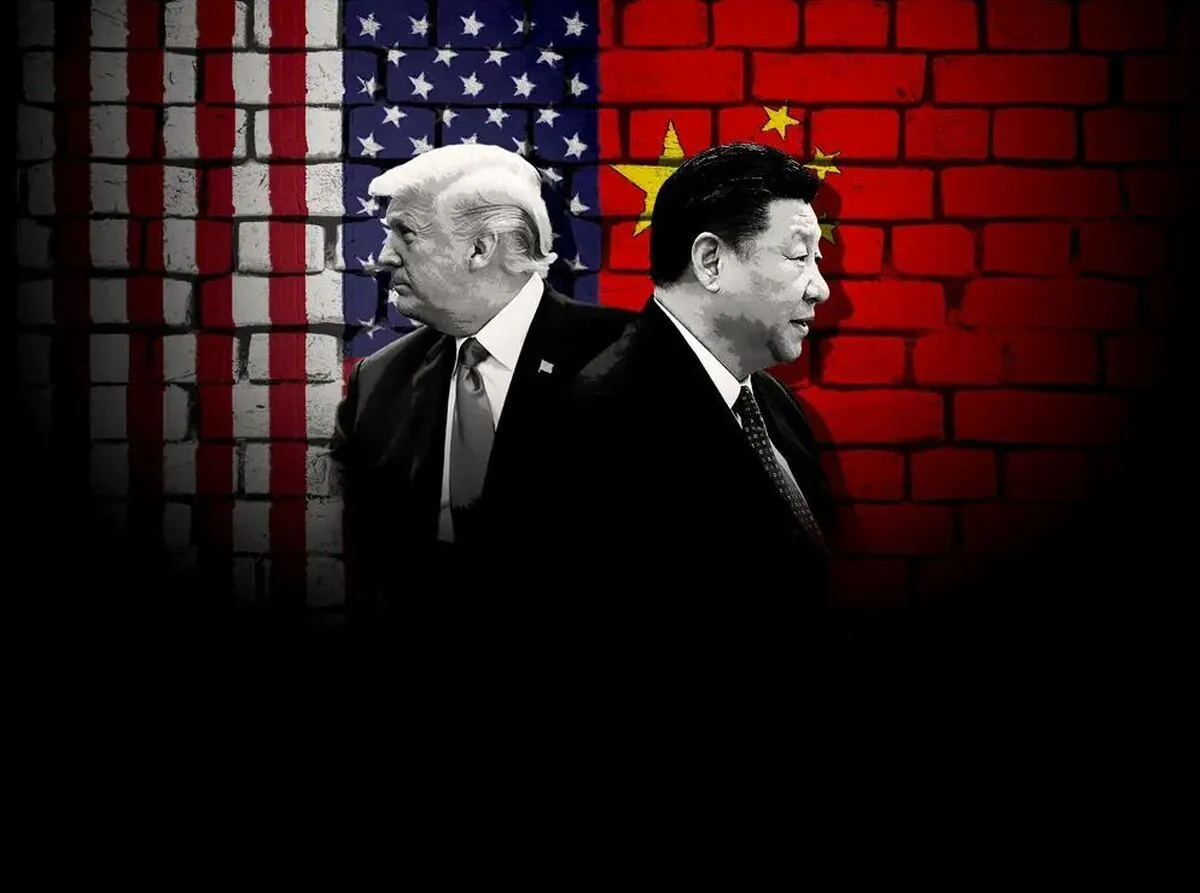
The U.S. administration’s official decision to continue its trade war with China has sent a new shockwave through global markets, while reigniting widespread and long-term anxiety among Washington’s allies. After a period in which trade tensions between the United States and China had seemingly settled into a form of “mutual containment,” recent statements by the U.S. president mark a renewed escalation — pushing the confrontation toward an all-out economic clash.
At the center of this renewed conflict is Donald Trump’s threat to dramatically raise tariffs on Chinese exports and his abrupt cancellation of a planned meeting with President Xi Jinping — a move that triggered sharp volatility across global financial markets and drove the world’s two largest economies to the brink of crisis.
Trump, who was scheduled to meet his Chinese counterpart in South Korea shortly thereafter, took to social media to harshly criticize Beijing’s policy of restricting the export of rare earth minerals, calling it an attempt to “hold the global economy hostage.” These minerals — over which China maintains dominant control in global markets — are essential for advanced technology infrastructure. Thus, a trade war that had long lingered in a state of “operational ambiguity” has once again entered a fully active phase.
Contrary to the belief of some analysts who view this confrontation as merely tactical or short-term, the roots of the U.S.-China trade war are structural and strategic. Both Trump and Xi have been fully aware of the enduring nature of this standoff from the outset, maintaining their tariff-based leverage and defensive mechanisms. Fundamentally, Trump’s economic doctrine is built on “domestic protectionism” and “challenging the global trade order,” making a lasting trade peace between the two sides highly unlikely. Observers familiar with the depth of these strategies were never optimistic about any sustainable outcome from tariff negotiations.
Throughout Trump’s second term, China demonstrated its ability to leverage its position to hold key components of U.S. trade hostage. The massive U.S. trade deficit with China — still heavily in Beijing’s favor — persists, while China’s retaliatory measures in the tariff war have discouraged many global actors from fully adhering to Washington’s restrictive policies. As a result, Chinese negotiators have consistently maintained a defensive posture, anticipating Trump’s potential return to his early hardline tactics.
Meanwhile, Wall Street and American investors — who had clung to faint hopes of a breakthrough — have once again been jolted by recent developments. This dispute, broad and enduring in nature, will inevitably affect other actors in the international system, including the European Union, India, and countries in North and Central America. The reason lies in both sides’ insistence on imposing secondary sanctions on nations supporting their opponent.
Although the sanctions may remain confined to the two principal contenders, the principle of “ally recruitment in trade wars” — a core strategy for both nations — ensures that the short- and mid-term consequences of this economic battle will ripple through global trade in the coming days and weeks. In such a context, the World Trade Organization is losing its regulatory capacity, as the sheer economic weight of both powers continues to reshape the norms and foundations of international commerce.