Israel facing economic meltdown after trillion-shekel Gaza war
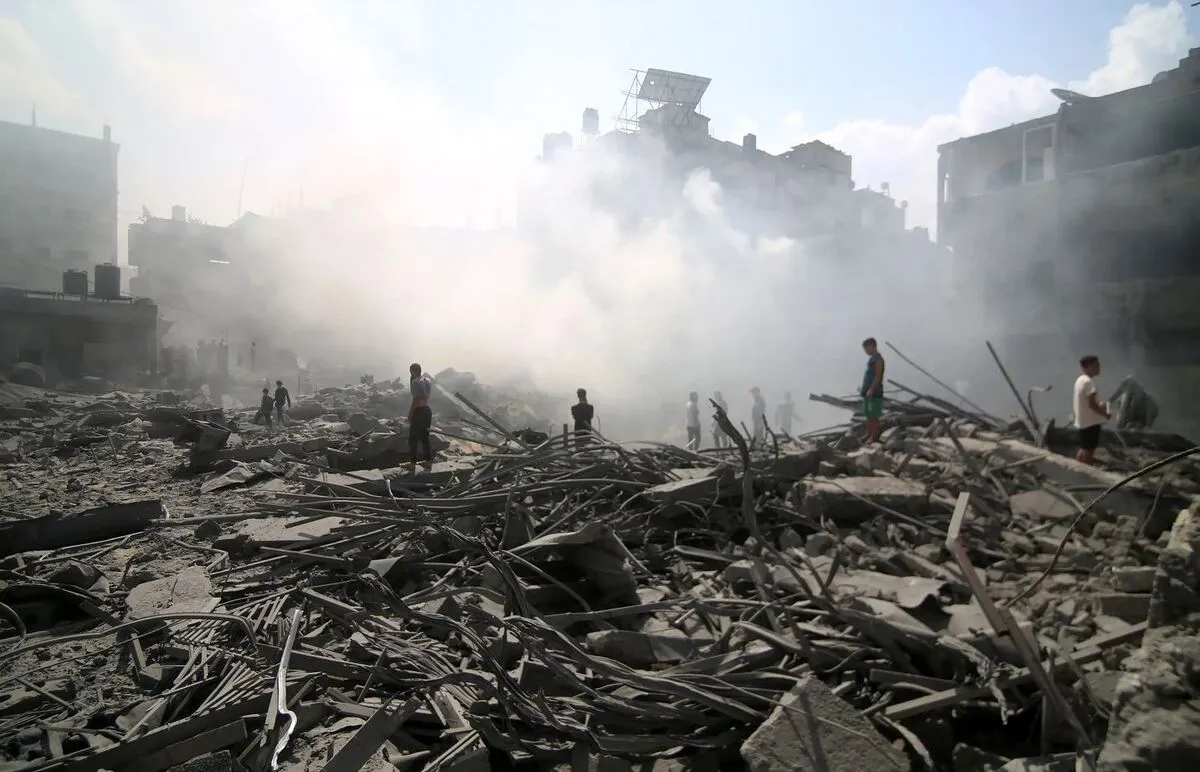
In a new assessment, Israeli media have reported on the enormous financial toll of the war on Gaza and the growing economic challenges it poses to the occupation government.
Rami Aminach, former financial adviser to the IDF Chief of Staff and head of budgets at Israel’s Ministry of Defense, estimated that the total cost of the Gaza war has surpassed one trillion shekels, the heaviest financial burden the ministry has faced since the regime’s establishment.
Speaking to Channel 7, Aminach said the direct military cost of the war has reached 220 billion shekels, including operational expenses, replenishment of munitions, logistical support for deployed forces across multiple fronts, and repairs to damaged military equipment.
He added that this represents only part of the total picture. Indirect costs — such as compensating civilians affected by the war, families of fallen soldiers, rebuilding defense systems, and upgrading future capabilities — are estimated at 350 to 400 billion shekels.
Additional expenses include compensation for settlers who lost property due to military operations and economic damages caused by the suspension of production in southern and northern settlements. These factors, he warned, double the fiscal strain and will place the Israeli cabinet under severe economic pressure in the near future.
“The war has created economic consequences that go beyond financial calculations,” Aminach said. “Falling investor confidence, industrial stagnation, and a record-high budget deficit are all threatening Israel’s financial stability for years to come.”
He added, “We are facing a strategic financial crisis that requires a comprehensive restructuring of the national budget and a reassessment of government spending priorities. Any mismanagement at this stage could result in an economic cost far greater than the war itself.”
His remarks come just weeks after Hebrew economic outlets warned that, amid falling tax revenues and soaring military and social spending, the cost of the war now exceeds the government’s financial capacity to sustain or offset it.