No ceasefire for journalists: Israel’s war on the press continues after Gaza truce
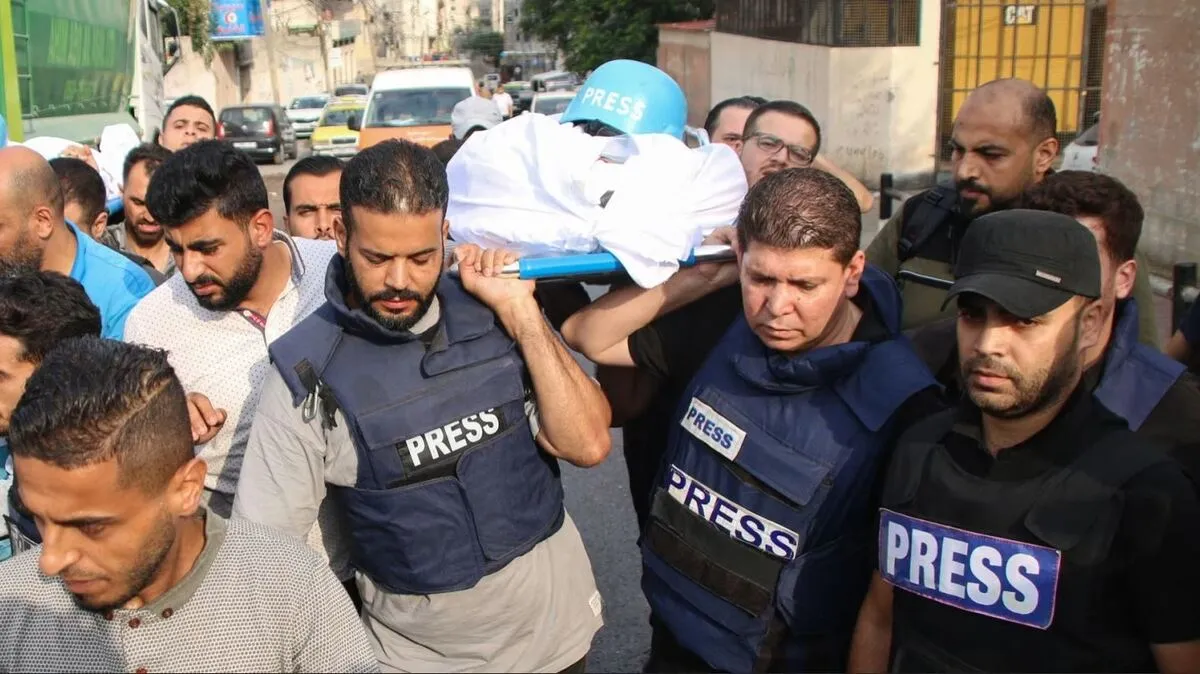
Although the two-year campaign of relentless bombardment and mass killing in Gaza has reached a ceasefire, Israel’s war against journalists extends well beyond Gaza’s borders.
On Saturday, October 11, 2025, Palestinian media outlets reported that Israel had extended the closure of Al Jazeera’s office in Ramallah, in the occupied West Bank, for another six months.
Meanwhile, Morris Tidball-Binz, the U.N. Special Rapporteur on extrajudicial killings, declared that Israel’s deadly strike on journalists in southern Lebanon in 2023 constituted a war crime.
According to Agence France-Presse (AFP), Tidball-Binz stated that Israel’s attack on October 13, 2023 — which killed Reuters journalist Issam Abdallah and injured several others, including two AFP reporters — was a premeditated and targeted assault by Israeli forces, a clear violation of international humanitarian law and a war crime.
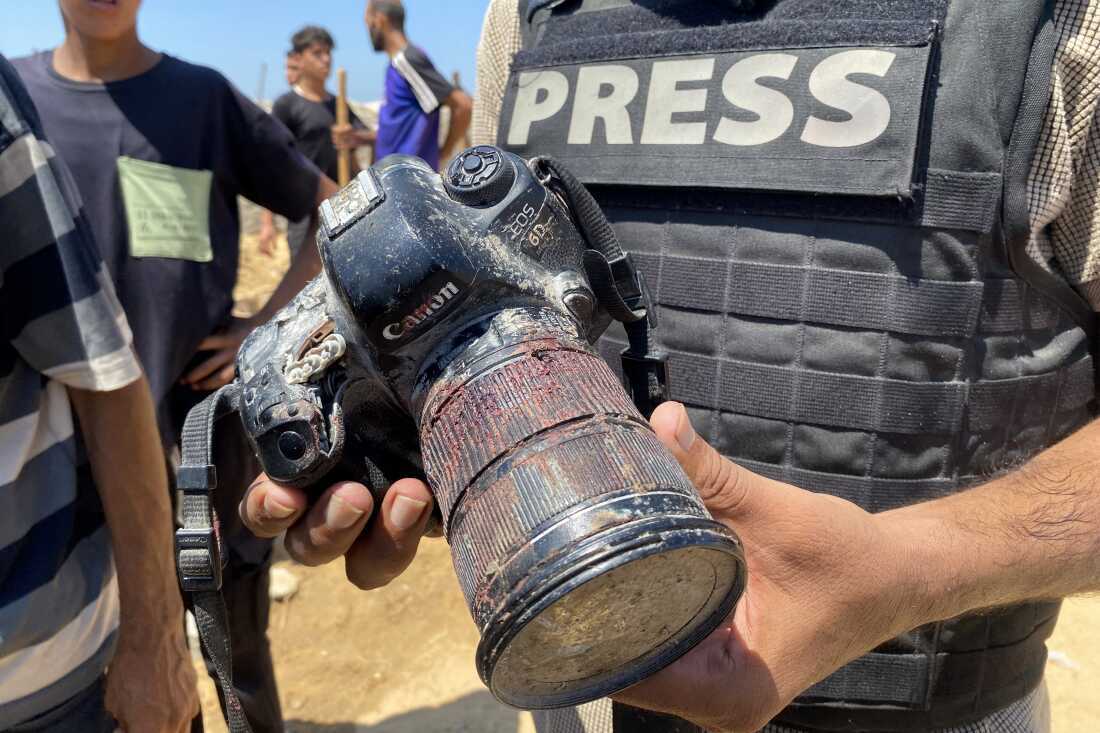
A joint investigation by AFP and the NGO Airwars, which tracks civilian casualties in conflict zones, identified a 120-mm tank shell used exclusively by the Israeli military. U.N. investigators confirmed that no exchange of fire preceded the attack.
Tidball-Binz further reported that three more journalists were killed in Israel’s October 2024 strike on a clearly marked journalists’ residence — markings that could not have been missed by Israeli troops.
Israel’s two-year war on Gaza has turned the enclave into a graveyard for journalists, making 2024 the deadliest year on record for the press.
The Committee to Protect Journalists (CPJ) reported in February 2025 that more journalists were killed in 2024 than in any year since the organization began documenting cases three decades ago.
At least 124 journalists and media workers lost their lives during the Gaza war — surpassing the previous record of 113 journalists killed in 2007 during the U.S. war in Iraq.
CPJ said the 2024 death toll underscores the escalating dangers journalists face in conflict zones, particularly in Gaza, as Israel’s bombardments intensified.
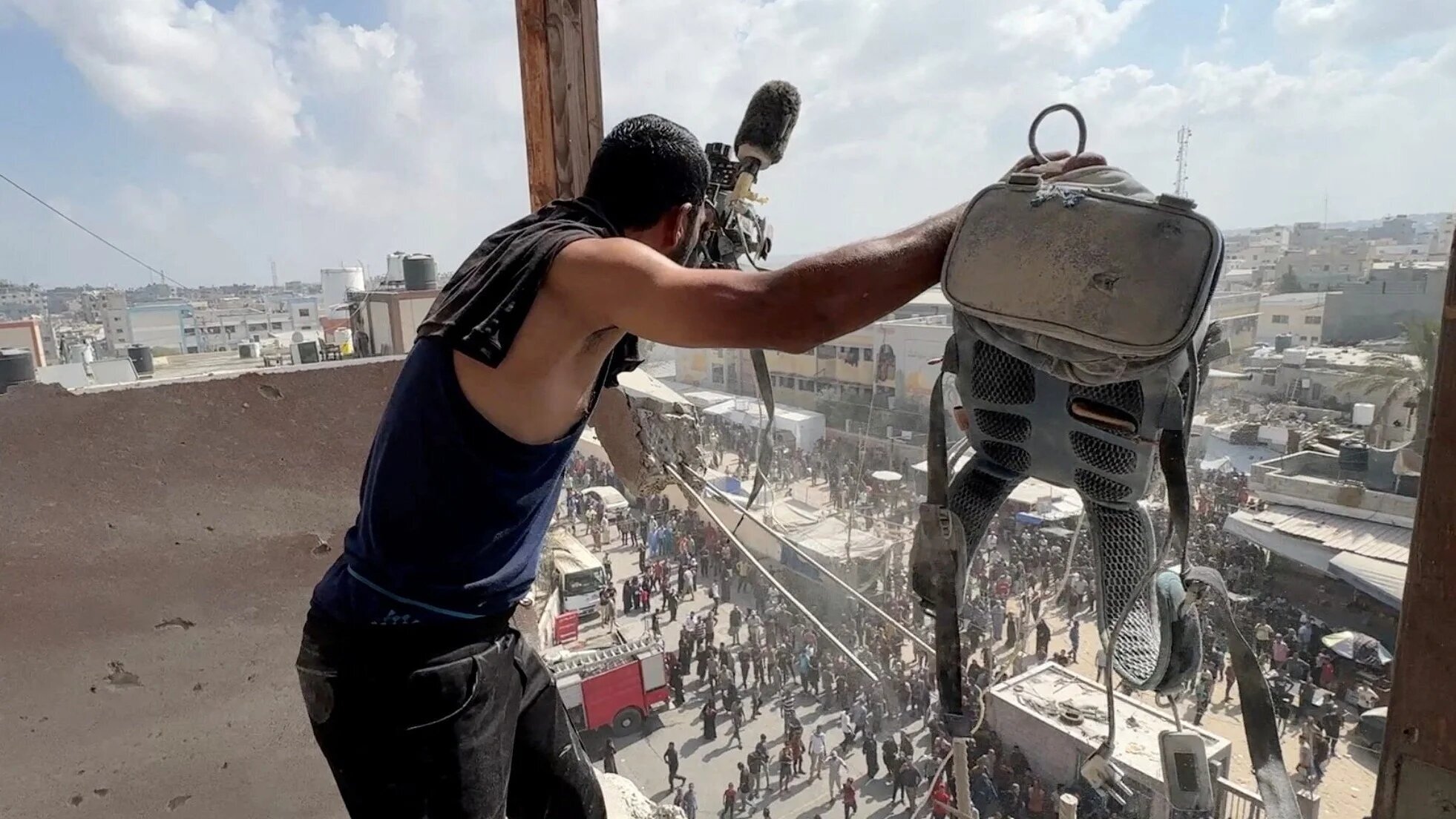
Since the start of Israel’s genocidal campaign against Gaza, Palestinian journalists have paid a heavy price for their work — killed while reporting, in their homes, or even during evacuation. Every newsroom in Gaza has been reduced to rubble.
The destruction of Gaza’s communications infrastructure has severed connections and made reporting nearly impossible. For months, Palestinian journalists have been the only witnesses to the war, documenting atrocities while enduring starvation, siege, and fear.
Reporters Without Borders (RSF) has filed five legal complaints with the International Criminal Court (ICC), urging it to investigate Israel’s war crimes against the media and to issue arrest warrants for those responsible.
Neither World War II, nor the U.S. wars in Vietnam, Afghanistan, or Iraq have been as deadly for journalists as Israel’s war on Gaza. According to Brown University’s Costs of War Project, more journalists have been killed in Gaza than in all major modern wars combined — including American journalists killed since the U.S. Civil War.
The International Federation of Journalists (IFJ) confirmed that at least 246 journalists have been killed across the region, 223 of them in Gaza alone.
Human rights organizations insist these deaths are not random, but part of a deliberate campaign to silence those documenting the crimes.
Irene Khan, the U.N. Special Rapporteur on freedom of expression, described this campaign as an attempt to “kill the truth and its narrators.”
While journalism training often emphasizes the maxim “No story is worth a human life,” Gaza’s journalists have had to defy that rule — because stopping their work would mean silence, erasure of evidence, and impunity for war crimes and genocide.
RSF stated that the ceasefire, following two years of unrelenting Israeli attacks, has done little to ease the immense suffering of journalists in the blockaded territory.
Since October 2023, Israel has killed more than 250 journalists — many of them professionals protected under international law.
In one recent attack on Khan Younis and Gaza City, an Abu Dhabi TV photojournalist was injured while documenting the aftermath of a strike in Gaza’s Sabra neighborhood.
Jonathan Dagher, head of RSF’s Middle East desk, warned: “The calm of the Gaza ceasefire must not distract from the catastrophic conditions journalists still face. If impunity continues, these crimes will be repeated in Gaza, Palestine, and beyond.”
Despite the ceasefire, foreign press access to Gaza remains banned. Since October 2023, Israel has blocked international journalists, censored local coverage, and silenced media critical of the war.
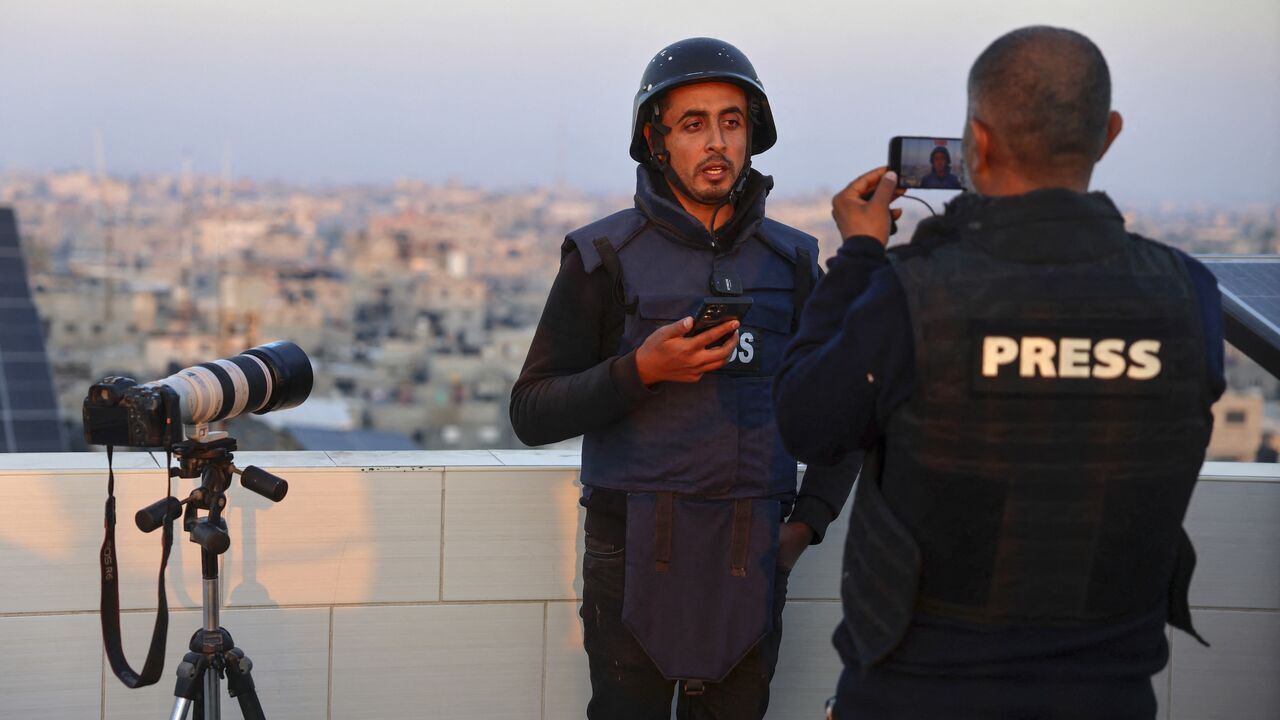
Trump’s so-called peace plan, while allowing limited humanitarian aid into Gaza, makes no mention of press access or the safe evacuation of Palestinian journalists.
The deliberate targeting of journalists has provoked outrage worldwide, yet the situation on the ground remains unchanged.
Families of slain reporters — many killed live on air or shortly after publishing critical reports — continue to mourn in silence, while surviving journalists, despite injury, loss, and grief, persist in their work.
RSF has warned that without urgent international protection, Gaza’s already devastated media landscape could vanish entirely.
As Jonathan Dagher concluded: “This is no longer just about survival — it’s about justice. This is not peace.”