The fall of Zionist power in western culture
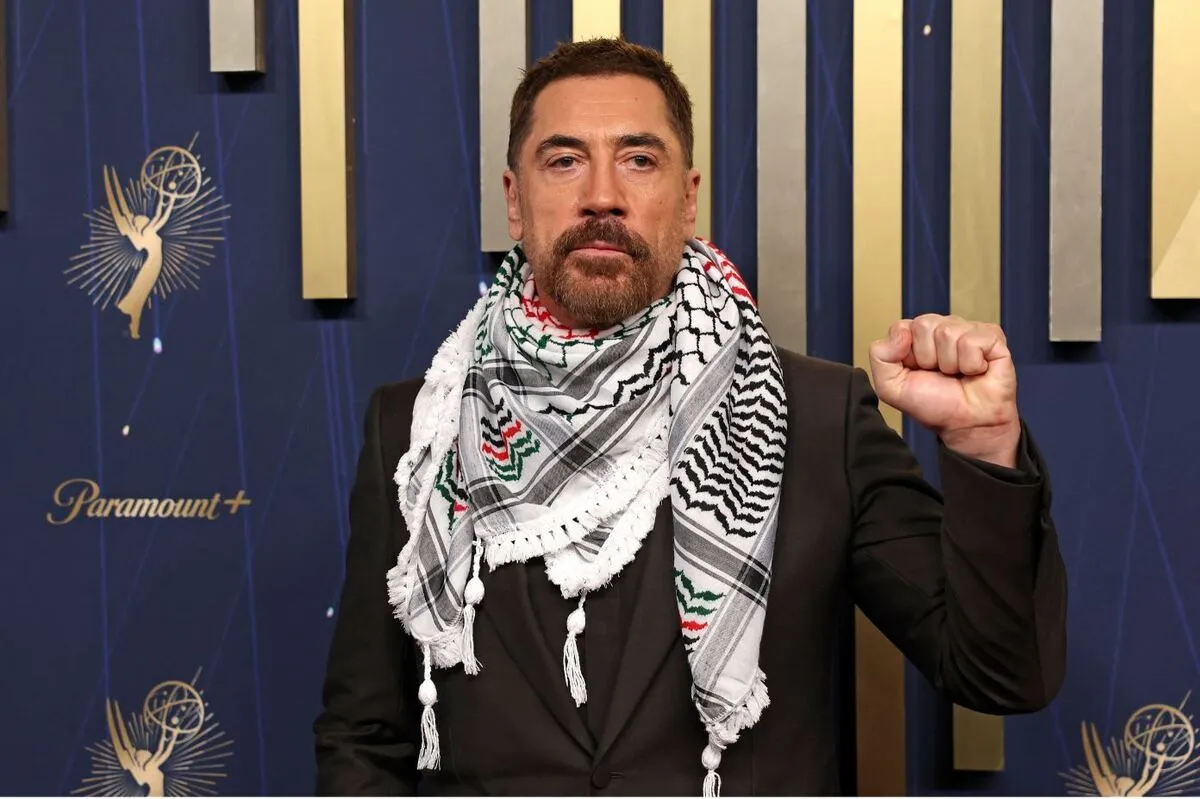
According to Middle East Eye, In Tel Aviv, life went on undisturbed — beaches full, cafés crowded, markets lively. For many Israelis, the devastation in Gaza existed as a distant rumor, something unreal or exaggerated. A generation raised on the myth of a “moral army” dismissed images of starving children as staged propaganda. But while denial persisted at home, the world outside began to awaken.
Across Europe and the United States, the Western conscience — long dulled by decades of one-sided narratives — was being forced to confront itself. Art and culture became the battleground where empathy was tested, truth reclaimed, and language itself reshaped. The question of what it meant to be “moral” in a world so easily anesthetized by ideology began to haunt the stage, the screen, and the gallery.
The weeks after the Hamas attack were marked by fear and censorship. For Arab artists and writers in the West, every sentence became a risk. A single misplaced phrase could end a career. Many were compelled to preface their words with ritual condemnations — to prove moral worth before daring to speak about the suffering of their own people. It was a time when silence was safer than solidarity.
Yet even within this climate of repression, dissent found its voice. Small groups of filmmakers, musicians, and writers began to challenge the imposed narrative. They reminded the world that the story of Palestine did not begin on October 7 — that it was a century-long struggle for dignity, erased and rewritten time and again.
Hollywood and major art institutions initially aligned themselves with Israel. Artists who expressed sympathy for Palestinians were blacklisted or uninvited. Festivals avoided the subject entirely. It was one of the largest censorship waves in modern Western culture, exposing the fragility of its so-called commitment to free expression.
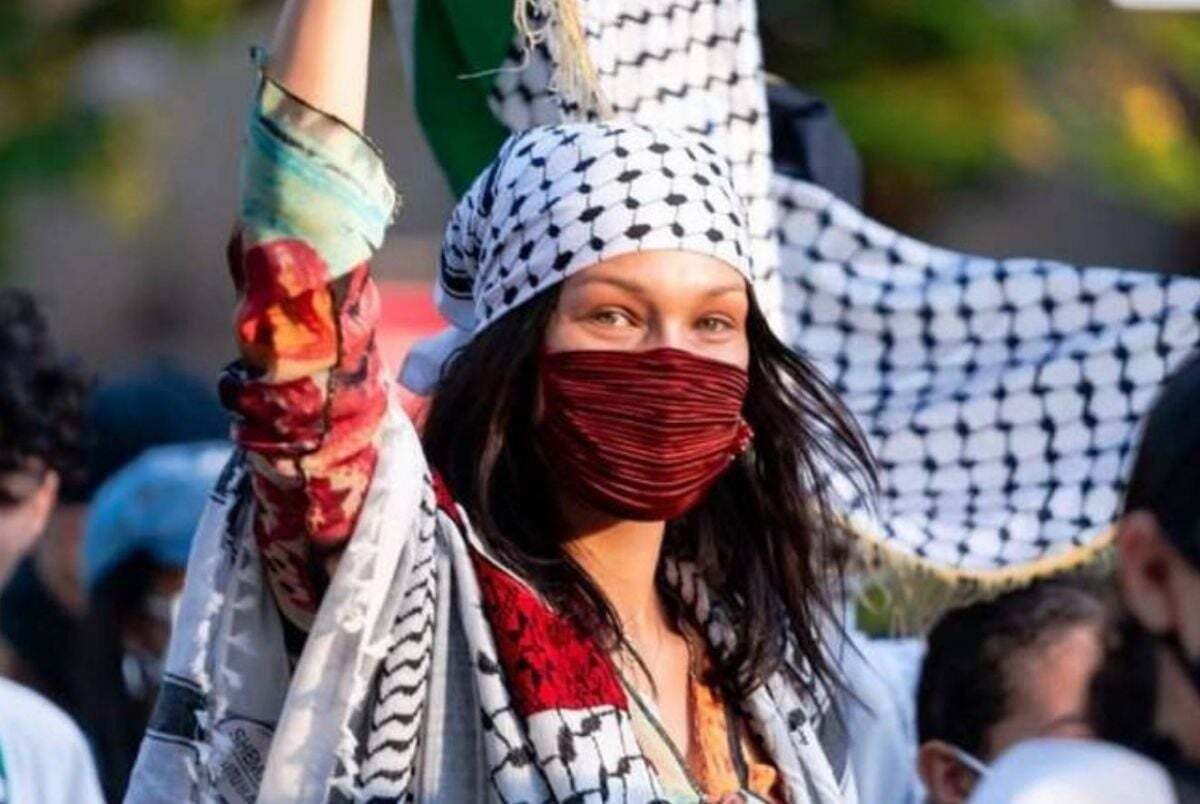
But as the months passed and the civilian death toll soared, public opinion began to shift. What had started as isolated protests grew into mass movements. Millions demanded accountability from governments and media alike. Artists like Mark Ruffalo, Javier Bardem, Susan Sarandon, Bella Hadid, and Dua Lipa broke ranks and voiced support for Gaza, often at great professional cost. Their words helped pierce the wall of silence and made Palestine a moral question no longer confined to politics, but central to human conscience.
By 2025, the tide had turned. Palestinian flags appeared at music festivals across Europe and North America. The watermelon — once a discreet symbol of resistance — became a mainstream emblem of solidarity. Palestinian authors such as Basim Khandaqji, Yasmin Zaher, Mosab Abu Toha, and Lena Khalaf Tuffaha won international awards. In cinema, films like No Other Land became milestones, not only for their success but for the cultural legitimacy they conferred on Palestinian storytelling.
Hollywood itself began to change. Major stars — Brad Pitt, Joaquin Phoenix, Rooney Mara, Alfonso Cuarón — lent their names to projects centering Palestinian voices. What once seemed taboo became a marker of moral courage. The pro-Zionist lobby that had long dominated the entertainment industry began to lose its grip.
Still, the new era brought new questions. If the world was to demand ethical responsibility in politics, could art remain indifferent to the origins of its funding? The exposure of ties between production companies and Israeli military investors sparked intense debate about the complicity of “dirty money” in the global arts ecosystem. From Silicon Valley to European film boards, artists began asking whether true liberation could exist within a system financed by oppression.

Yet this cultural awakening remains incomplete. While the Palestinian narrative is finally visible, its boundaries are still tightly policed. Stories that address armed resistance, corruption, or queer identity within Palestinian society face resistance from funders and audiences alike
Even so, something irreversible has occurred. The story of Palestine has moved from the margins to the center of global art and conscience. The decades-long monopoly over moral language — the idea that one side holds exclusive rights to victimhood — is breaking apart.
This shift is not the result of institutions but of people: the millions who marched, created, and refused silence. Their persistence has forced art to catch up with justice. As the philosopher Simone de Beauvoir once wrote, “A freedom interested only in denying freedom must itself be denied.” The world is beginning to deny that false freedom — the freedom to erase, to dominate, to silence.
The Palestinian narrative no longer seeks pity. It stands as a universal emblem of resistance, a mirror reflecting humanity’s struggle against oppression in all its forms. The indifference that once defined Western culture is giving way to empathy — and empathy, at last, is becoming revolutionary.