Japan poised to have its first female prime minister
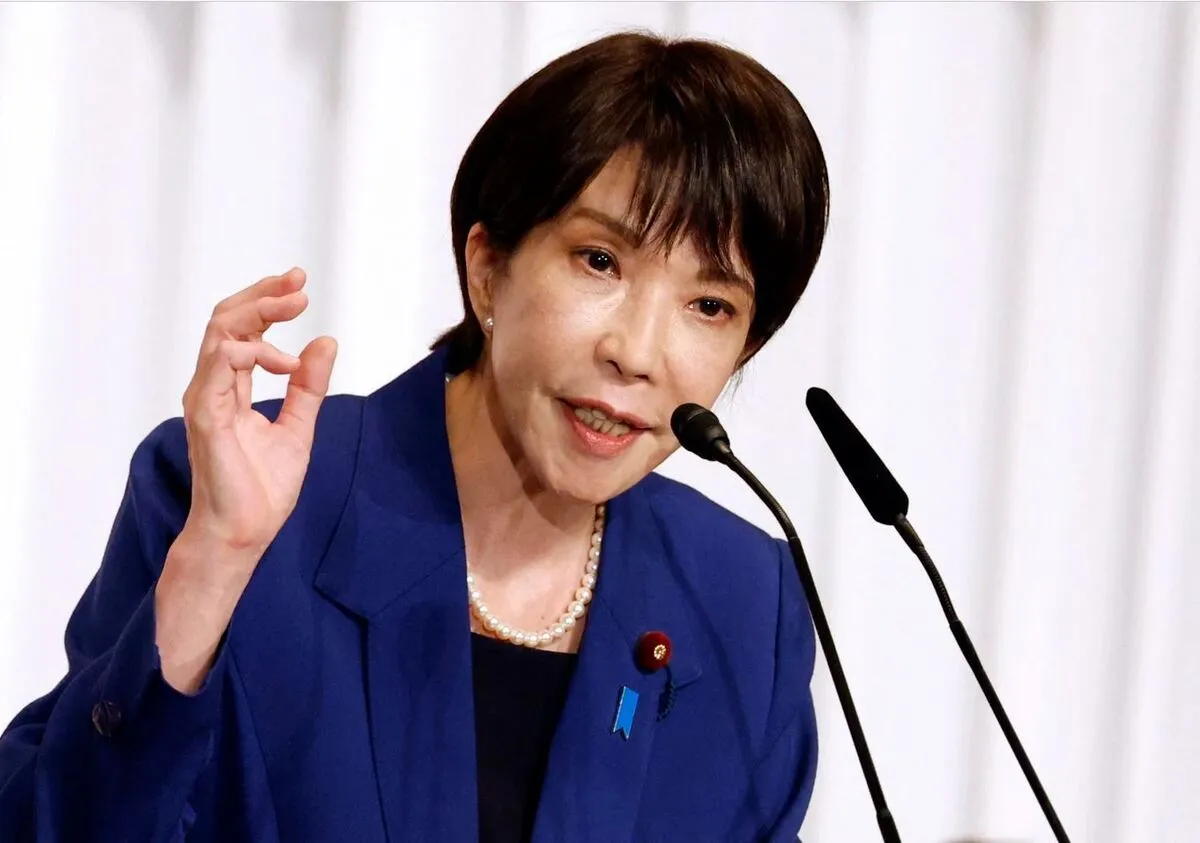
In a close second-round vote, Takaichi secured 185 ballots against Shinjiro Koizumi’s 156, winning the leadership of the conservative Liberal Democratic Party (LDP), which has dominated Japanese politics almost uninterruptedly since the end of World War II.
The leadership contest began last month after Prime Minister Shigeru Ishiba announced his resignation following just one year in office.
Takaichi, 64, is a conservative nationalist who cites former British Prime Minister Margaret Thatcher as one of her role models and was a close ally of the late Shinzo Abe, Japan’s longest-serving prime minister who was assassinated in 2022.
She faces major challenges, including uniting the ruling party, which has been plagued in recent years by scandals and internal divisions. She must also contend with a slowing economy, housing issues, inflation, and stagnant wages.
If confirmed, Takaichi will also need to repair strained U.S.-Japan relations and navigate American tariffs previously negotiated by the prior Japanese government.
The parliamentary vote to elect Japan’s next prime minister is scheduled for mid-October. While the LDP has lost its outright majority in both houses, it will need to negotiate with opposition parties to secure Takaichi’s appointment.
In theory, the opposition—which collectively holds a majority—could unite behind a single candidate and install their own prime minister. However, given the wide spectrum of political views among opposition groups, such an outcome is seen as unlikely.