U.S. on Pause: Trump freezes democratic states and budgets
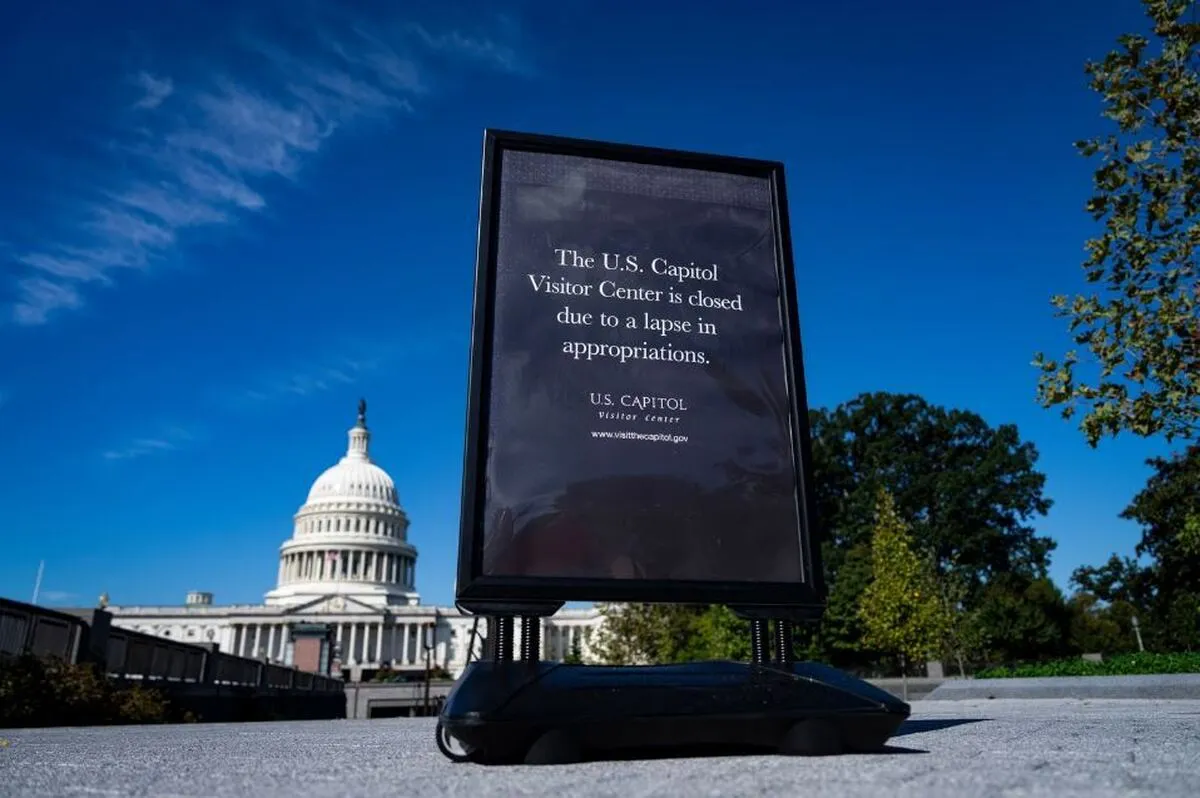
Donald Trump, the President of the United States, in a retaliatory move following the government shutdown, blocked funding for Democratic states.
According to Reuters and The Guardian, the Trump administration has frozen $26 billion in budgets for Democratic-leaning states, implementing his threat to use the shutdown to target Democratic priorities.
Meanwhile, U.S. Vice President J.D. Vance warned that if the shutdown lasts more than a few days, the government may extend the furlough or termination of federal employees.
These actions demonstrate that Trump intends to exploit the government shutdown to punish political opponents and expand his control over the $7 trillion federal budget, which, under the U.S. Constitution, falls under Congress’s authority.
Reports indicate that following the shutdown, approximately 750,000 federal employees were ordered not to work, while some others, such as soldiers and border patrol agents, began working without pay.
The Department of Veterans Affairs also stated that while burials would take place in national cemeteries, headstones would not be installed, nor would the lawns be maintained.
Vance stated during a White House briefing that if the shutdown lasts more than a few days, the government will be forced to fire employees, adding to the 300,000 already scheduled for dismissal by December.
Previous shutdowns, however, did not result in permanent layoffs. Meanwhile, the dispute between U.S. Republican and Democratic politicians has intensified.
Both sides are seeking to blame the other and gain leverage ahead of the 2026 midterm elections, which will determine control of Congress.
Hakeem Jeffries, senior Democrat in the House of Representatives, said that halting funding for metro and port projects in New York will leave thousands unemployed.
Chuck Schumer, senior Democrat in the Senate, also stated that Trump is targeting ordinary Americans for partisan purposes.
The senior Democrat added: “Trump uses the American people as pawns and threatens the country with extortion.”
Republican Senator Thom Tillis said he is concerned that blocking infrastructure funding in New York will make it harder for Congress to end the shutdown.
Senate Republican Leader John Thune dismissed concerns that blocking budgets amounts to hostage-taking, saying at a press conference: “Well, vote to reopen the government, and the problem is solved, right? I mean, it’s really that simple.”
Economic impacts
Meanwhile, analysts warn that the U.S. government shutdown could pose serious challenges to the country’s economy and financial markets.
According to Reuters, if the shutdown continues for at least several weeks, the Federal Reserve may struggle to set monetary policy, as it will lack government data that guides its decisions. Furthermore, the longer the shutdown lasts, the more negative its impact on economic growth will be.
Eric Kubi, Chief Investment Officer at North Star Investment Management, warned: “The slowdown in the U.S. economy will be exacerbated by the lack of government spending, and the longer the shutdown continues, the harder it will be to overcome these challenges.”
“What worries me is the cumulative and compounding effect of all these events—the U.S. credit rating downgrade, changes in trade policies, and now the government shutdown,” said Brian Shipley, Chief Investment Officer at Coldstream Wealth Management.
Shipley added: “If the shutdown extends beyond the typical two- to four-week period, the question arises: how will global investors perceive the U.S.?”