Crisis at the Élysée: Can macron still hold France together?
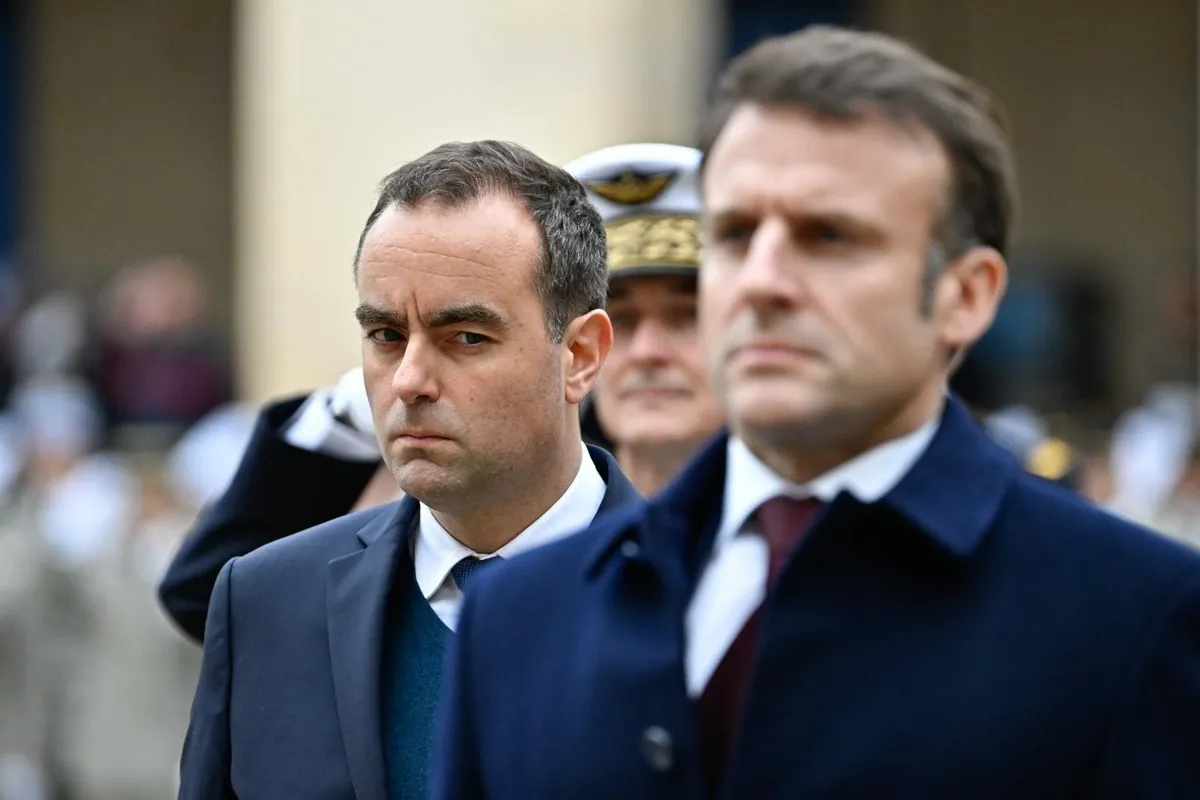
With Sébastien Lecornu now at the helm, France faces a major trial: guiding the country through political chaos, nationwide protests, and rising debt. Will he be the one to keep the French government standing and steer the country toward stability, or will the crisis deepen further?
At this stage, following yet another government collapse, France finds itself in political turmoil. President Emmanuel Macron has just appointed his fifth prime minister in two years. But it remains unclear whether this one can manage the multiple political and economic crises. Amid nationwide protests and shutdowns, calls for Macron’s resignation are growing.
Macron’s options are running out. Marine Le Pen, whose far-right National Rally party has surged in popularity and appears ready to seize power, is waiting in the wings. Speaking at a recent rally in Bordeaux, Le Pen renewed her demands for fresh national elections.
According to the Financial Times, Lecornu has begun taking some steps in his first days in office, but charting a path through France’s fractured political landscape will be a major challenge for Macron’s latest appointee.
His first task: forming a government that can last until the end of the year and push the 2026 budget through a deeply divided parliament. To survive, he must calm both center-left Socialists and center-right Republicans, who hold almost opposite views on key issues such as wealth taxation.
The new prime minister has already scrapped François Bayrou’s unpopular proposal to cut public holidays—an early admission that the former PM’s €44 billion austerity package is off the table.
Lecornu, a former conservative who joined Macron’s movement in 2017, told reporters that the upcoming budget will likely not fully reflect his personal convictions. He also pledged to put the past aside and foster better dialogue with opponents, deliberately consulting key rivals such as Socialist leader Olivier Faure.
Still, it will be difficult to find enough incentives to win them over. Conservatives remain firmly opposed to a new wealth tax, one of the core proposals. Meanwhile, trade unions are preparing strikes against spending cuts across France—set to hit sectors from schools to trains and airlines—further fueling public discontent.