The death of Charlie Kirk: A nation trapped in a cycle of armed political conflict
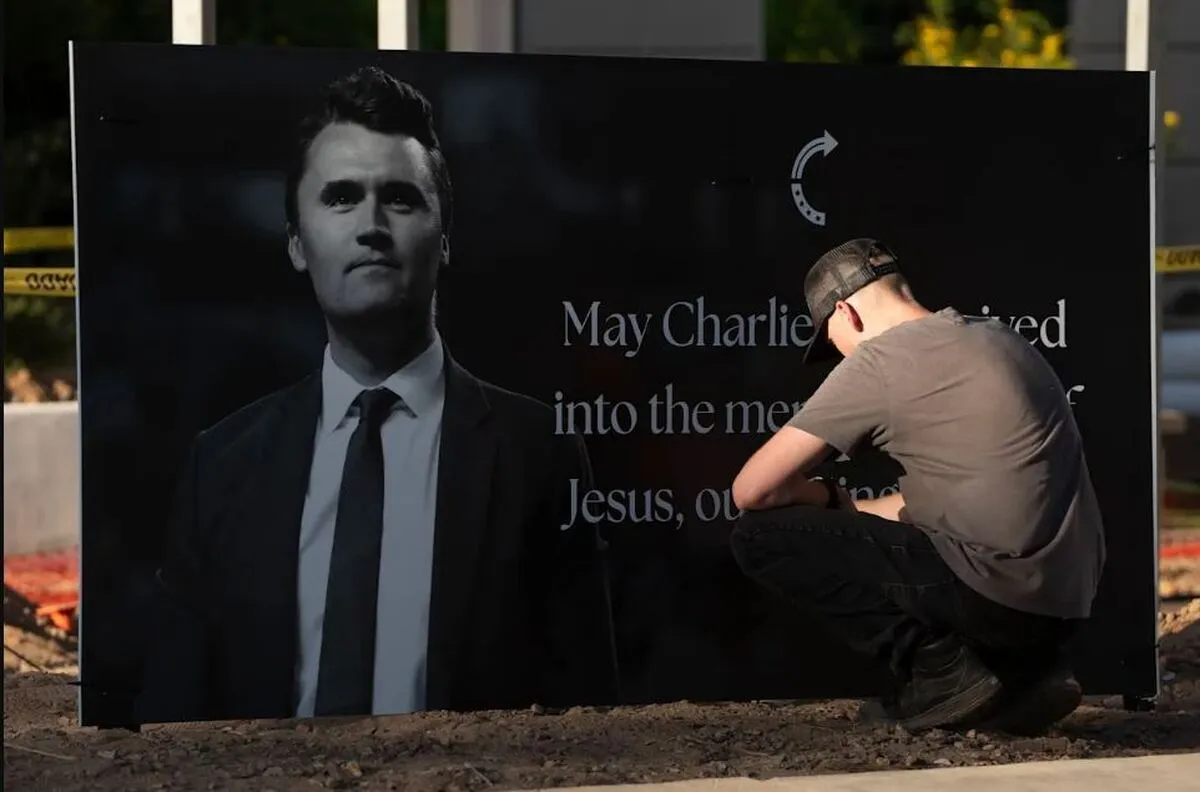
The killing of Charlie Kirk, a prominent conservative activist, marks a turning point in the wave of political violence in the U.S., a country already facing deeply interwoven crises.
This is now the second consecutive summer in America defined by political violence.
The assassination of Kirk
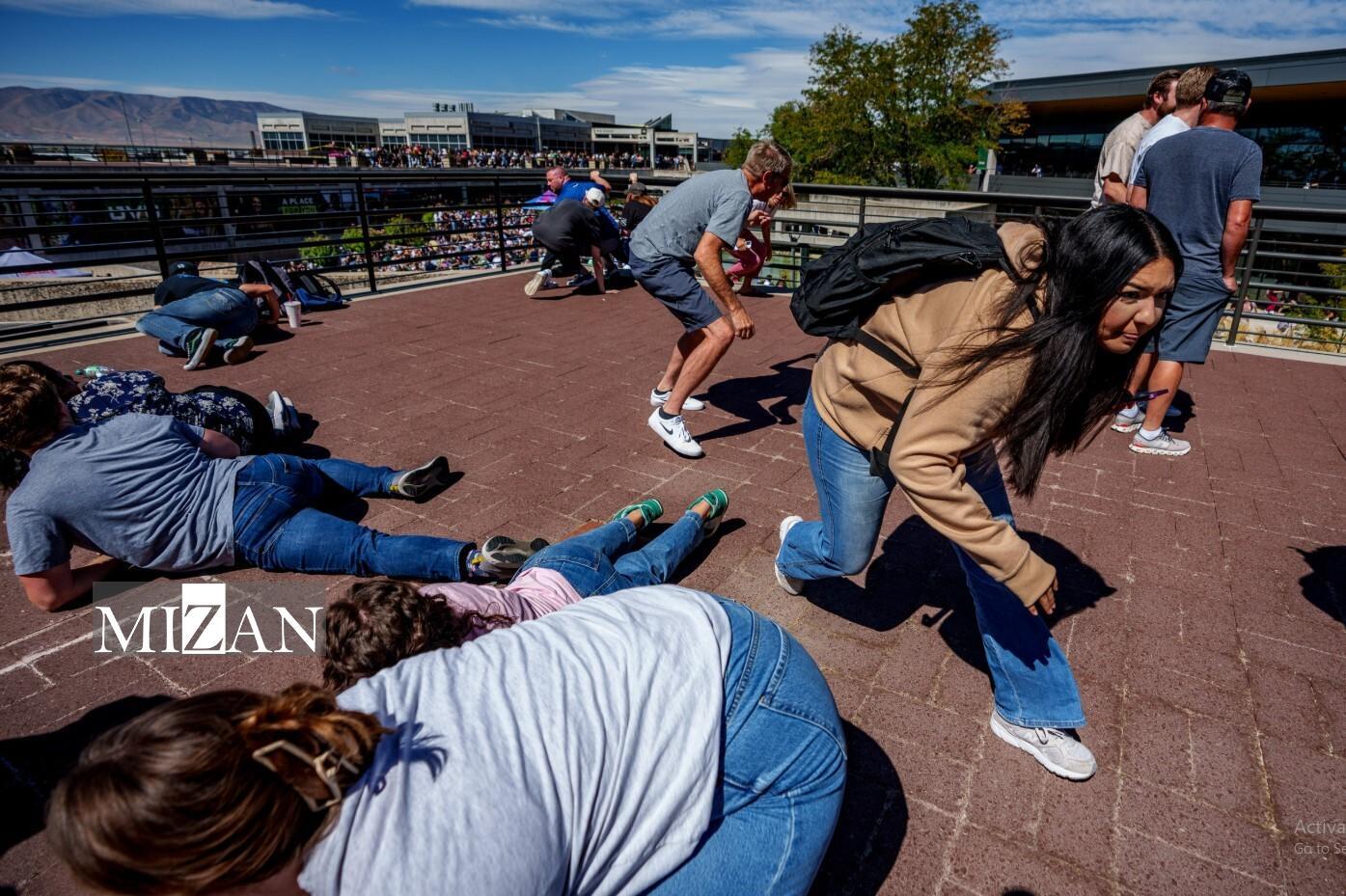
Charlie Kirk, a close ally of U.S. President Donald Trump and founder of the conservative student group Turning Point USA, was delivering a speech before a crowd of about 3,000 people at Utah State University on Wednesday, September 10, 2025, when gunfire rang out. He collapsed from his chair as terrified participants fled the scene.
The president confirmed Kirk’s death in a social media post.
House Speaker Mike Johnson, a Republican, said in response that the killing had prompted a wave of lawmakers to demand greater security.
As of Wednesday evening—nearly six hours after the shooting—U.S. authorities had not publicly identified a suspect. FBI Director Kash Patel stated that one suspect had been detained for questioning but was later released.
Kirk, 31, was a pioneer of the conservative movement, using social media to attract millions of young Americans to Trump’s MAGA base. He was also well-known for his provocative, often racist and xenophobic remarks, particularly on college campuses.
A flashpoint in U.S. political violence
According to Reuters, American experts worry that Kirk’s assassination may intensify political violence in an already divided country and spark further unrest.
Michael Jensen, a researcher at the University of Maryland who has tracked such violence in a terrorism database since 1970, called the event “horrifying but not necessarily surprising.”
He noted that in the first half of this year, the U.S. recorded around 150 politically motivated attacks—almost double the number during the same period last year. “We are at a very, very dangerous point,” he warned, “and if we don’t contain it, it could easily escalate into broader unrest. This could serve as a flashpoint that inspires further violence.”
Domestic terrorism experts cite multiple drivers of escalating violence, including economic insecurity, anxieties over racial and ethnic demographic shifts, and the increasingly inflammatory tone of political discourse.
Traditional ideological divides, once focused on policy disputes, have morphed into deeper, more personal animosities. Anger is further fueled by social media, conspiracy theories, and personal grievances.
Reuters reported that between the January 6, 2021 Capitol attack and the 2024 presidential election, at least 300 incidents of political violence were documented—the most significant and sustained increase since the 1970s.
John Lewis, a researcher at George Washington University’s Program on Extremism, said: “Extreme political violence is increasingly normalized in our country, and the shooting of Charlie Kirk reflects a much larger and more pervasive issue: violent acts, even without clear ideology or motive, are becoming more common.”
Liliana Mason, a political scientist at Johns Hopkins University, added: “People may not want to start violence, but they’re more willing to use it for revenge. Nobody wants to be the one who begins it, but many want to be the ones to finish it.”
America’s vicious cycle of violence
Since returning to the Oval Office, Trump has scaled back federal efforts to combat domestic extremism, redirecting resources toward immigration enforcement and citing the southern border as the primary security threat.
At least 21 people have been killed in politically motivated violence in the U.S. since January 2025.
Last year, Trump himself survived two assassination attempts. In one case, the gunman was killed seconds after opening fire; in another, a man carrying a rifle and scope was arrested near a golf club where Trump was playing. His trial began this week.
Other high-profile incidents this year included:
- A nationalist killing a senior Democratic state legislator and his wife in Minnesota in June, injuring another Democrat.
- A conspiracy theorist opening fire at CDC headquarters in Atlanta in August, killing a police officer.
Michael Jensen warned that the outlook is grim: “Agree with it or not, this administration has made profound changes in eight months. The conflict between its supporters and opponents has created a vicious cycle of political violence driving us toward a dark place.”
Condemnation becomes routine
According to Politico, violent attacks on political figures followed by waves of condemnation, soul-searching, and pledges to prevent recurrence are becoming a grim American tradition.
Wednesday was no exception. Charlie Kirk is dead. Politicians across the spectrum condemned the shooting. Once again, the U.S. is grappling with the eruption of gun violence and toxic politics.
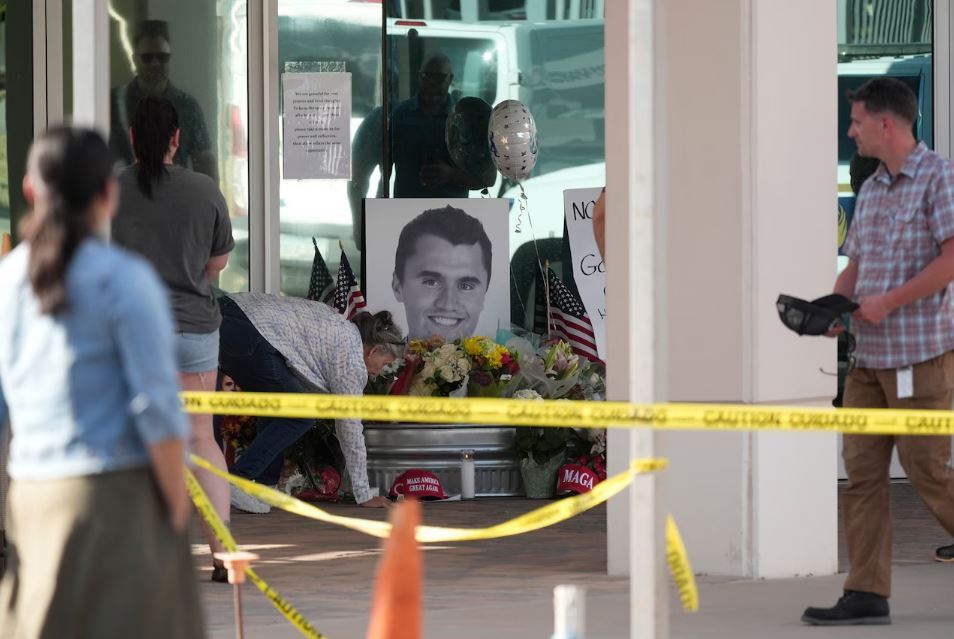
Real threats and attacks have become background noise in Washington, symptoms of an era marked by tribalism and growing distrust of government institutions. Lawmakers increasingly describe these threats as a “new and darker norm.” Even so, Kirk’s killing shocked Congress with its sheer audacity.
The death of Charlie Kirk underscores that political violence has now become a defining feature of American life.
A country on the brink
The assassination comes amid a surge of politically motivated violence over the past year. Polls show growing acceptance of political violence across party lines.
Robert Pape, who directs the Chicago Project on Security and Threats, wrote in The New York Times that his team’s May survey was “the most alarming yet.”
He reported that 40% of Democrats supported using force to remove Trump from office, while 25% of Republicans supported using the military to suppress protests against Trump’s agenda. Both figures have more than doubled since last fall.
“We’re becoming more and more like a powder keg,” Pape said. “The current moment is the age of violent populism.”
According to The New York Times, political violence in America is worsening, and the assassination of Charlie Kirk is part of this disturbing wave.
The report noted that while the First Amendment ostensibly protects free expression and peaceful dissent, recent surveys show otherwise. A poll by the Foundation for Individual Rights and Expression released the day before Kirk’s assassination found that 34% of college students now support using violence in some situations to stop campus speeches—up from 24% in 2021. Polls of older Americans show similarly troubling results.
As political debates grow more heated, risks rise accordingly. It is clear the U.S. has lost its ability to resolve disagreements peacefully, increasingly resorting to violence—an ominous scenario with a dangerous endgame.