Details of the 1404 standardized pardon announced
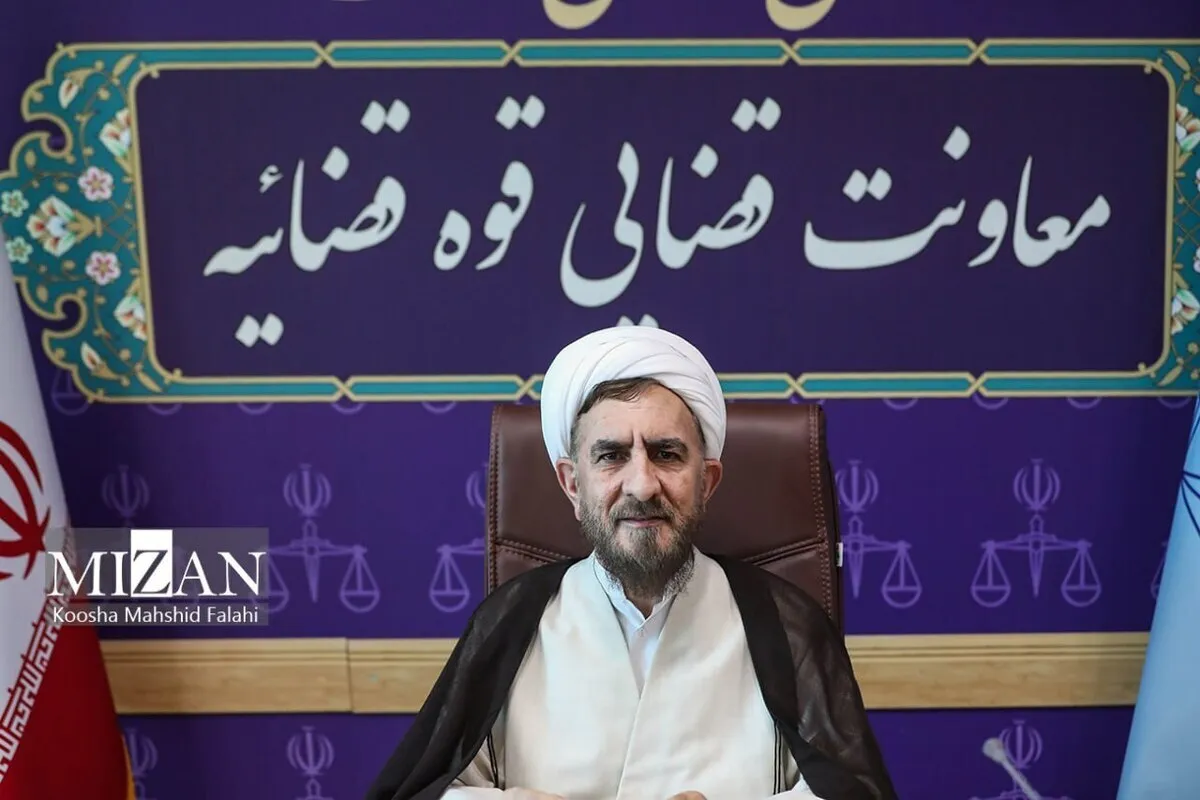
With his approval, a large number of convicts from public and revolutionary courts, the Judiciary Organization of the Armed Forces, the Organization for Penal Affairs, and a number of security-related convicts—who were usually not included in previous pardons—will be eligible for pardon under two conditions.
Mozafari, Judicial Deputy of the Judiciary, referring to the details of the pardons approved by the Supreme Leader for imprisoned convicts on the occasion of the Prophet’s and Imam Ja’far al-Sadiq’s birth, stated: “In this period, a standardized pardon has been proposed and considered, which covers a large number of convicts and offenders.”
He explained that in previous periods, for case-specific pardons, the names of convicts were submitted in a list from the Judiciary’s Pardon and Clemency Commission to the Head of the Judiciary, who then presented the list to the Supreme Leader. After his approval, the final list of pardoned individuals would be implemented.
This time, instead of preparing a list of individuals, criteria for the pardon were drafted by order of Mohseni Ejei. The Head of the Judiciary instructed a committee of senior officials to prepare standards for granting pardons on the occasion of the Prophet’s and Imam Ja’far al-Sadiq’s birth.
Mozafari added that based on these criteria, no individual list was prepared; instead, a list of the criteria was submitted to the Supreme Leader. With his approval, those meeting the announced criteria can receive either a reduction in sentence or a full pardon.
He explained that eligible convicts include those from public and revolutionary courts, the Armed Forces Judicial Organization, and the Organization for Penal Affairs, whose records and circumstances match the established criteria.
One of the criteria is the age of ordinary convicts, meaning older individuals may benefit from the pardon. Another criterion is serving part of their sentence—whether imprisonment, fines, lashes, or other punishments—so that the pardon applies to the remaining portion of their sentence.
Mozafari emphasized that heads of all provincial judiciary offices and officials of judicial units must promptly form special committees to review all ongoing cases thoroughly and identify those eligible for this Islamic clemency, noting that the number of convicts eligible for standardized pardons is larger than for case-specific pardons.
He further explained that in cases of ambiguity regarding a convict’s eligibility, officials must immediately submit the matter in writing to the Judiciary’s Deputy Office, where a special committee will review the case and provide a written response.
Regarding security convicts, who are usually excluded from pardons, two conditions apply: five years must have passed since their conviction, and they must have demonstrated no actions against national security, particularly showing a positive stance in support of the Iranian nation and the Islamic Republic during the recent 12-day conflict.
Exceptions to this pardon include armed theft or theft with aggravating circumstances, serious drug offenses, acid attacks, the purchase, sale, or trafficking of firearms or military weapons, crimes against internal or external security, and espionage or collaboration with hostile states, especially the Zionist regime, particularly during and after the recent 12-day conflict.