Silicon Valley complicity: Google’s ties to Israeli genocide campaign uncovered
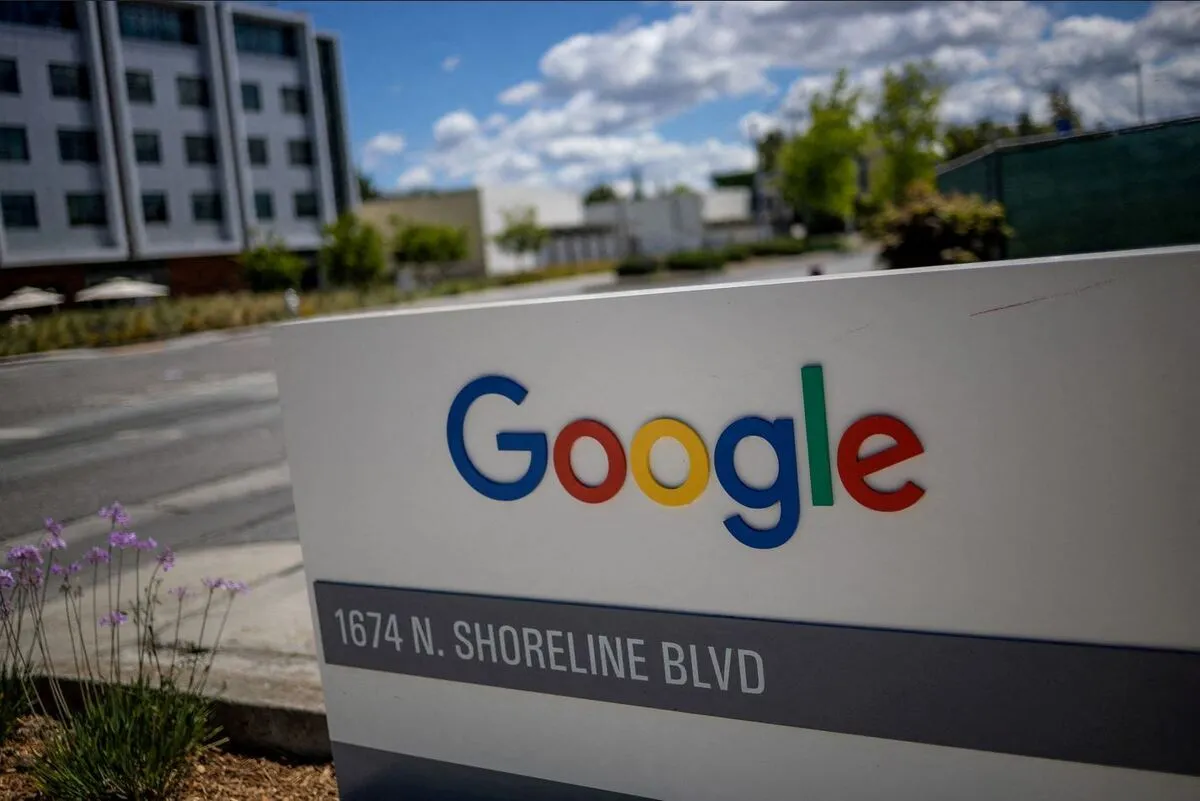
The contract, first reported by Drop Site News, includes advertisements placed on YouTube and through Google’s Display & Video 360 platform, explicitly described in documents as part of Israel’s propaganda war.
Signed in June 2025, the contract with Google—covering YouTube and Display & Video 360, the company’s digital ad service—authorised an extensive propaganda campaign labelled explicitly as hasbara, a Hebrew term denoting state-backed propaganda, often deployed to whitewash Israeli military actions.
The campaign was launched as international condemnation grew over Israel’s decision to cut off all food, fuel and humanitarian supplies to Gaza on 2 March, triggering what UN agencies describe as a man-made famine.
One of the most widely viewed outputs of the campaign was a YouTube video by Israel’s foreign ministry, falsely claiming, “There is food in Gaza. Any other claim is a lie.” The ad was viewed over 6 million times, heavily boosted through paid promotion under the Israeli cabinet contract.
According to internal Israeli records, the initiative was coordinated through the Israeli Government Advertising Agency (Lapam), a department reporting directly to Prime Minister Benjamin Netanyahu’s office.
As part of the broader campaign, Israel also spent:
- $3 million on advertising with X (formerly Twitter)
- $2.1 million with French-Israeli platform Outbrain/Teads
- An undisclosed amount promoting Israeli-aligned content across Meta’s platforms
Other ads published under the contract targeted international institutions and NGOs. Several attempted to delegitimise United Nations Relief and Works Agency, accusing the UN’s Palestinian refugee agency of “deliberate sabotage” of aid delivery.
Others aimed to smear pro-Palestine legal advocacy groups such as the Hind Rajab Foundation, portraying them as linked to “extremist ideologies”—an allegation unsupported by credible evidence.
Despite this, Google continued to run Israeli ads denying the existence of hunger. In a March 2025 hearing in the Knesset, senior Israeli officials were pressed not on humanitarian grounds, but on their preparedness to manage the PR fallout. “We could also decide to launch a digital campaign… to explain that there is no hunger,” Avichai Edrei, a spokesperson for the Israel War Forces is reported saying.
Google is already under scrutiny for its role in Project Nimbus, a cloud computing partnership with Amazon providing infrastructure to the Israeli cabinet, including the military. Critics say the firm’s deepening entanglement with Israel’s war apparatus underscores the complicity of Silicon Valley in sustaining and legitimising state violence.