Lebanese army commander threatens to resign
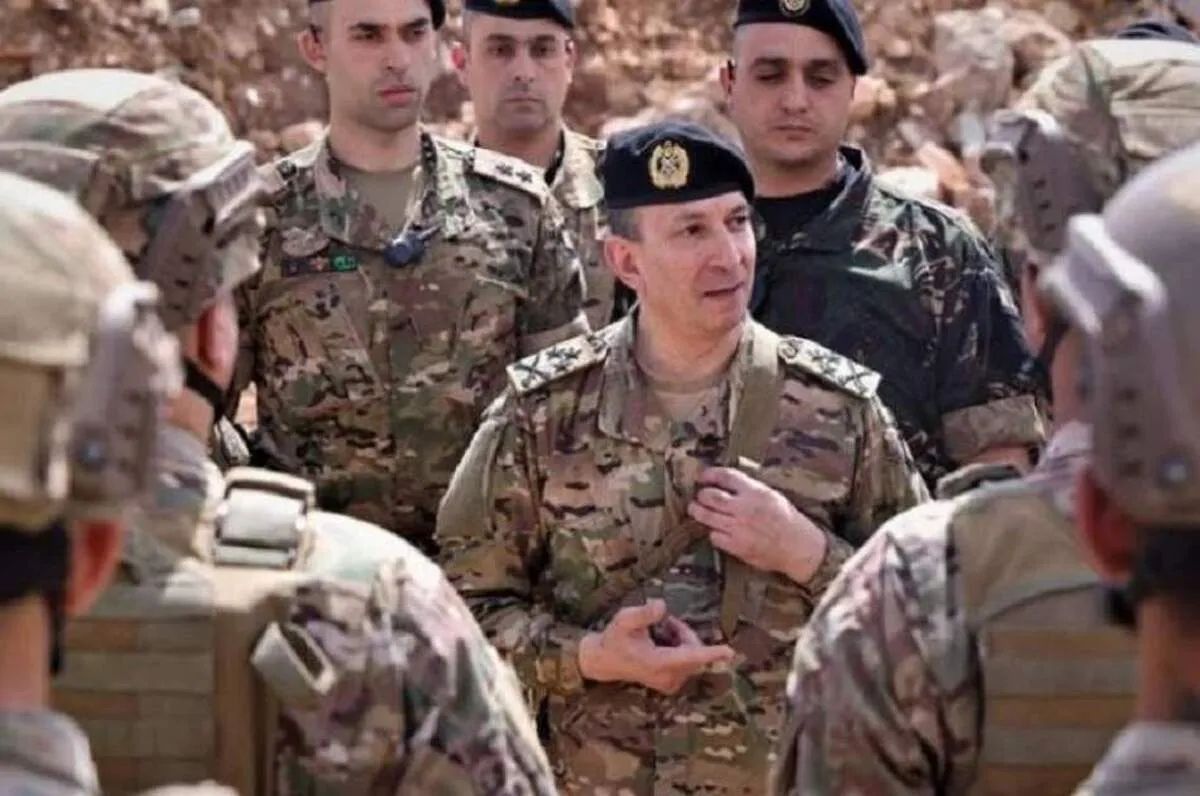
According to a report by Al-Akhbar, while U.S. and Saudi pressure continues for the disarmament of the Resistance regardless of its consequences, informed sources said that General Heikal was alarmed by the statements of the American delegation visiting Beirut and the implications of their demands.
The report noted that Heikal has informed Lebanese officials that if any party insists that the army should be used to spill Lebanese blood, he would prefer to step down from his position as army commander.
Al-Akhbar added that, based on information obtained by agencies following this issue, the Lebanese Army’s leadership—including the General Staff, Intelligence, National Security, and regional and brigade commanders—have expressed opposition to drafting an operational plan or timetable for disarming the Resistance.
According to the report, President Joseph Aoun has been made aware of the situation and has learned that the Cabinet, in its upcoming Tuesday session, intends to announce that unless Israel and Syria—two of the parties involved in this plan—publicly declare their approval, Lebanon will not take any further steps on the matter. As such, the decision to disarm the Resistance will be suspended.
The newspaper also reported that Prime Minister Nawaf Salam is more insistent than other Lebanese officials on implementing U.S. dictates, and is even prepared to proceed with the plan despite the risk of internal conflict.
According to informed sources, the Americans—having realized that the Lebanese Army lacks the capacity to implement the disarmament plan—proposed providing the army with intelligence on Hezbollah’s bases in each area. Some members of the U.S. delegation even suggested that Israel share intelligence with the Lebanese Army and that Israeli drones coordinate in identifying targets to be struck by the Lebanese Army.
The report concluded that the U.S. believes the disarmament of the Resistance should be carried out gradually, starting with the separation of Shiite areas from other regions.