Forced prison labor in Canada: Modern slavery hidden in plain sight
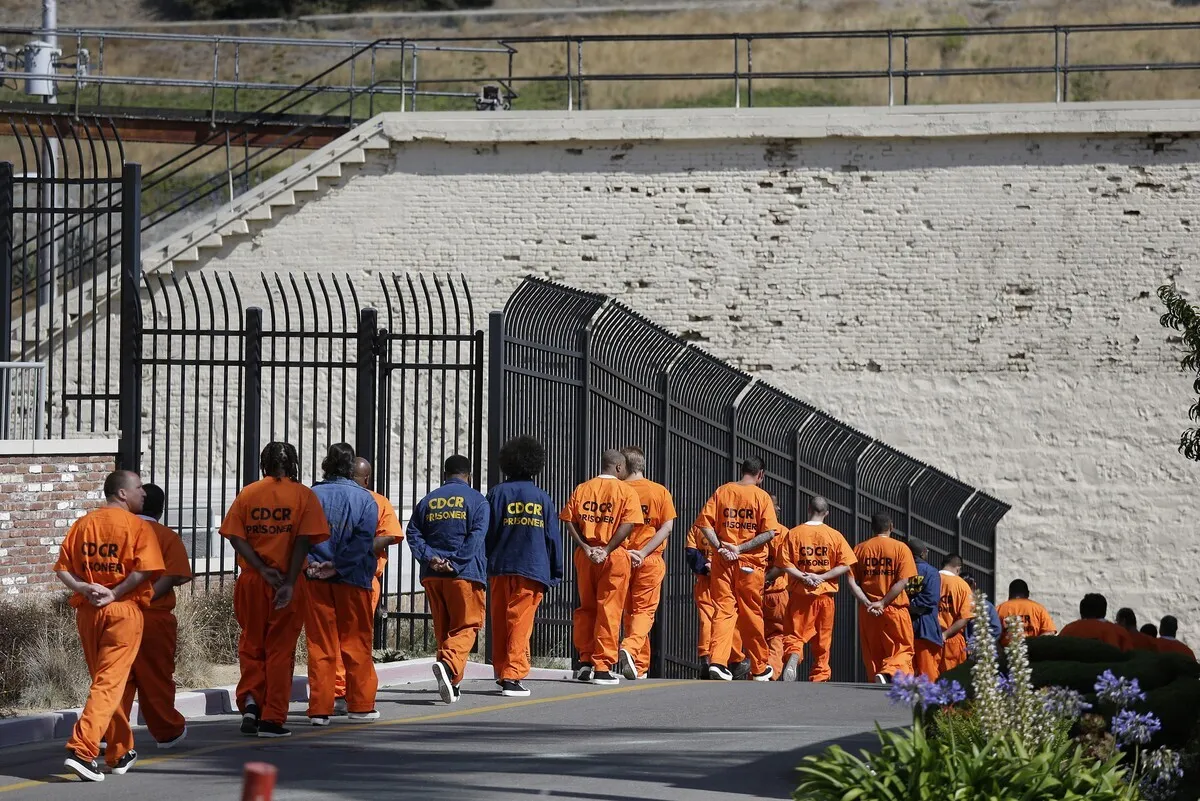
While Canada seeks to present itself as a global pioneer in human rights, numerous reports about poor prison conditions in the country have stripped Ottawa of this façade.
Forced labor in Canadian prisons has turned them into a lucrative industry built on the exploitation of inmates, many of whom are disproportionately from vulnerable Indigenous communities.
Low-paid or unpaid prison labor is widespread in many Western countries that claim to champion human rights. A recent Associated Press investigation linked global prison labor to the supply chains of hundreds of major food brands, including Frosted Flakes cereal and Coca-Cola.
Hidden workforce in Canada’s prisons
According to Broadview, across Canada a vast hidden labor force spends its days on tasks ranging from extinguishing wildfires to repairing military vehicles. These prisoners are paid far less than in previous decades, are punished if they refuse to work, and are not allowed to decline dangerous jobs.
This hidden workforce—the inmates of Canadian prisons—is part of the global phenomenon of prison labor that even extends into producing consumer goods found in households worldwide.
Canada exploits this hidden prison workforce while, in a display of human rights posturing, banning the import of products made by prison labor in other countries. Currently, Canadian prison labor plays an important role in refurbishing military vehicles for the Canadian Department of National Defence (DND).
This situation unfolds as Indigenous peoples, among the country’s most vulnerable populations, are disproportionately represented in Canada’s prisons.
As of 2018, Indigenous prisoners made up 28% of the total federal prison population, while Indigenous people constitute only 4.3% of Canada’s overall population. By 2022/2023, Indigenous adults accounted for 33% of the federal prison population, with Indigenous women making up 49% of female inmates and Indigenous men 32% of male inmates.
Forced prison labor as modern slavery
Critics argue that Canada’s prison labor system is deeply flawed and in many ways fits the definition of modern slavery—a term describing situations where individuals cannot escape exploitation due to threats, violence, coercion, or abuse of power, such as forced labor.
There are two main types of prison labor in Canada. The first, and most common, involves maintaining the daily operations of prisons. Jordan House, a professor at Brock University in Ontario, explains that this work essentially subsidizes the operating costs of prisons.
The second, more commercial aspect of prison labor, is overseen by CORCAN, an agency under Correctional Service Canada (CSC), which runs conditional employment programs in federal prisons. These programs produce goods and services sold to and used by government departments and agencies.
CORCAN is the country’s largest prison industry operator, running 103 workshops across 36 of Canada’s 53 federal prisons. Its business lines include textiles, manufacturing, construction, services, agriculture, and some Indigenous crafts.
Most of Canada’s 12,000 federal inmates (as of 2023) work either for CORCAN or in maintaining their own prisons. Provincial prison industries also exist; though little information is available about the number of inmates involved.
Regardless of the type of work performed, maximum inmate wages remain meager and even lower than in 1981. Prisoners must also pay for food, accommodation, phone calls, and other expenses, further reducing their daily earnings after mandatory deductions.
Consequences of forced prison labor
Ivan Zinger, Canada’s Correctional Investigator—a role established by Parliament in 1973 as an independent watchdog for inmates—stated that most of what remains of prisoners’ wages is spent on food from the canteen, as prison meals have worsened in quality and quantity since austerity measures in 2014.
According to Zinger, the prison pay system is so flawed that it fails to achieve its stated legal and policy goals of encouraging participation in programs, job training, and rehabilitation.
Low prison wages also fuel an underground economy inside prisons, rife with abuse, bullying, extortion, and violence.
Beyond poor pay, prisoners performing forced labor are exposed to serious risks and are denied access to proper protective equipment and safety standards.
A former Canadian inmate emphasized the compulsory nature of prison labor, stating: “In many provinces and territories, the law says inmates must work. Refusing to work violates prison rules and can result in punishments, including being assigned additional work.”
He described this as a form of direct coercion, adding that there are also indirect pressures in both provincial and federal systems. For example, good behavior records—including work performance—are required for parole. Poor work evaluations can therefore lead to longer prison sentences.
Reports also show that there is active lobbying to maintain prison labor exploitation in Canada, with lobbyists opposing any attempts to improve inmates’ working conditions.