Water crisis in Israel: Crops dead, bees vanish, economy at risk
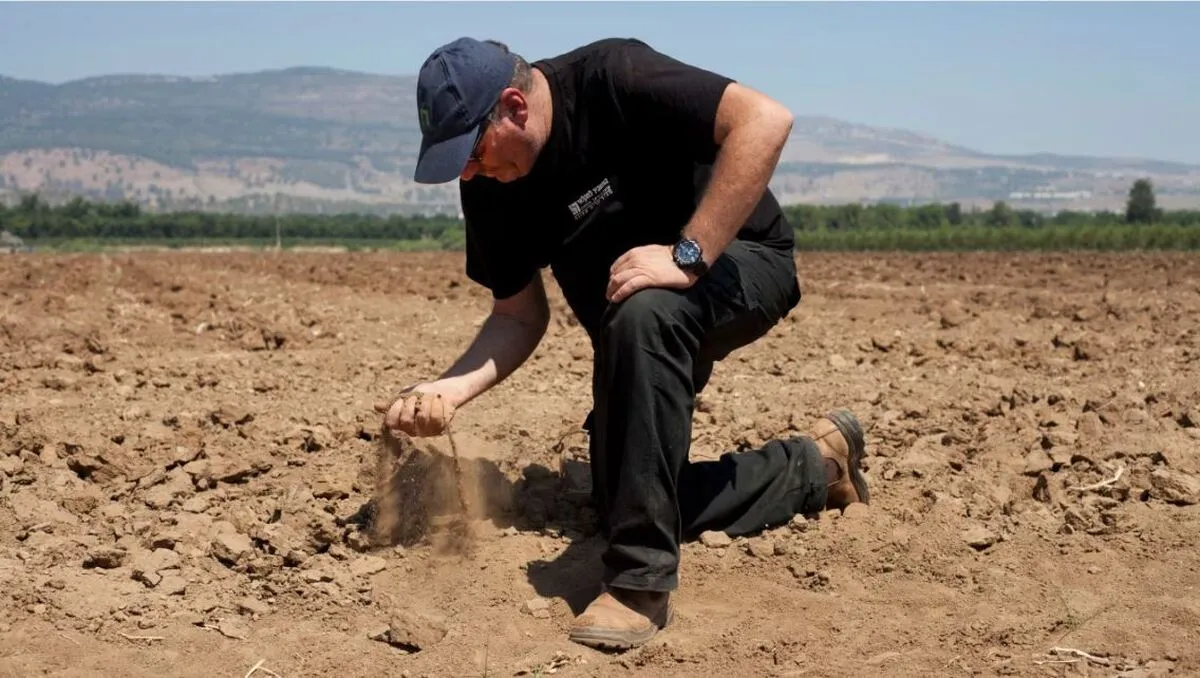
According to Al-Ittihad newspaper, the source—who asked to remain anonymous—told Ynet: “This year has been the hardest year for Israeli agriculture. All sectors of Israeli farming have been devastated.”
The ministry estimates that this year’s drought has already caused around 50 million shekels in damages, with losses expected to climb by another 150 million shekels by December.
The source added that tens of thousands of hectares of farmland have dried up, and about 50 percent of Israel’s honeybee population has been wiped out. Despite hopes for improvement; indicators suggest the situation will only worsen.
The Water Authority Council is scheduled to meet on Thursday to approve and publish for public consultation a water allocation plan for agriculture in 2026. The proposal includes reducing freshwater allocations for farming from 380 million cubic meters to 250 million.
Ynet reported that the Agriculture Ministry has warned such cuts would reduce local production, drive up prices, and inflict major economic losses. Official data shows that the damage caused by low rainfall—and expected to worsen with reduced water allocations—affects not only crops but also livestock, especially honeybees, whose food sources (grass, wheat, and flowers) have been depleted.
The Agriculture Ministry estimates that half of Israel’s honeybee population died last year alone. “We are at the end of summer, and we don’t know how we will get out of this situation,” the source said.
The Israeli Farmers’ Union strongly opposed the planned cuts, stressing there is “absolutely no need for reductions, as current allocations are already at a minimum.” The union added that farmers have already reduced freshwater use and turned partially to treated wastewater. “You can’t ask farmers to operate for a whole year without water. That would be a catastrophe.”
The union also argued that farmers are not the only consumers of water. “There is household consumption and irrigation for public gardens. Imposing the entire burden on agriculture is unreasonable. The government should launch campaigns to reduce household use, but it’s always easier to tell farmers, ‘We will cut your allocations without compensation.’”
The Israeli Water Authority responded that due to “unprecedented drought,” it is working on several measures to reduce water consumption. “One of these steps is cutting agricultural allocations for next year. This issue will be discussed by the Water Council and then published for public hearing,” it stated.
These revelations about severe drought and water shortages in the occupied territories come as Prime Minister Benjamin Netanyahu recently claimed in a video message that Israel intends to offer Iran new technologies for water management and purification to address its water crisis.