“We are starving, beaten, forgotten”: Testimonies from inside Israeli prisons
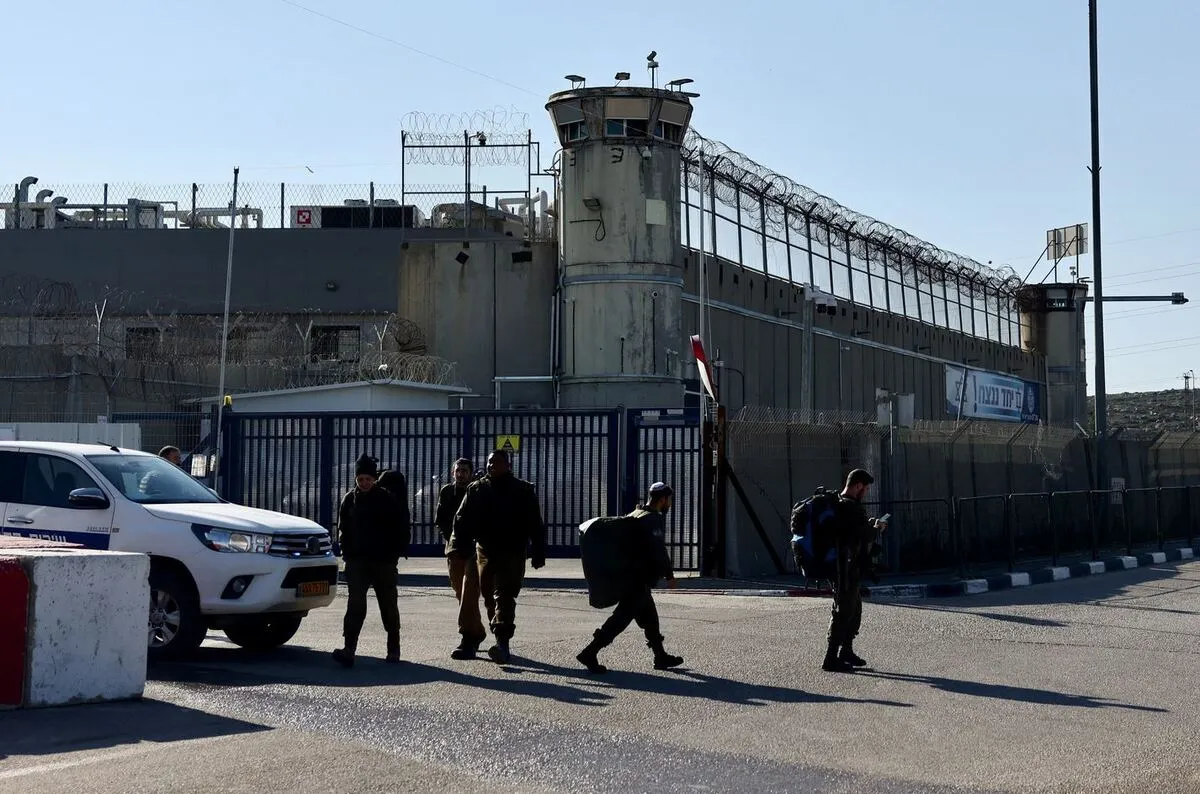
While abuse of Palestinian detainees in Israeli prisons has long been documented by human rights organizations, such mistreatment has intensified dramatically in recent months. Arrests, deaths in custody, and allegations of abuse have all reached unprecedented levels. International human rights groups have condemned these violations, describing Israeli prisons as “torture camps.” Fresh reports of torture and deaths in detention continue to emerge.
This coincides with Israel’s suspension of all humanitarian visits by the International Committee of the Red Cross to Palestinian prisoners. The abuse has spared no one — including Marwan Barghouti, one of the most prominent Palestinian prisoners. A video released last week showed him looking frail and aged, wearing only a white undershirt, while Israel’s National Security Minister Itamar Ben-Gvir appeared to threaten him during a prison visit.
Despite extensive evidence and international condemnation, Israeli authorities continue to conceal vital information about the fate of many detainees, particularly those abducted from Gaza. Many are classified as “resistance fighters,” with their whereabouts and detention conditions entirely unknown.
How many Palestinian prisoners are there?
Since October 2023, Israeli forces have carried out some 18,500 arrests across the occupied Palestinian territories, including over 570 women and 1,500 children. This equals an average of more than 800 arrests per month — an increase not seen in decades.
Currently, an estimated 10,800 Palestinian prisoners are held in 23 prisons, detention centers, and interrogation facilities — more than double the number before the Gaza war.
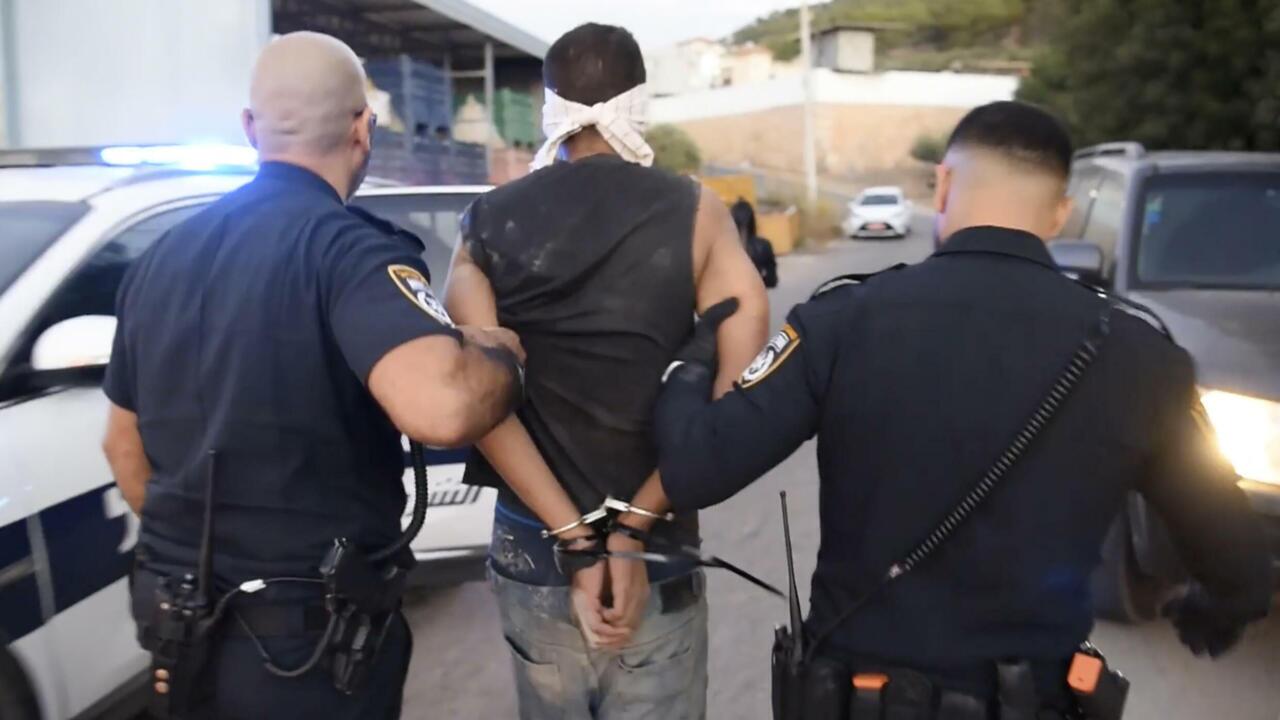
This figure excludes those held in secret Israeli military camps, primarily abducted Gazans. Though the exact number remains unknown, human rights groups believe it to be in the thousands.
As of July, at least 49 women and more than 450 children remain in custody. Additionally, 3,613 Palestinians are being held in administrative detention without charge or trial. This marks the highest number of Palestinian prisoners since the Second Intifada (2000–2005).
What abuses are taking place?
Palestinian detainees have reported widespread and severe mistreatment in Israeli facilities in recent months — abuses described by rights groups as “systematic crimes.” Testimonies collected by organizations such as Addameer, the Palestinian Prisoners’ Society (PPS), and the Commission of Detainees include accounts of:
- starvation and food deprivation,
- medical neglect,
- beatings and physical violence,
- humiliation and sexual abuse,
- theft,
- and unprecedented levels of mass solitary confinement.
In August 2024, a human rights group accused Israel of enforcing an institutionalized policy of abuse and torture against Palestinian prisoners since the Gaza war began. Some of the gravest allegations involve sexual violence.
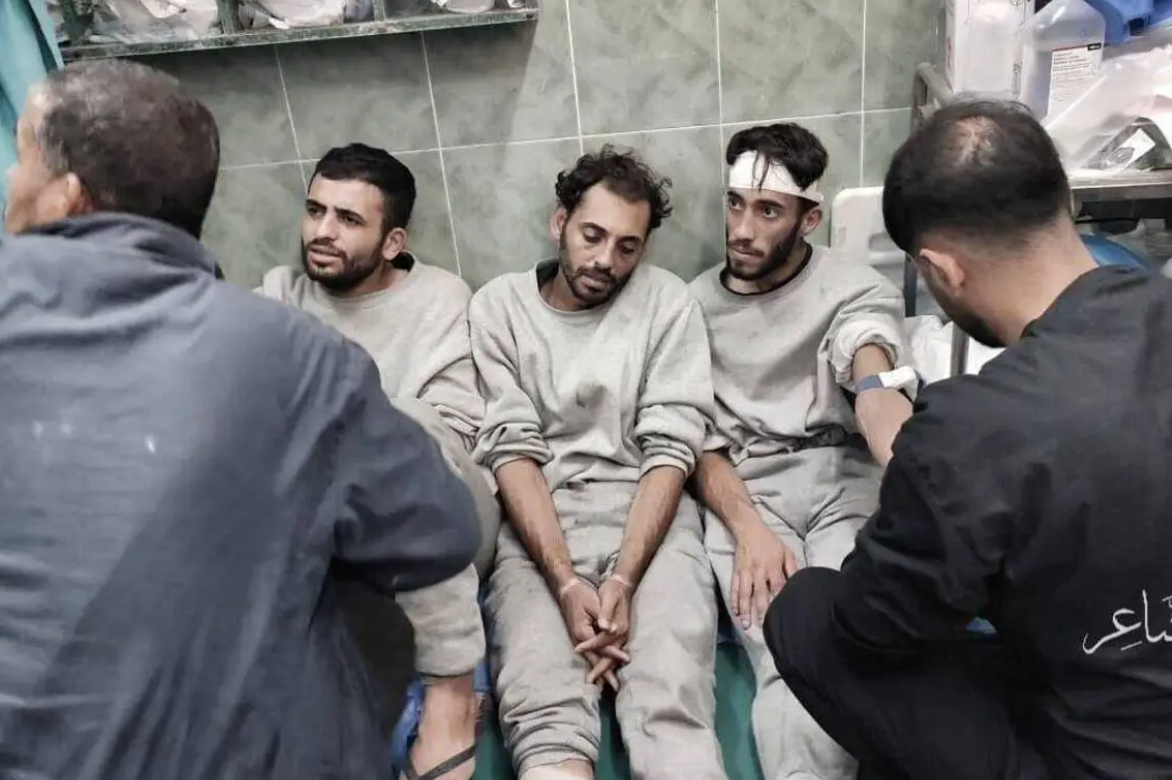
Despite Israeli denials, international organizations have called for independent investigations, particularly into cases of detainees held without charge or access to legal counsel.
Among the detainees are dozens of doctors, paramedics, journalists, and activists. Reports indicate that they are subjected to even harsher treatment and abuse.
Human Rights Watch (HRW) reported in August 2024 that Israel has arbitrarily detained and tortured Palestinian healthcare workers abducted from Gaza. At least 360 healthcare workers have been detained, many while carrying out their duties in hospitals.
One case is Dr. Husam Abu Safiya, director of Kamal Adwan Hospital, arrested during an Israeli military raid in December 2023. His lawyer says he has since been subjected to repeated solitary confinement and severe beatings.
Journalist arrests have also surged: since October, around 200 media workers have been detained, at least 55 of whom remain in custody. While some face charges of “incitement,” others are held under secret administrative detention files.
Prominent long-term Palestinian prisoners, including Barghouti and senior Hamas leaders, face severe abuse, humiliation, and prolonged solitary confinement.
How many prisoners have died under torture?
In recent months, multiple Palestinian prisoners have died under prolonged, systematic torture in Israeli custody. At least 76 deaths have been officially reported since the Gaza war began, though the real number is feared to be much higher, as Israeli authorities continue to withhold information.
Families say many who died were young and previously healthy. The circumstances of these deaths remain largely concealed by prison authorities. To date, none of these deaths have led to prosecutions or accountability.
Human rights groups warn that torture and abuse are compounded by poor sanitary conditions, starvation, and medical neglect — leading to outbreaks of disease and malnutrition among prisoners.
What is happening to child prisoners?
The number of Palestinian children in detention has surged over the past two years. Currently, at least 450 minors, some as young as 12, are behind bars. They too report abuse, starvation, and degrading treatment.

Some children have been released with injuries and bloodstained clothes. In November 2023, Israel’s Knesset passed a law permitting the detention of children as young as 12. Another clause allows courts to place minors in adult prisons for up to 10 days if deemed a “threat.”
According to the NGO Save the Children, Palestinian children are the only children in the world systematically prosecuted in military courts. Over the past two decades, around 10,000 Palestinian minors have been detained under Israel’s military system — though the actual figure may be higher.
What is administrative detention?
Roughly one-third of current detainees are held under administrative detention — a controversial Israeli policy allowing imprisonment without charge or trial, usually for 3–6 months, renewable indefinitely. Detainees are not informed of the evidence against them and cannot appeal.
The practice has expanded since the Gaza war, even against women and children. In March 2024, Israel issued an administrative detention order against 14-year-old Mo’in Ghassan Fahd Salahat, making him the youngest recorded administrative detainee.
Meanwhile, many detainees entitled to legal counsel under Israeli law have been increasingly denied access to lawyers. Attorneys report being barred from visiting their clients or reviewing case materials, facing bureaucratic hurdles that make effective defense nearly impossible.
What is the “Unlawful Combatants Law”?
Since October 7, 2023, Israel has established special detention camps for Palestinians abducted from Gaza. Some of the harshest torture cases have been reported from facilities such as the notorious Sde Teiman camp.
Most detainees are held under the Unlawful Combatants Law, originally passed in 2002 to allow indefinite detention of Lebanese nationals. It was later expanded to cover Gazans. In December 2023, the law was amended, giving Israeli forces broader powers that rights groups say violate international law.
Key provisions include:
- Detention without court order for up to 45 days, renewable indefinitely.
- Denial of access to a lawyer during the first 45 days of detention.
- Authorities may conceal the location and conditions of detainees.
Currently, at least 2,378 people are held under this law, including individuals abducted during Israeli ground raids in Gaza, Lebanon, and Syria.