Gaza faces deadly outbreak of antibiotic-resistant diseases
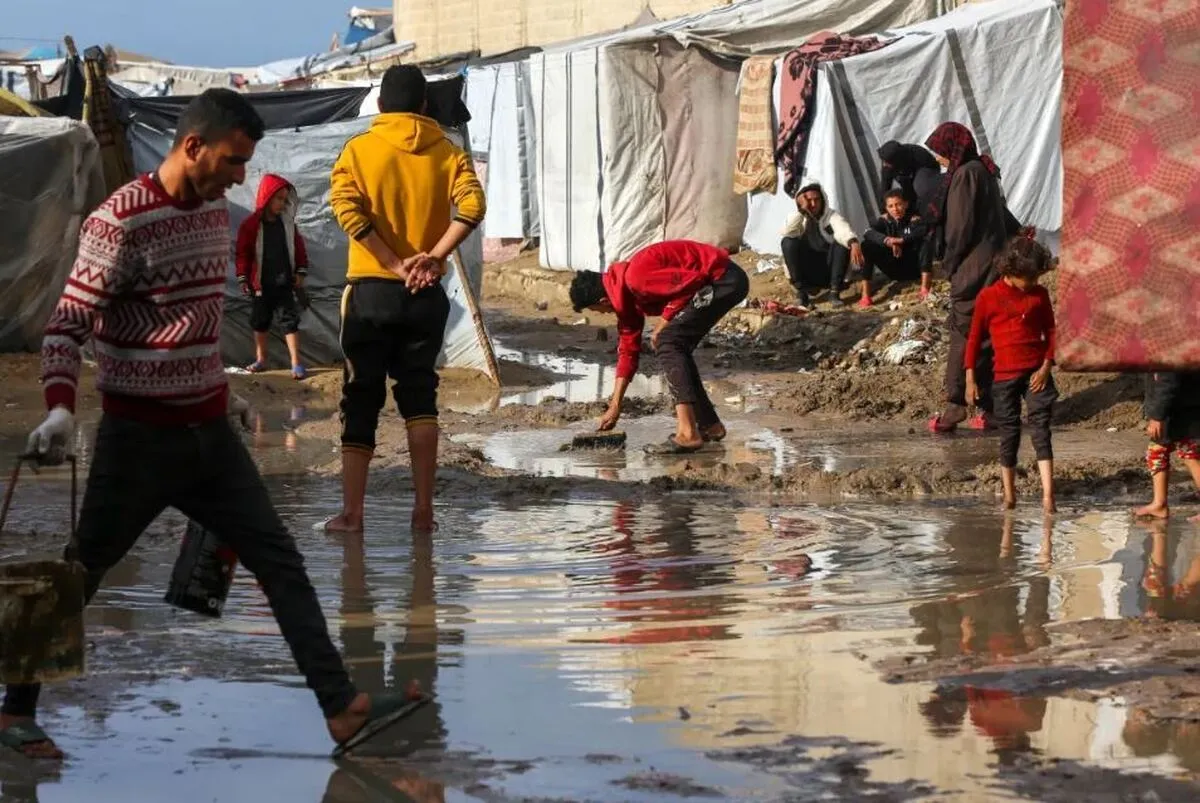
In its latest study, The Lancet reported that the Gaza Strip faces the emerging threat of diseases caused by antibiotic-resistant bacteria, which could lead to more severe illnesses and faster transmission of infectious diseases.
The findings, released on Tuesday, August 12, are the first since the war began in October 2023 to confirm the spread of multi-drug resistant bacteria in Gaza.
The Lancet research was based on an analysis of over 1,300 samples taken from Al-Ahli Hospital—one of the few remaining microbiology laboratories still operating in Gaza.
Two-thirds of the samples collected from patients over the past 10 months showed the presence of multi-drug resistant bacteria. The study emphasized that the severe shortage of medical supplies and medicines—combined with widespread war injuries and physical weakness from malnutrition—has worsened patient conditions.
Bilal Erfan, one of the study’s authors and a bioethics researcher at Harvard’s Brigham and Women’s Hospital and the University of Michigan, described the results as “particularly alarming.”
He said: “We don’t even know the true scale of this because almost all laboratories have been destroyed and many medical staff have been killed, so even having a small glimpse into what is happening in Gaza is very important.”
The study noted that medical equipment is extremely scarce, tens of thousands have been injured during the 22-month war, and many more have been weakened by malnutrition. Experts warn that the high prevalence of drug-resistant bacteria means longer and more severe illnesses, faster spread of infectious diseases, and higher death rates.
The Lancet researchers cautioned that the threat of drug-resistant bacteria will intensify unless Israel’s assault—and its deliberate targeting of hospitals, laboratories, and desalination plants—comes to an end.
An epidemiology advisor with Doctors Without Borders, who has co-authored studies on drug-resistant bacteria in Gaza and other war zones in the Middle East but was not involved in the Lancet research, said: “This means longer and more severe illnesses, a higher risk of transmission to others, an increased risk of death from otherwise common infections, and more amputations. It’s a horrific picture.”
He added that the problem has been worsened by widespread contamination of water sources and the absence of proper vaccination programs during the war.
For decades, Gaza has suffered from high levels of multi-drug resistant bacteria due to repeated Israeli attacks and the blockade imposed since 2007.
However, experts said the current conditions are unprecedented—not only has Gaza’s healthcare system been destroyed, but sanitation systems have also collapsed, waste disposal has almost entirely stopped, and widespread hunger among the 2.3 million population has left many more vulnerable to infection.
Meanwhile, on Tuesday, the World Health Organization (WHO) called on Israel to allow medical supplies to be stockpiled to address Gaza’s “catastrophic” health situation.
Rick Peeperkorn, WHO representative in the occupied Palestinian territories, said: “We want to pre-position supplies, and we keep hearing about allowing more humanitarian aid in. Well, that still hasn’t happened—or it’s happening very slowly.”
Peeperkorn noted that Gaza has run out of more than half its medicines, and because of “cumbersome procedures” and data-x-items that “still have not been approved for entry”—an issue under constant negotiation with Israeli authorities—the WHO has been able to bring in far less aid than needed.
He also stated that only 50% of hospitals and 38% of primary healthcare centers in Gaza are even partially functional. Bed occupancy has reached 240% of capacity at Al-Shifa Hospital and 300% at Al-Ahli Hospital, both in northern Gaza.
“The overall health situation remains catastrophic,” Peeperkorn said. “Hunger and malnutrition continue to devastate Gaza.”