Lesbos; the silent frontline of Europe’s migration crisis
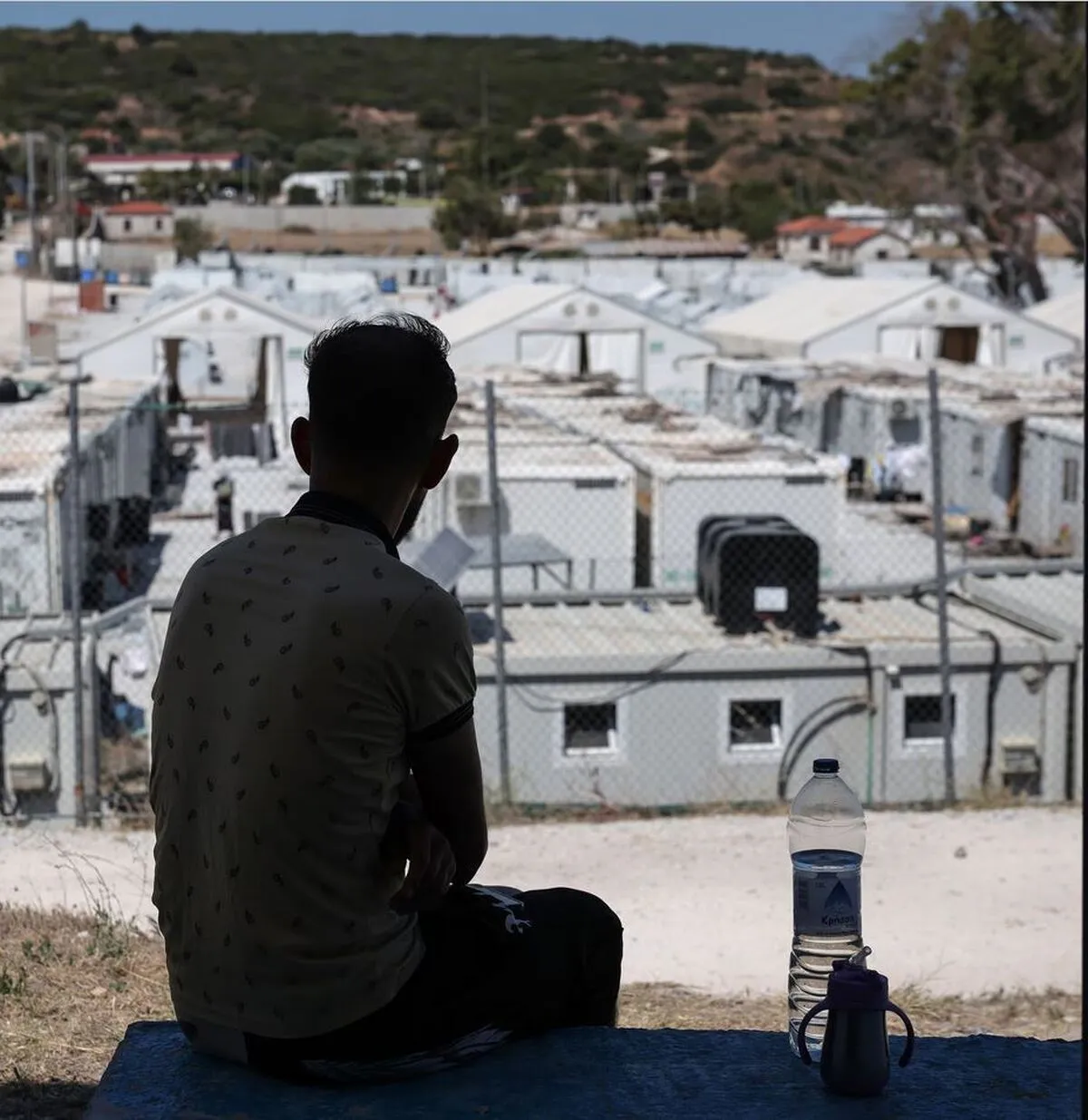
Lesbos has become a symbol of the EU’s anti‑migration policies. The criminalization of helping migrants in the surrounding waters has only worsened the situation.
Assisting migrants to reach Lesbos’ shores can lead to charges such as “facilitating illegal entry into Greece” or “aiding a criminal act” under a 2021 law — part of Europe’s broader push to curb large‑scale migration from the Middle East and Asia. This is one of several so‑called “deterrent” measures devised and enforced since the 2015 migration crisis. Human rights groups say such measures put the lives of people seeking entry at even greater risk.
Lesbos reflects just how hardline governments’ responses toward those seeking to enter Europe have become.
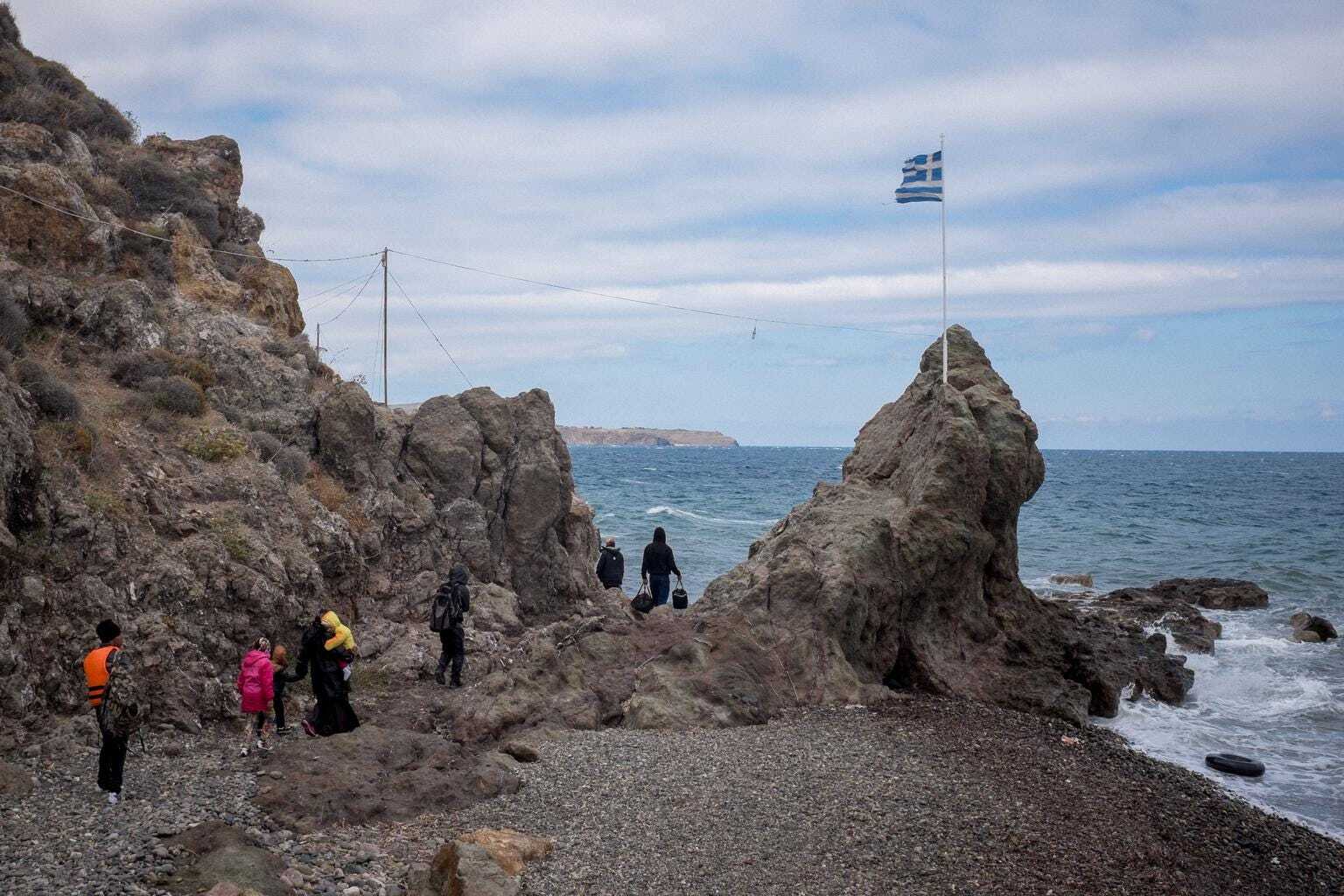
According to EU border agency Frontex, migrant arrivals to the EU had fallen to around 240,000 by 2024 — less than a quarter of the 2015 peak. UNHCR figures show that only 11,200 migrants reached Lesbos last year.
Today, migrants arriving on Lesbos are intercepted by police. Those who help them face fines or prison sentences.
A new migrant camp is being built in a remote part of the island. Funded by the EU, it will have the capacity to hold 5,000 people.
Deaths in the Mediterranean — though far below 2015 levels — remain tragically common. The International Organization for Migration (IOM) reports that on the Eastern Mediterranean route, which includes Greece, 191 migrants died or went missing in 2024 while trying to reach Europe. Across all Mediterranean migration routes, IOM recorded 2,573 migrant deaths or disappearances last year.
Greece has faced serious criticism over its treatment of migrants approaching by sea — including the sinking of a boat carrying hundreds in 2023.
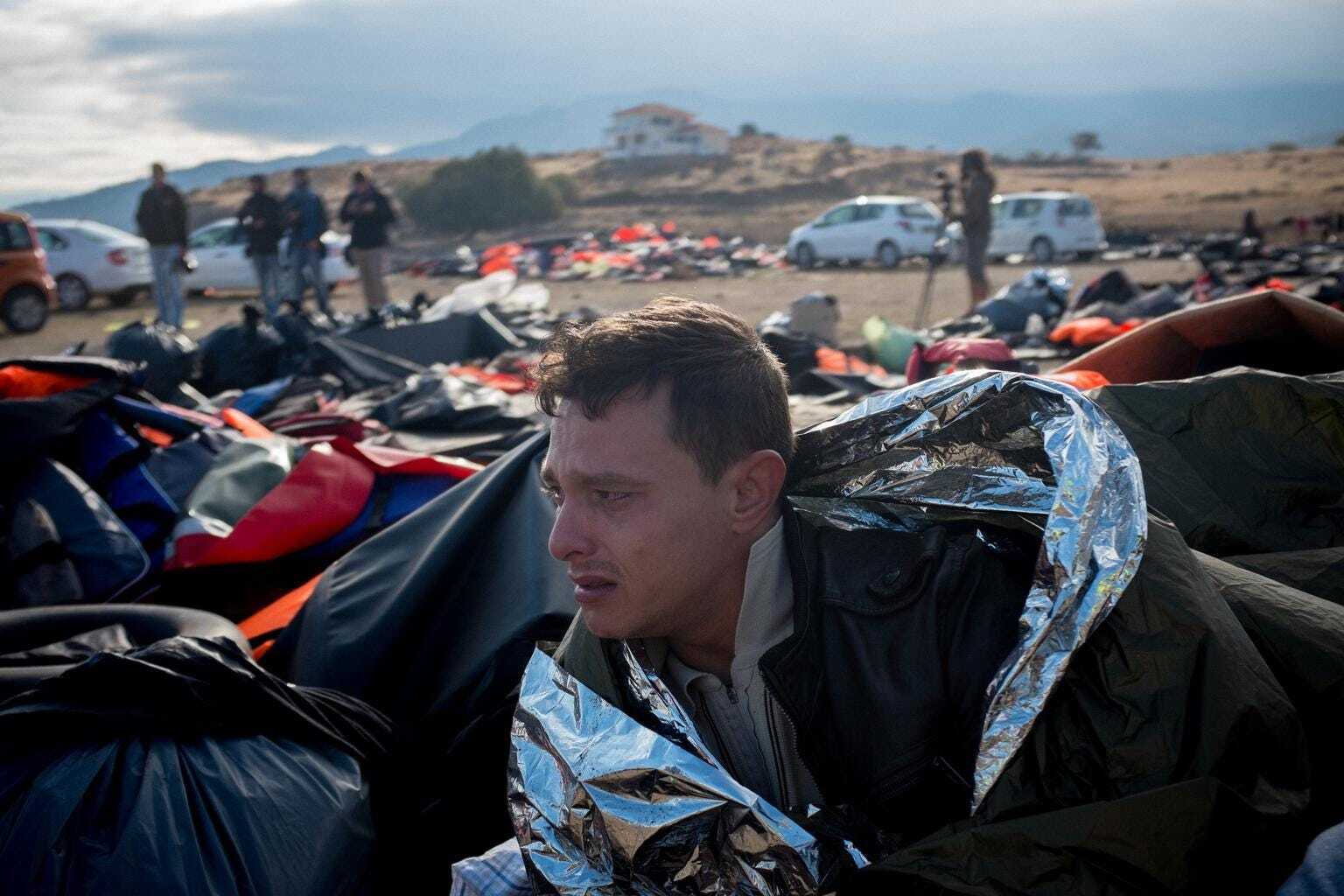
In April, Frontex announced it was investigating 12 alleged human rights violations by Greece, including complaints about migrant pushbacks. The European Court of Human Rights, which reviews complaints against EU member states, has also identified similar violations by Greece.
While Greece denies human rights abuses or forced pushbacks from its shores, the country’s center‑right government has taken an openly hard stance against sea arrivals. The new migration minister recently referred to migrants as “invaders.” Maria Clara Martin, the UNHCR’s representative in Greece, warned: “We are concerned about this rhetoric. As conflicts rise, countries will increasingly push for more restrictive policies.”
A social scientist and charity worker on Lesbos said the political narrative portraying migrants as destroyers of the island has only worsened the situation.
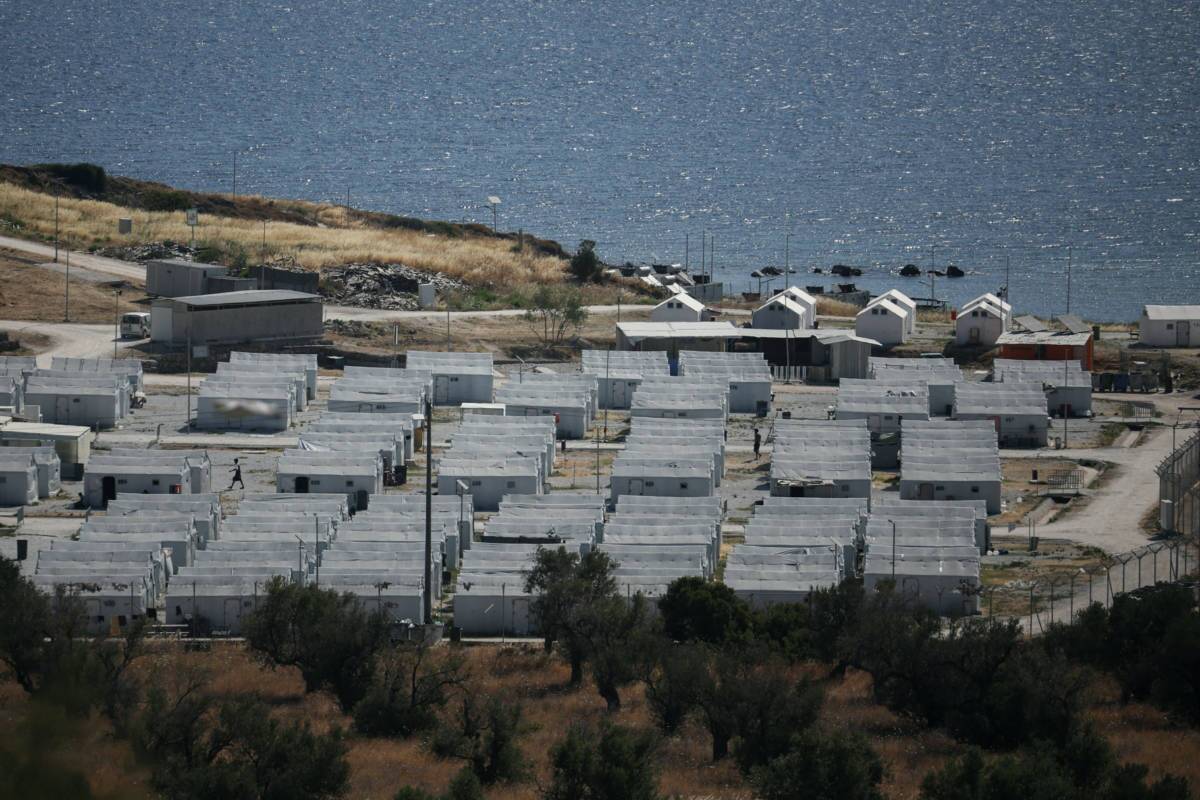
Today, the outer wall of Moria camp — which was destroyed by a deadly fire in 2020 — bears graffiti reading: “The graveyard of human rights.”
Meanwhile, the EU is pushing for even stricter anti‑migration measures. In May, the European Commission proposed an amendment to EU law that would allow member states to deport rejected asylum seekers to countries with which they have no prior connection.
The UK and France have also recently announced tougher migration controls, and Greece has passed a law temporarily suspending asylum applications from migrants arriving from North Africa.