Head of Judiciary: Successors of martyrs in the 12-Day war are acting swiftly and with full support
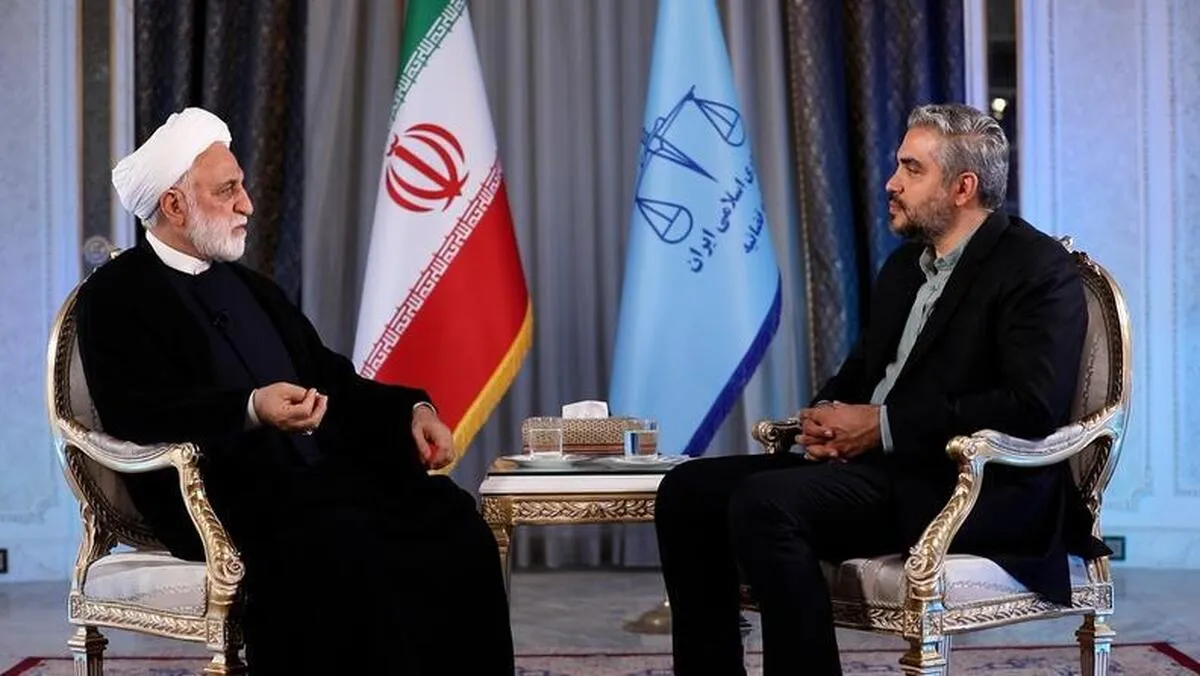
Referring to the prosecution process of spies and individuals arrested during the 12-day imposed war, he said: “It is important to understand that those arrested fall into several categories. Some were detained during the chaos following the bombings due to suspicion. In wartime, it’s natural for people to be arrested for photographing or filming incident sites. However, some of these individuals might not have acted in cooperation with the enemy.”
He continued: “During and after the 12-day war, around 2,000 individuals were arrested. However, many were released shortly after, as they were neither spies nor collaborators with the Zionist regime. These individuals were freed after investigations and data gathering. In some cases, full clarity wasn’t achieved, so temporary release was granted under judicial orders. A portion of the detainees were indeed cooperating with the Zionist regime, with varying degrees and types of involvement. According to our law, any individual who collaborates with a hostile regime during wartime must be arrested and tried. Punishments vary, with some facing capital punishment and others receiving lighter sentences.”
“Among the detainees linked to the Zionist regime, we had all types. Some had organized connections and must first undergo intelligence debriefing, and their accomplices identified — a process that may take time. In the Supreme Judicial Council meetings held every Monday during and after the war, we instructed that these cases be handled swiftly and precisely, according to wartime protocols. Some indictments have been issued and sent to court, with court dates scheduled. However, a significant number are still under investigation.”
He remarked: “Enemy attacks on the Judiciary due to our handling of spies and Zionist collaborators are to be expected. The U.S. and the Zionist regime adhere to no principles — not international law, human decency, truthfulness, or even avoidance of forgery.”
Ejei emphasized: “Even in times of crisis, we must uphold justice and fairness. While I’ve stressed to prosecutors and judges that cases of espionage and collaboration must be handled decisively and promptly, I’ve also told them to consider God, the law, fairness, and justice in their proceedings.”
Addressing the Zionist regime’s attack on the Supreme National Security Council meeting on June 15, he said: “Our enemies are truly foolish. Even after more than four decades since the Islamic Revolution, they still think that by assassinating one or more officials, they can paralyze our country. In 1981, when Iran was fully engaged in a war with a foreign enemy, the Monafeghin assassinated many officials in just 6–7 months.”
“On July 28, 1981, they killed 72 high-ranking officials of the Judiciary, some MPs, and other influential figures in a bombing. A day earlier, the current Supreme Leader survived an assassination attempt. That same summer, the President, Prime Minister, and many respected figures were martyred — all within just three years of the Revolution, when our system was still in its infancy.”
“The enemy assumed that bombing the National Security Council meeting on June 15 would cripple Iran and the Revolution. But even if key officials had been killed in that attack, the country would not have collapsed.”
He shared a memory from the attack: “When the bombing occurred, the power went out, and darkness prevailed. The sound of successive bomb blasts filled the air. Yet, no fear or panic overtook those present. Everyone remained calm and composed.”
“Just one hour later, those same officials who had been in the meeting resumed their work in other locations without interruption — with even stronger resolve. None of them fled to bunkers or their homes. The work continued. In the days following, several more Supreme National Security Council meetings were held with full participation.”
He noted: “We listen to security advice, but that doesn't mean we abandon our duties. Even in wartime, changes in communication methods among officials and commanders are natural. The successors to our martyred commanders began their work immediately. Coordination between top officials and the armed forces was fully intact during the 12-day war. Priorities shifted based on the situation, but that didn’t mean the country’s affairs were neglected.”
“Losing our respected commanders in this war was a major loss. But the Supreme Leader quickly appointed their replacements, and no delay occurred. The Zionist regime and the U.S. faced swift retaliation.”
Regarding the Supreme Leader’s leadership, Ejei said: “The vital and irreplaceable role of the Supreme Leader throughout the 46 years of the Revolution, particularly in crises, has become crystal clear. His command during the 12-day war was especially decisive — especially since new commanders may have been unfamiliar with prior protocols. Military actions require his final approval. His leadership in military matters was pivotal. I believe two main factors thwarted the enemy: the wise leadership of the Supreme Leader, and national unity.”
He continued: “The will of the Iranian people triumphed over the enemy’s. Their goal was regime change and national disintegration. But Iran — which had declared it would not start the war — stood firm and responded decisively. We never requested a ceasefire. If the U.S. thought Israel could manage the war alone, it wouldn’t have intervened. But fearing its proxy’s collapse, the U.S. stepped in — and Iran struck back hard. Even before the ceasefire, Iran dealt the final blow.”
“Several unprecedented events occurred during this war: for the first time, Israel witnessed massive strikes against its security, military, and sensitive facilities. For the first time, the U.S. directly entered a war to save Israel from collapse. And for the first time, Iran stood against both the U.S. and Israel simultaneously and dealt them serious blows.”
Ejei also highlighted: “There was a noticeable increase in national unity and cohesion during and after the war. Though some had grievances before, during and after the 12-day defense, all witnessed a rare, intensified sense of solidarity in the Islamic Republic. We must continue strengthening this unity and avoid anything that causes division.”
“We saw unprecedented unity even among domestic and overseas political groups, all aligned against the Zionist regime. At the same time, anti-Iran and anti-Revolutionary elements — who sided with the enemy — suffered internal fractures and divisions.”
“Even some people who had felt neglected before came forward to defend Islamic and national values — a truly valuable development that deserves admiration. We must strive to preserve and build upon this national unity.”
Regarding recent directives from the Supreme Leader, Ejei said: “Pursuing Zionist war criminals in domestic and international courts is a priority for us. The Judiciary will pursue this earnestly. The government, parliament, NGOs, and civil society can assist. We will prosecute Zionist perpetrators for their crimes in Gaza, Lebanon, Syria, and Iran.”
“The Supreme Leader has ordered us to accelerate and focus on previously neglected areas in this pursuit. Thus, we’ve assigned the Attorney General and international law departments to consolidate all cases and petitions against Zionist and American aggressors into a unified legal strategy — and to collaborate with the government, Foreign Ministry, and legal experts.”
“Of course, we place no hope in international bodies, which have done nothing during the year-and-a-half of genocidal aggression in Gaza. They remained silent as hospitals, prisons, and media outlets were attacked. Still, to prove our case, we are submitting complaints. We hope that at least one independent judge will issue a verdict against the aggressors — and that we can obtain compensation.”
He concluded: “Without doubt, the future of this confrontation will see the victory of the truth and the Islamic Republic of Iran, and the decline and collapse of the American and Zionist leadership.”