Trump’s blackmail of Europeans
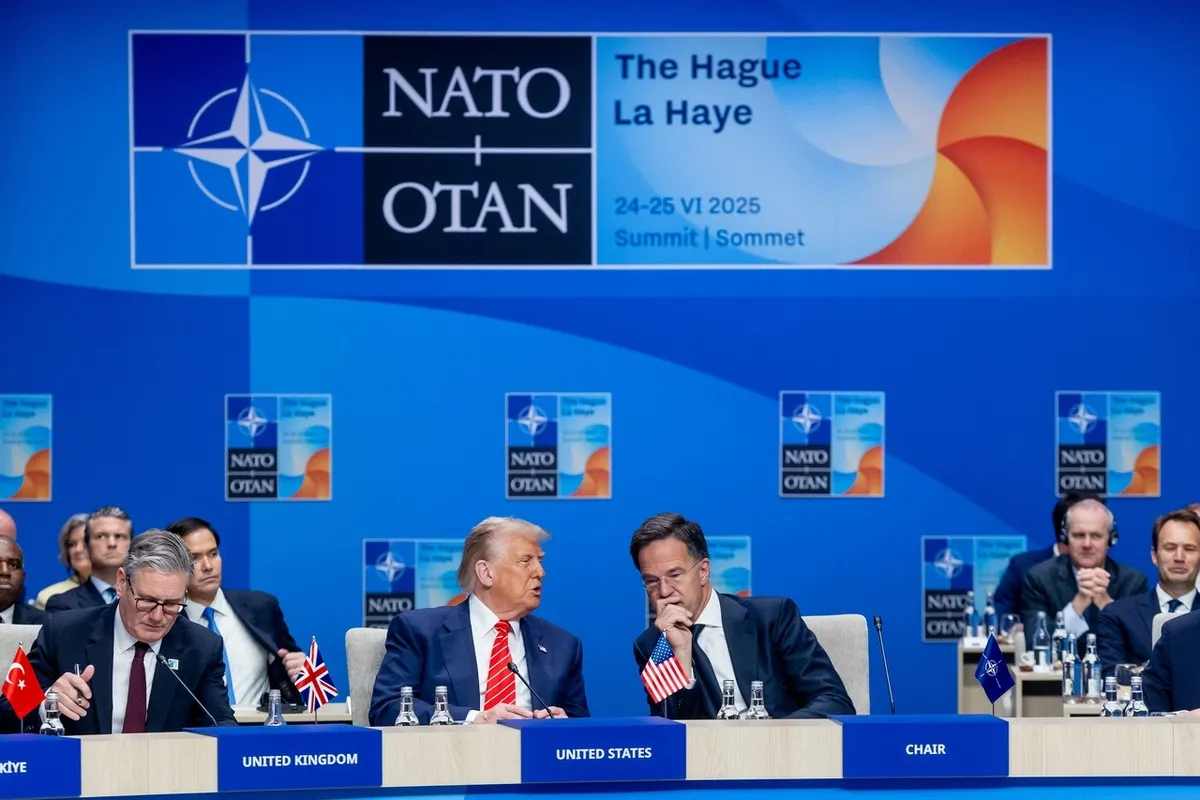
The key message from the recent NATO meeting in The Hague has not been particularly encouraging for the European member states of the alliance. At this meeting, American officials imposed their demand on European NATO members to allocate 5% of their GDP to joint defense and military expenditures, while at the same time offering no concrete guarantees for the absolute and comprehensive protection of Ukraine in the ongoing war. The only commitment Washington made to its European allies was its adherence to Article 5 of NATO’s collective defense clause.
To put it more bluntly, the Americans have used this as a form of blackmail: in exchange for their commitment to a basic NATO statute, they are forcing European countries to shoulder the financial burden. These costs are not being imposed in exchange for greater U.S. involvement in the Ukraine war but simply as a price for America's adherence to a "legal obligation." This represents perhaps the worst intra-Atlantic deal, wholly to the detriment of European nations.
While the situation on the battlefield in Ukraine remains critical and NATO officials warn of a harsh summer ahead for Ukrainian forces, European NATO allies are facing the stark reality that the United States no longer considers Ukraine’s success a key element of NATO’s security. Yet, Washington continues its policy of blackmail against NATO as part of its ongoing strategic roadmap.
More importantly, even with Washington’s supposed commitment to collective defense, there is no guarantee that a Trump administration would directly intervene if a new conflict were to erupt between Russia and European nations. Nevertheless, European officials, in their media narratives, are hailing the recent summit in The Hague as a “turning point” or “historic meeting.” They conveniently ignore the fact that this increased military-security budget is being forced upon them by Washington, not born out of any genuine, collective understanding of new regional threats.
The essential question remains: if this decision truly stems from a newfound understanding of the need for ongoing collective defense, particularly against the Russian threat to Europe, why did the overwhelming majority of European NATO members openly and covertly oppose this measure until just weeks ago? The real losers in Trump’s blackmail of European governments are the citizens of the 28 NATO member states. These are countries whose leaders, despite their rhetoric, cannot genuinely claim to possess strategic independence in international affairs.
Viewed from this perspective, the recent NATO summit in The Hague can be seen as a turning point in the collective awareness of European citizens regarding the depth of their governments’ dependence on Washington across the Atlantic.
Whatever the outcome of this newfound awareness, it will not benefit Europe’s current governance structures. Instead, it will only deepen the growing divide between governments and their people in the continent. The cost of this strategic blunder may soon lead to the formal collapse of the European Union and a return to the nationalist models of governance last seen in the previous century.