Weapons of war, Made in Britain: The Al-Mawasi massacre through survivors' eyes
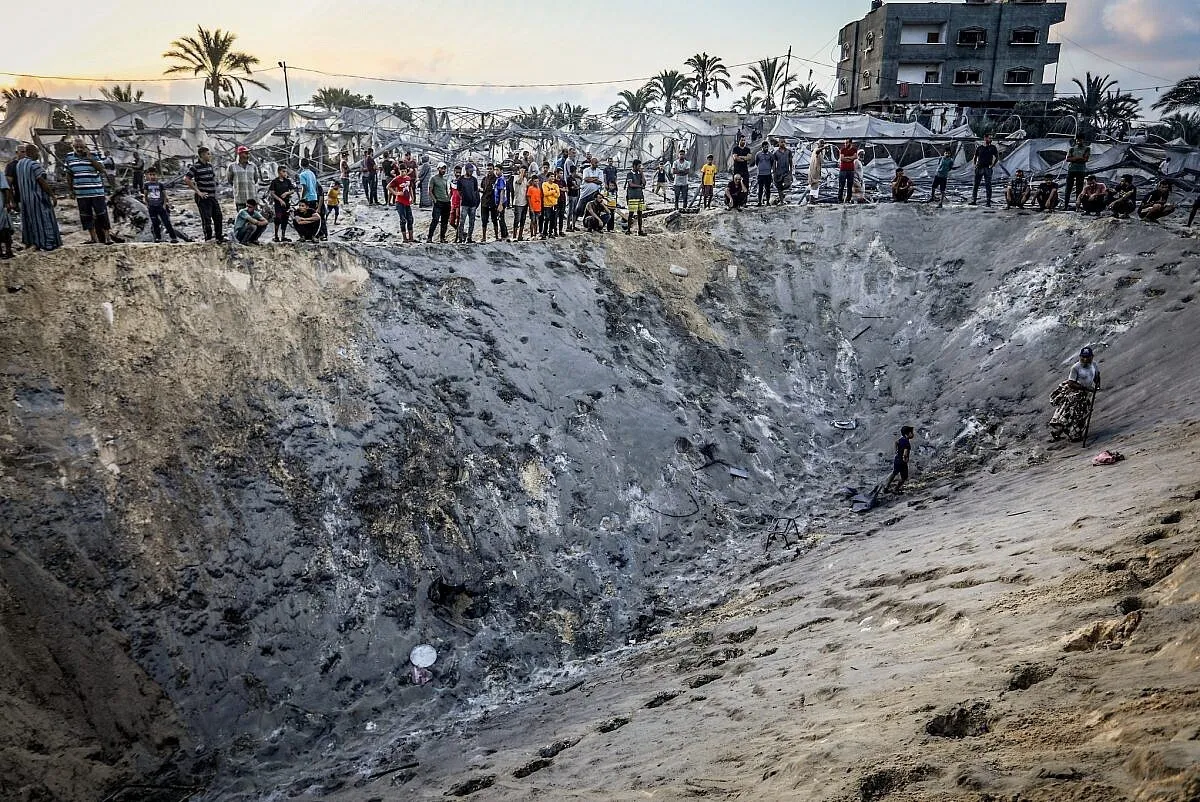
The Al-Mawasi beach in Gaza, which had been designated as a “safe zone” by the Zionist regime, became the site of a devastating massacre on July 13, 2024.
Israeli warplanes launched missile strikes on tents where displaced civilians had sought shelter.
According to reports, this attack killed more than 90 people and injured over 300 others; many of the victims were women and children.
A Massacre in a “Safe Zone”
Survivors continue to grapple with this trauma and hold the international community — particularly the UK — responsible for complicity in the Zionist regime’s crimes. Their anger deepened after learning that the F-35 fighter jets used in the attack were partially manufactured in the UK. Despite widespread criticism, a British judge ruled last month that London could continue supplying spare parts for these aircraft.
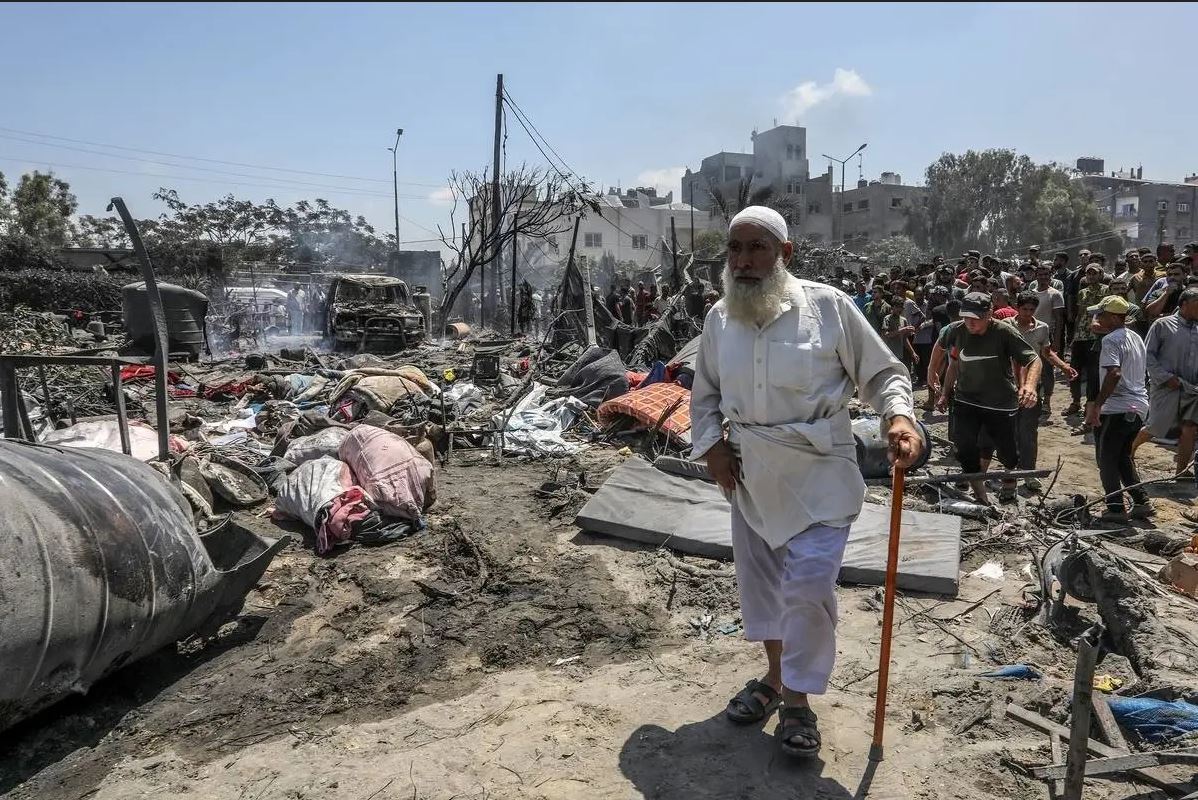
Thurayya Moammar, a displaced woman from northern Gaza, was in a tent with her family when the bombardment began. She recalls hearing the sound of missiles.
Still suffering from severe psychological trauma, Thurayya said that discovering the UK’s role only worsened her pain.
She said: “When I realized that the plane which destroyed our tents and took the lives of our neighbors was partially built in Britain, I felt as if we are not only dying from Israeli missiles, but also from court rulings made far away by people who know nothing about our children.”
One displaced resident from Jabalia in northern Gaza was standing in line for food aid from the UN Relief and Works Agency (UNRWA) at the time of the attack.
He said: “We were waiting in line for food for our children. Suddenly, the aid was soaked in blood, and the lines turned into scattered corpses. How can you bomb starving people who are waiting for their food?”
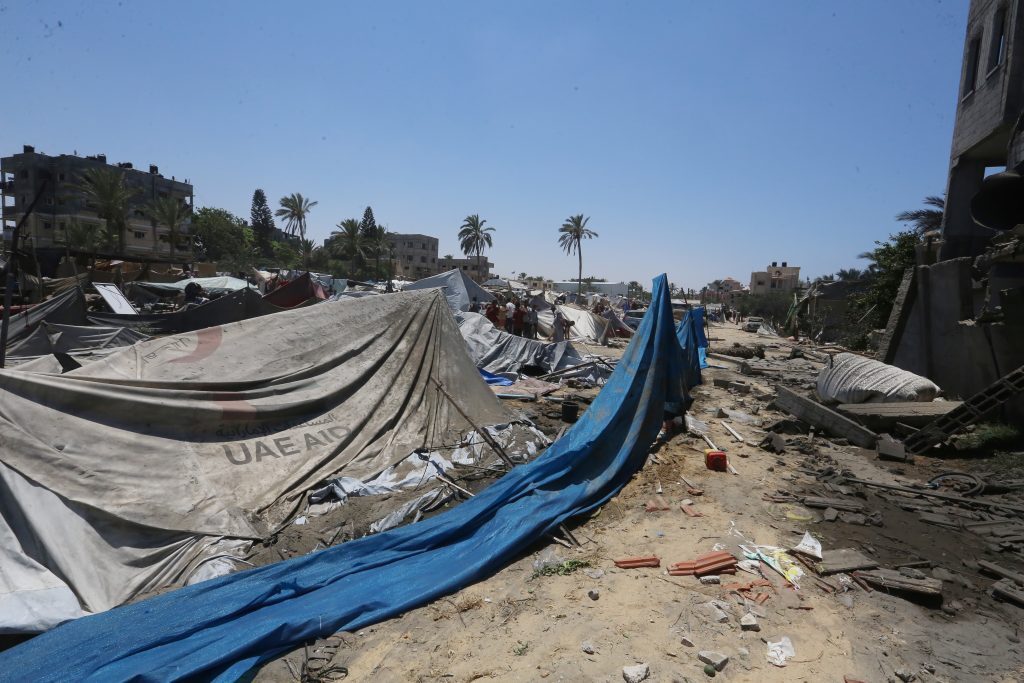
This Gaza resident added: “When we hear that a judge in Britain has approved the continued sale of parts for the planes that bombed us, we feel as though our lives are completely disregarded, as if our suffering means nothing to them.”
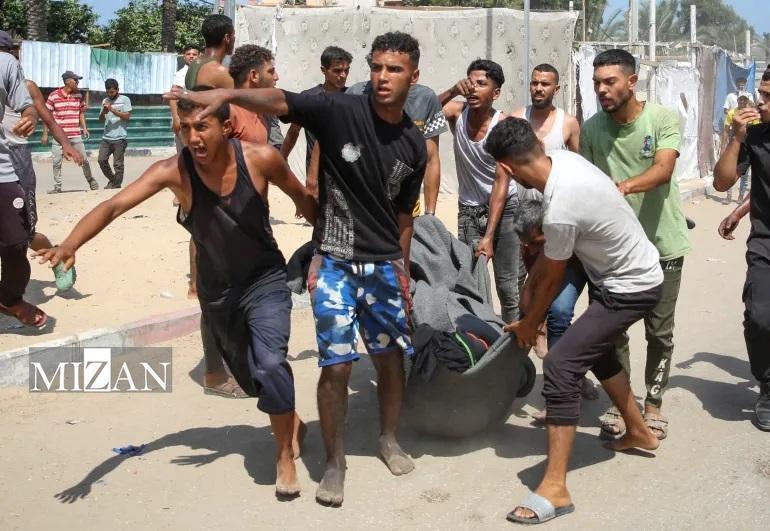
A displaced Palestinian from western Gaza City spoke of the attack: “Children and people were thrown into the air. My nephew was about to enter the tent when a piece of shrapnel struck his head. He died instantly. They told us Al-Mawasi was a safe zone, but all we found there was death.”
He added: “These were warplanes with parts made in British factories. Does our life mean nothing at all?”
From legal advice to complicity
According to court documents, just 11 days after the Al-Mawasi massacre, UK government lawyers formally informed Foreign Secretary David Lammy that, in general, the Zionist regime does not comply with international humanitarian law.
However, despite this legal assessment, the British Labour government waited about six weeks before imposing any arms restrictions on the occupying regime. During this period, at least two shipments of F-35 parts were directly sent to the occupied territories.
Even when restrictions were finally imposed, they included a legal loophole allowing F-35 components to be sent from the UK to the occupied territories, provided they were routed through a third country.
For civilians in Gaza, the consequences of these arms exports are devastating. A displaced woman from Rafah in southern Gaza said that she and her family took refuge in Al-Mawasi after receiving evacuation orders.
She recalled: “They told us Al-Mawasi was safe. We arrived, and just a few days later, we were attacked.”