Medicide in Gaza: How Israel is dismantling the lifelines of healthcare
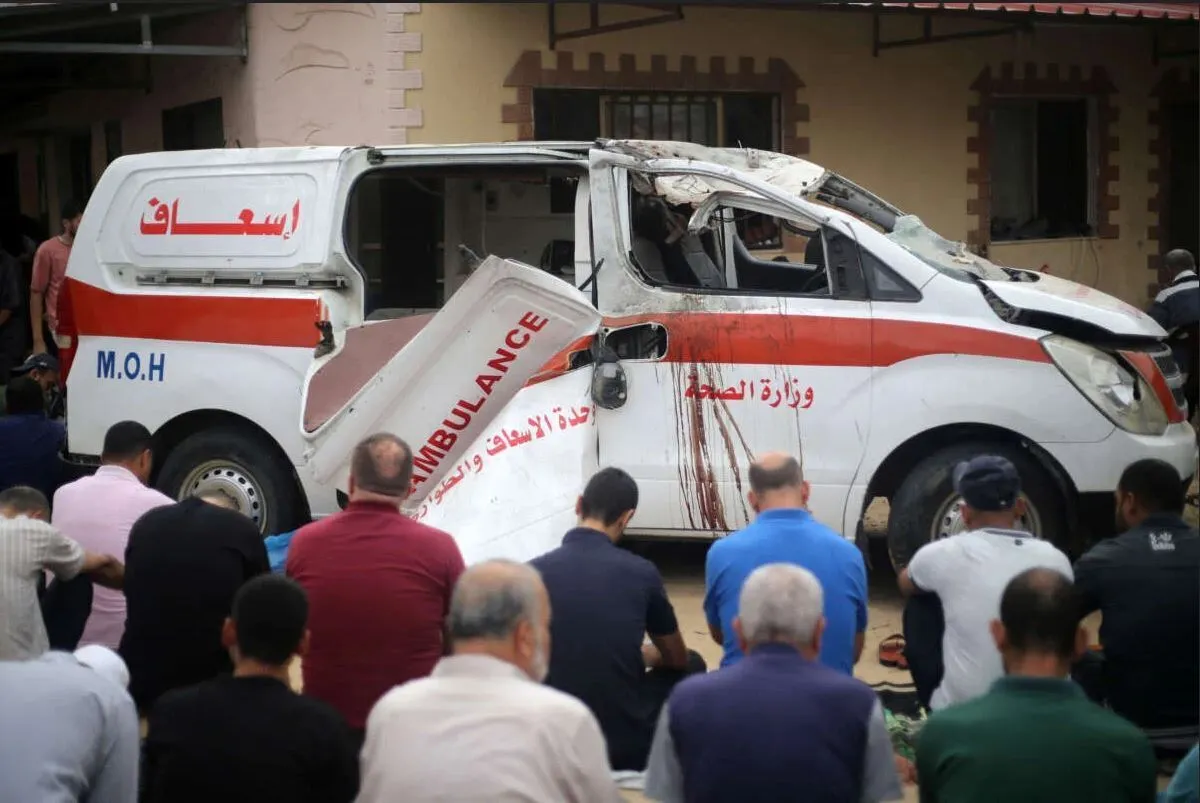
As Israel’s war on Gaza nears its second anniversary, the humanitarian catastrophe in the besieged enclave continues to expand and deepen.
UN humanitarian experts have warned of worsening conditions as refugee tents, schools, homes, and medical centers come under attack and fuel supplies are running out.
UN spokesperson Stéphane Dujarric, citing the Office for the Coordination of Humanitarian Affairs (OCHA), said the limited remaining fuel is barely sustaining critical operations and is rapidly depleting. He warned there is virtually no accessible reserve left.
“Hospitals are rationing, ambulances are stalled, and water systems are on the brink. Deaths resulting from these shortages are expected to rise sharply,” Dujarric cautioned.
He noted that no fuel has entered Gaza in months, stressing the urgent need for fuel—especially for water desalination, hospitals, and telecommunications.
On Tuesday, evacuation orders were issued for parts of Khan Younis, particularly affecting displaced families living in tents. Dujarric reminded all parties that such orders do not exempt them from obligations to protect civilians, including those unable or unwilling to move.
He echoed the World Health Organization’s (WHO) plea for the protection of Nasser Medical Complex in Khan Younis, now operating at twice its capacity with trauma victims.
Rick Peeperkorn, WHO representative in the occupied Palestinian territories, reported from a hospital facing severe shortages of trauma kits, essential medications, medical equipment, and fuel—while staff are exhausted.
Hospitals across Gaza are overwhelmed by the constant influx of wounded as Israeli bombardments continue. According to WHO, only 17 out of 36 hospitals remain operational, all facing critical shortages. Just 12 can provide services beyond emergency care.
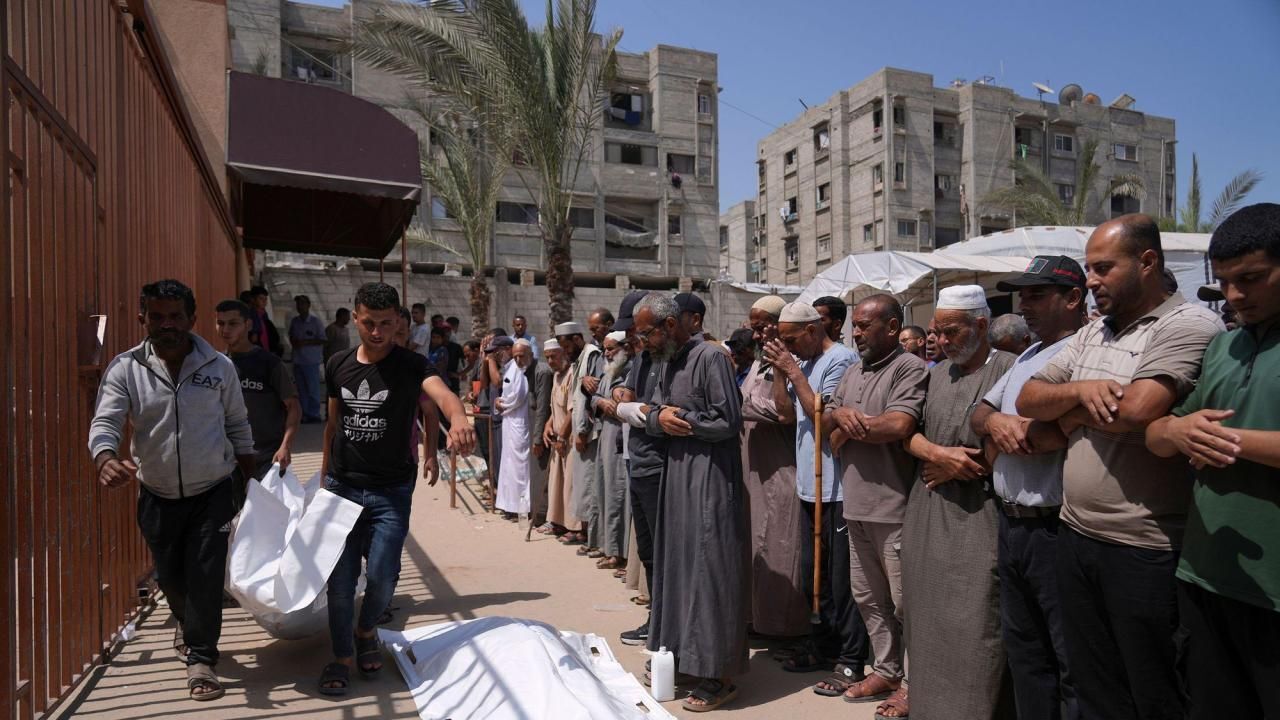
Hospitals, medical centers, and healthcare staff have become central targets in what many are calling a "medicide" campaign—part of a broader genocide strategy by Israel. Nearly two years of war have devastated Gaza’s healthcare infrastructure, adding more names to the growing list of martyred Palestinian doctors.
One of the latest was Dr. Marwan Al-Sultan, a 49-year-old cardiologist and director of the Indonesian Hospital in Beit Lahia, who was killed in an Israeli strike last week.
Al-Sultan was revered in Gaza’s medical community for refusing to abandon his hospital, even under siege. He had openly spoken on social media about the risks faced by health workers under Israeli attacks.
He was the final director of the Indonesian Hospital, the largest in northern Gaza, before it shut down in early June due to a siege.
In a video from May, Al-Sultan had described the dire situation his staff faced, vowing to continue supporting patients and civilians.
Dr. Mohammad Al-Assi, a colleague who studied with Al-Sultan in Jordan, said: “He had many opportunities to practice abroad but chose to return to Gaza in 2019 to serve his people. Inspired by him, I also returned.”
Al-Sultan was killed alongside his wife, daughter, and son-in-law in a missile strike on their apartment. His other daughter said the family had already been displaced from their home.
His son Ahmed, a medical student, vowed: “God willing, I will continue my father’s path.”
When asked about the targeting of Al-Sultan, the Israeli military claimed regret for harming "unrelated individuals" and said the matter would be investigated.
The head of the Indonesian humanitarian organization that funded the hospital stated clearly: “Al-Sultan’s death was not a collateral incident.”
Just one day before his death, Al-Sultan had been in contact with Dr. Mohammad Abu Salmiya, director of Gaza’s largest hospital, Al-Shifa, discussing plans for medical contingency support.
Dr. Abu Salmiya described Al-Sultan’s loss as an irreplaceable void. “He was one of just two cardiologists. With his death, thousands will suffer.”
He also warned it would take years to train a new generation of specialists to replace those lost in the war, at a time when the need is greater than ever.
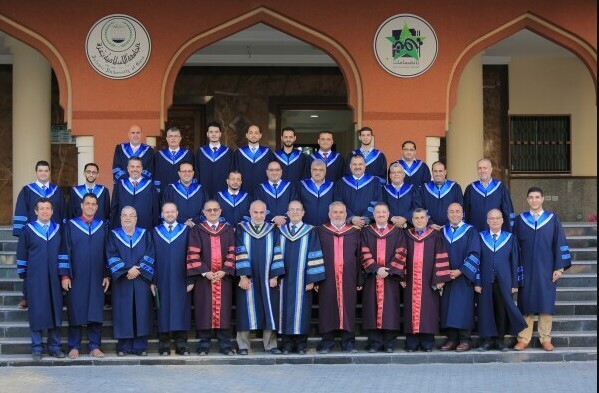
In a 2020 photo of 30 Palestinian doctors from the Islamic University’s medical school, at least five have been killed in this war—either by bombardment or torture while in custody.
Among them:
- Dr. Adnan Al-Barsh, former head of orthopedics at Al-Shifa Hospital, died in Israeli custody. Palestinian officials and rights groups blame torture and mistreatment. His body has not been returned despite repeated requests.
- Dr. Hummam Al-Louh, a nephrologist, was killed in a November 2023 airstrike on his home with his family.
- Dr. Mohammad Dabour, Gaza’s first oncologist, was killed in October 2023 with his father and son.
- Dr. Rafat Lubbad, head of internal medicine at Al-Shifa and one of Gaza’s few autoimmune specialists, was martyred in a November 2023 airstrike along with seven family members.
The fact that several of these attacks occurred outside of working hours raises suspicions of deliberate targeting.
According to the United Nations, over 1,400 Palestinian healthcare workers have been killed since October 2023. Israel has consistently attacked or besieged hospitals under unsubstantiated claims of their use for military purposes.
WHO has recorded nearly 700 attacks on healthcare facilities in Gaza since the war began.