Beit Hanoun emerges as focal point in Gaza war amid Hamas tactical shifts
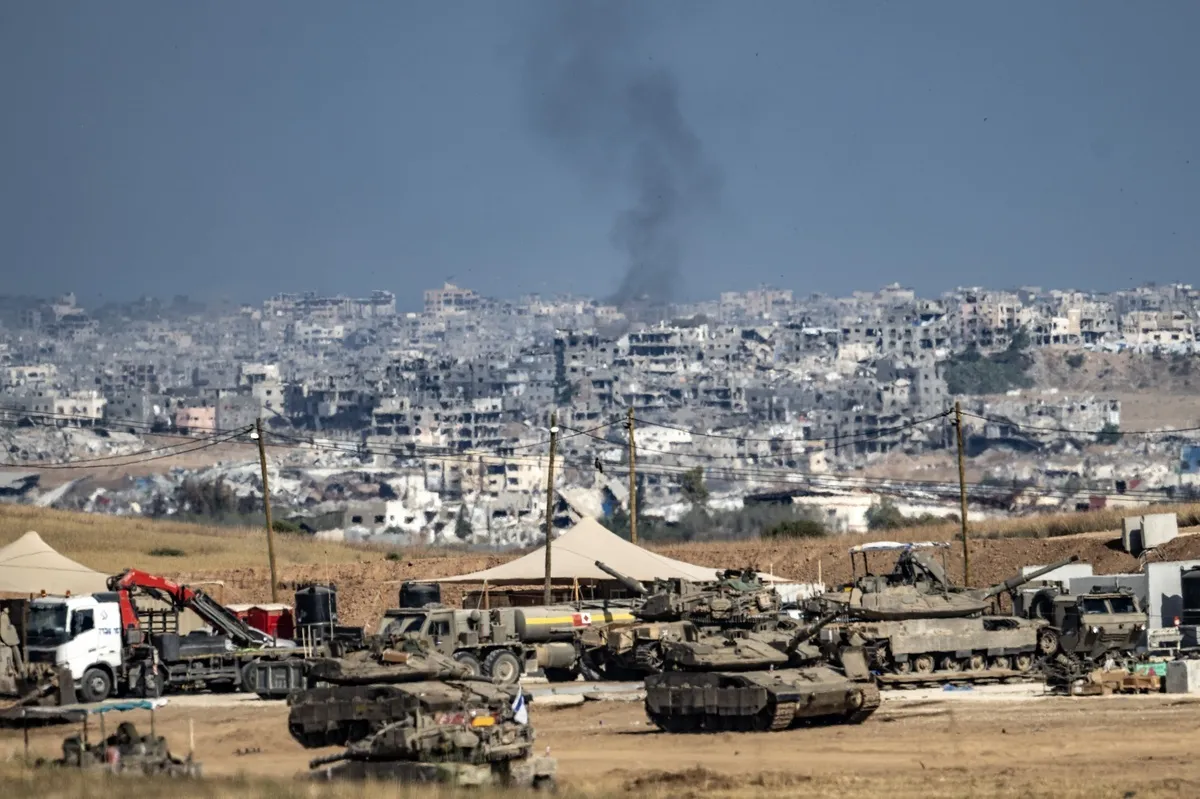
Doron Kadosh, a correspondent for Israeli Army Radio, analyzed Monday night’s intense Hamas resistance operation in Beit Hanoun and addressed the key threats that continue to endanger Israeli soldiers—even after more than 600 days of military aggression against the Gaza Strip.
He highlighted three critical points regarding the Beit Hanoun operation:
1. The primary threat – Improvised Explosive Devices (IEDs):
According to statements from top Israeli commanders, improvised explosive devices remain the greatest threat to Israeli forces in Gaza. Data shows that over 70% of Israeli ground operation casualties in recent months have resulted from such explosions.
2. Behavioral shift among Hamas fighters in recent weeks:
The Israeli army has observed a rise in bold and daring tactics by Hamas fighters. They are increasingly emerging from tunnels, engaging Israeli troops directly, and opening fire from ambushes—even when aware that doing so could expose their locations. This shift appears to be driven by a willingness to take greater risks in pursuit of more significant gains on the battlefield.
3. The strategic significance of Beit Hanoun:
Located less than 3 kilometers from Sderot, Beit Hanoun has been captured multiple times by Israeli forces over the past two years, with dozens of military operations taking place there. Yet two developments are noteworthy:
- Each time Israeli forces withdraw from Beit Hanoun, Hamas fighters return and reestablish their presence.
- Even during ongoing Israeli operations, the army has noticed that Hamas has strengthened its foothold in the area, likely through the use of underground tunnels. These tunnels have enabled Hamas to maintain Beit Hanoun as an active frontline zone, making it a critical focal point of the conflict and a significant intelligence and military challenge for the Israeli army.