Shocking confessions of civilian massacres and terror tactics by Monafeghin Terrorist Group
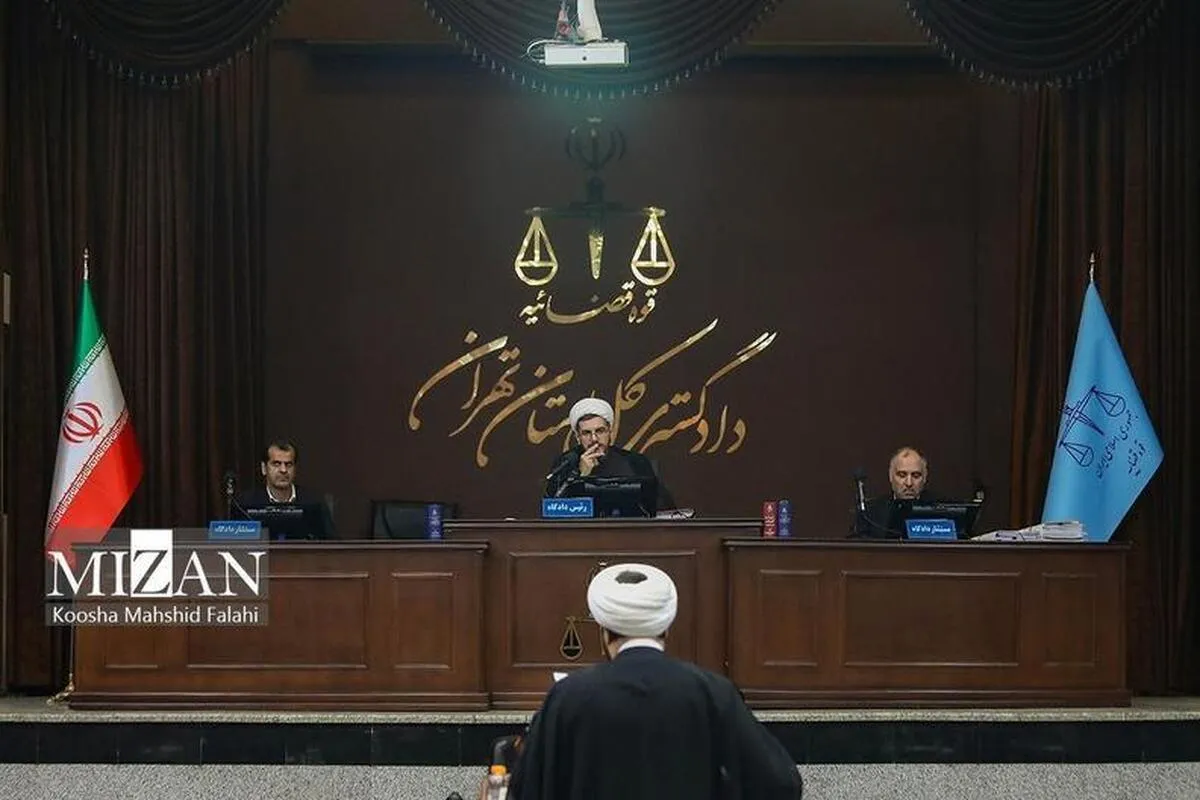
Presided over by Judge Amir Reza Dehghani, with court advisors Morteza Turk and Amin Naseri, the public session was held at the Imam Khomeini Judicial Complex, attended by prosecutor representative Vaziri, families of martyrs, their lawyers, and defense attorneys for the accused.
Judge Dehghani declared the court officially in session and invited the complainants’ lawyer to present their case.
Lawyer Massoud Maddah, representing the complainants, stated: “After the people rejected the Monafeghin and chanted ‘Death to the Monafeghin,’ the organization resorted to terrorist acts to maintain its political relevance. Their terrorist operations were called ‘engineering operations.’ One of their terrorist tactics was targeting civilians. Parvin Partovi, alias Maryam, a member since 1979, explicitly stated that the organization ordered them to go to the streets and shoot at civilians, claiming this would attract people to the Monafeghin and topple the regime.”
He continued: “She admitted they repeatedly went to the streets and opened fire, but no one joined them, and people chanted ‘Death to the Monafeghin,’ forcing them to massacre civilians. In her confessions, she said the Monafeghin’s crimes align with imperialist agendas, launching a propaganda campaign to revive their dying movement through force.”
Maddah added: “The Monafeghin falsely claims its members as martyrs and alleges that the regime’s committees arrested and tortured them. Valiollah Safari, a former member, recounted an operation on October 5, 1981, where they were told it was the day the regime would fall, and they were instructed to head to the radio and television building after victory. Afshin Baradaran said each unit in this operation had four members, each carrying four weapons and about 500 rounds of ammunition. Sohrab Sepehri, alias Maziar, a member since 1980 arrested in a safe house, confessed to an operation involving throwing a grenade into a chandelier shop on Hafez Street. They initially retreated due to the presence of civilians, but their commander, upset, ordered them to return, saying it didn’t matter if four civilians were killed. They returned and threw a combat grenade into the shop.”
Maddah stated: “The Monafeghin’s actions mirror those of terrorist groups like ISIS, executing victims with a final shot, abducting, or burning bodies—crimes committed by Rajavi, the Monafeghin’s leader, and his followers in our country.”
He continued: “Hossein Sheikh-ol-Hokama, another former member, said their terrorist operations aimed to instill fear in the hearts of the Islamic Republic’s supporters to push them toward the Monafeghin, warning that those who didn’t learn from these assassinations faced death. Mohammad Kalantari, alias Manouchehr, a team commander in 1980–81, confessed to assassinating a worker in a laundry shop, an elderly shoemaker, a bicycle repairman, and a carpet seller. He admitted their commander ordered them to kill motorcyclists who resisted revolutionary confiscation of their bikes.”
Maddah noted: “Other former members like Abbas Sahraei and Abdolkarim Moazzez confirmed these accounts. Sahraei said they assassinated a shopkeeper selling dried fruits simply because his shop displayed pictures of Imam Khomeini or Martyr Beheshti.”
He highlighted a specific atrocity: “On April 7, 1982, a seven-member Monafeghin terrorist cell blocked the road between the village of Qadikala and Qaemshahr, stopping vehicles, forcing women, girls, and others out, isolating those with religious appearances, and opening fire. This terrorist attack martyred three individuals: Hossein Mozaffari, Jamshid Khodaparast, and Mohammad Ali Haghpanah.”
Maddah argued: “The material and intentional elements of the crimes, including murder and waging war against the state, under Articles 290 and 279 of the Islamic Penal Code, are proven against the perpetrators. In submissions filed on February 16 and February 2024, I outlined seven reasons attributing these acts to all defendants and the Monafeghin’s legal entity, supported by witness statements and confessions.”
He further stated: “The Monafeghin’s terrorist training manuals, distribution of weapons and ammunition, establishment of safe houses, and direct orders from Massoud Rajavi, who was indulging in luxury in France, to assassinate civilians are critical evidence. The Monafeghin’s official publication, Mujahid, and the newsletter of the Monafeghin -affiliated National Conference of Iranian Students’ Associations openly boasted about the Qadikala attack as a ‘heroic operation’ in issues 143 (pages 10, 19), 44 (page 10), 46 (pages 56, 11), and 47 (page 8).”
Maddah concluded: “Yes, you call yourselves heroes for martyring defenseless people in the streets—people without weapons or means to defend themselves, from elderly shoemakers to grocers, chandelier sellers, construction workers, students returning from school, and even young children.”