Head of Judiciary: The world should be ashamed of its silence and inaction regarding the events in Gaza
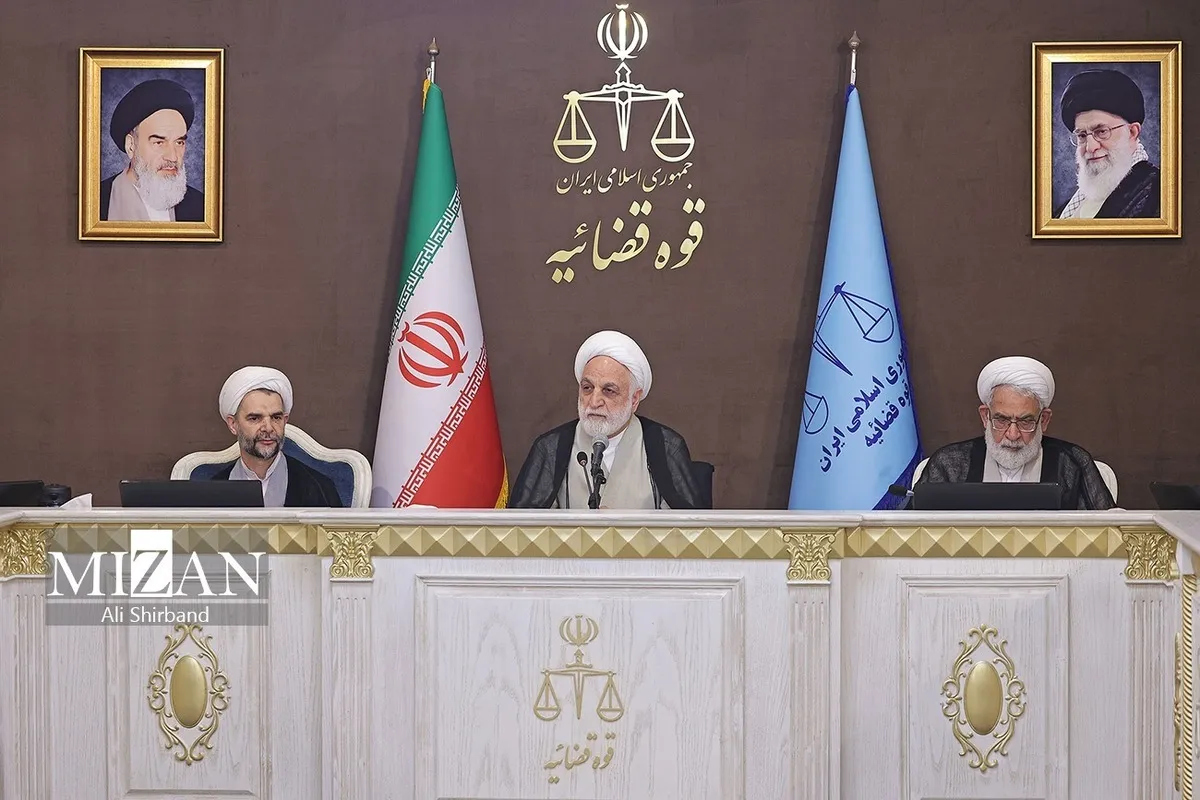
According to the Judiciary Media Center, Mohseni Ejei, speaking on Monday during a meeting of the Supreme Council of the Judiciary, referred to the first conference of heads of justice departments across the country, themed “Judicial Oversight and Establishing Uniform Judicial Procedures by the Supreme Court.” He said: Holding conferences with judicial authorities and officials must yield clear and reliable outcomes. These conferences should lead us to a unified approach and shared understanding of judicial and legal issues. Moreover, the resolutions and decisions made in such conferences should be translated into guidelines to serve as a roadmap for judges to issue more robust and well-founded rulings.
The Head of the Judiciary, elaborating on the legitimate expectations that the Leaders of the Revolution and the public have had from the judiciary over time and presently, emphasized: Although justice is not solely the judiciary’s responsibility, and other sectors and institutions also have duties in this regard, one of our main legal responsibilities is to achieve and expand justice. We must thoroughly and comprehensively assess how successful the judiciary has been in this critical task.
The Chief Justice stated: We have repeatedly emphasized that respecting clients is a fundamental principle in the judiciary. We must treat people and judicial clients with dignity and handle their matters promptly and accurately. Delays in processing clients’ cases are not permissible under any circumstances. Sometimes, by adopting measures and arrangements, we can eliminate unnecessary processes in judicial proceedings to resolve people’s cases more quickly. One aspect of public satisfaction and client respect is the swift and precise handling of their matters and preventing prolonged litigation.
Referring to the necessity of a scientific, comprehensive, and prudent fight against various forms of corruption, the Chief Justice said: Combating corruption, rent-seeking, and favoritism is one of the legitimate expectations from the judiciary. Over the decades, we have experienced fluctuations in our actions and statements in this area. At times, we have labeled something as corruption in one context but not in another; in some cases, there has been consensus on the occurrence of corruption, but differences in approaches to addressing it. In any case, we must align our approaches and perspectives. We should examine whether the methods used to combat economic corruption can also address cultural and political corruption. Is there no need for transformation in laws, regulations, methods, and anti-corruption training?
Mohseni Ejei added: Not only in the fight against corruption but perhaps also in recruiting and selecting judicial personnel, we may need transformation. Can we still attract and select committed and specialized personnel using the methods and tools from two decades ago? Do we not need transformation in our recruitment processes and in-service training to attract and employ elite talent?
The Head of the Judiciary continued: Even adversaries have evolved in their tactics and methods of enmity. If our competent judges are not familiar with these tactics and strategies, can they issue comprehensive and accurate rulings when handling cases involving such elements?
The Head of the Judiciary said: I accept that creating transformation in some of these areas requires amending or enacting laws, but sometimes, through ideas, creativity, and innovation, we can transform processes in a way that benefits the people and enhances the judicial system in the Islamic Republic of Iran.
Referring to the need for a preventive approach in protection and intelligence matters, the Chief Justice stated: In protection and intelligence affairs, a preventive and healing approach should prevail. In the Islamic Republic of Iran and its judiciary, we aim to reform offenders. Sometimes, a timely action or a preventive, healing approach can stop a wound from spreading and becoming infected. Unfortunately, sometimes we fall short in this regard, and when the infection spreads throughout the body, amputation is prescribed!
The Chief Justice emphasized: We must avoid distractions as much as possible. Sometimes, an unthoughtful statement can create controversies that divert us from our core mission of addressing people’s matters swiftly and accurately.
In part of his speech at today’s meeting, Mohseni Ejei referred to the dire situation in Gaza due to the ongoing crimes of the Zionist regime, stating: The world should be ashamed of its silence and inaction regarding the events in Gaza. The Zionist killing machine, savagery, and genocide continue unabated, with no global reaction to deter it. A UN official has called Gaza the hungriest place in the world, where all residents are on the brink of complete famine. Truly, shame on the supporters of the savage Zionist regime and all those who, with their silence, endorse the crimes of this brutal regime.