Gharib Abadi: Western countries cannot tolerate scrutiny of the negative impacts of unilateral sanctions on people
Sanctions and unilateral coercive measures are among the most significant factors violating the human rights of individuals under sanctions; these coercive measures deprive citizens of targeted countries of their human rights.
Despite the evident negative and destructive impacts of these measures, sanctions remain a political tool in the hands of some Western countries.
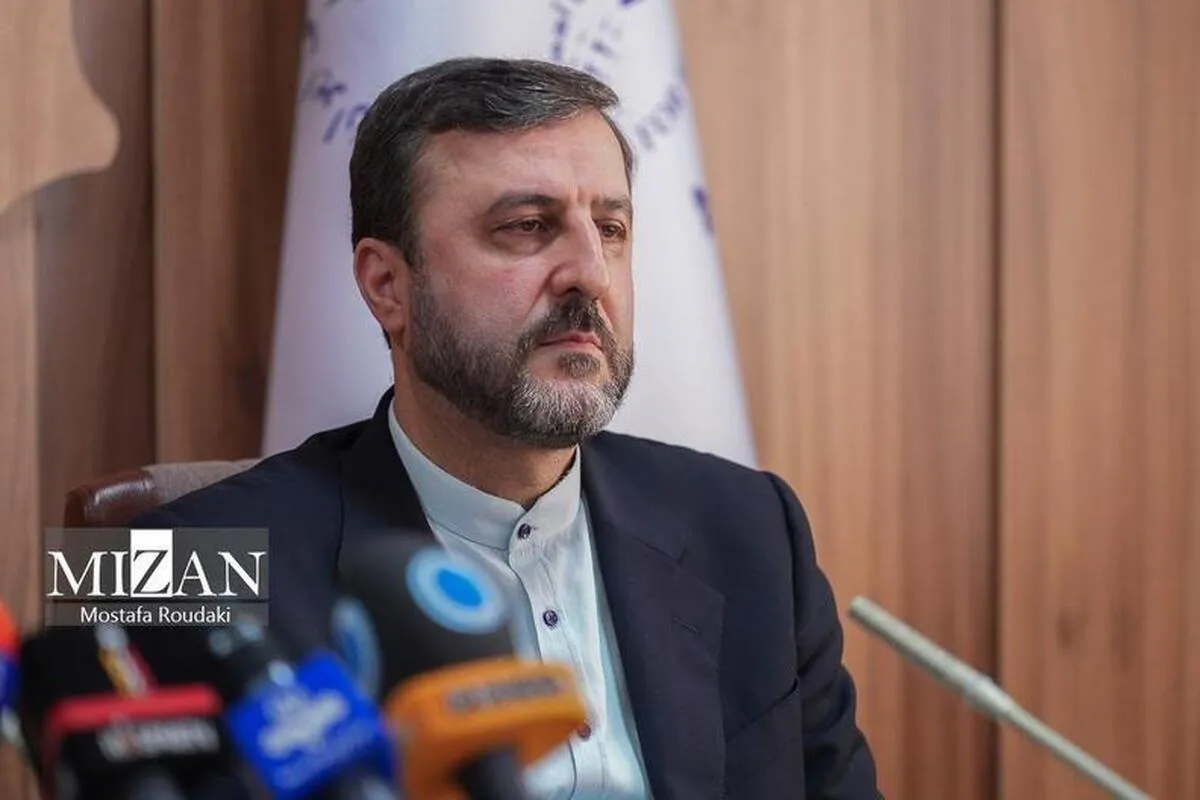
In this regard, Kazem Gharib Abadi, in an interview with Mizan, described highlighting the responsibility of countries imposing and enforcing unilateral sanctions as an important and necessary step to counter the instrumental use of sanctions.
Referring to a recent meeting with Alena Douhan, the UN Special Rapporteur on the impact of unilateral sanctions and coercive measures on human rights, he said: Ms. Douhan visited Iran a couple of years ago, and after conducting visits and working sessions, she presented a very appropriate report to the UN on the negative impacts of sanctions on human rights and the rights of the Iranian people.
Gharib Abadi, noting that the Islamic Republic of Iran is one of the countries subjected to unjust and unilateral sanctions, asserted: We, along with developing and non-aligned countries, have always supported the mandate of the Special Rapporteur on countering unilateral sanctions, but Western countries and the United States voted against extending this mandate.
According to the Deputy for Legal and International Affairs of the Ministry of Foreign Affairs, Western countries cannot tolerate a UN Special Rapporteur addressing the negative impacts of unilateral sanctions on the people of sanctioned countries.
Gharib Abadi emphasized that countries like the Islamic Republic of Iran have consistently supported such mandates, stating: One of the most important tasks in the area of unilateral sanctions, which I also emphasized in my meeting with Ms. Douhan, is highlighting the responsibility of countries imposing and enforcing unilateral sanctions and the legal actions that sanctioned countries can pursue.
He further noted: Ms. Douhan can encourage countries to file various lawsuits in national and international courts against those imposing and enforcing sanctions.