Rising Palestinian deaths amid escalating hunger crisis in Gaza
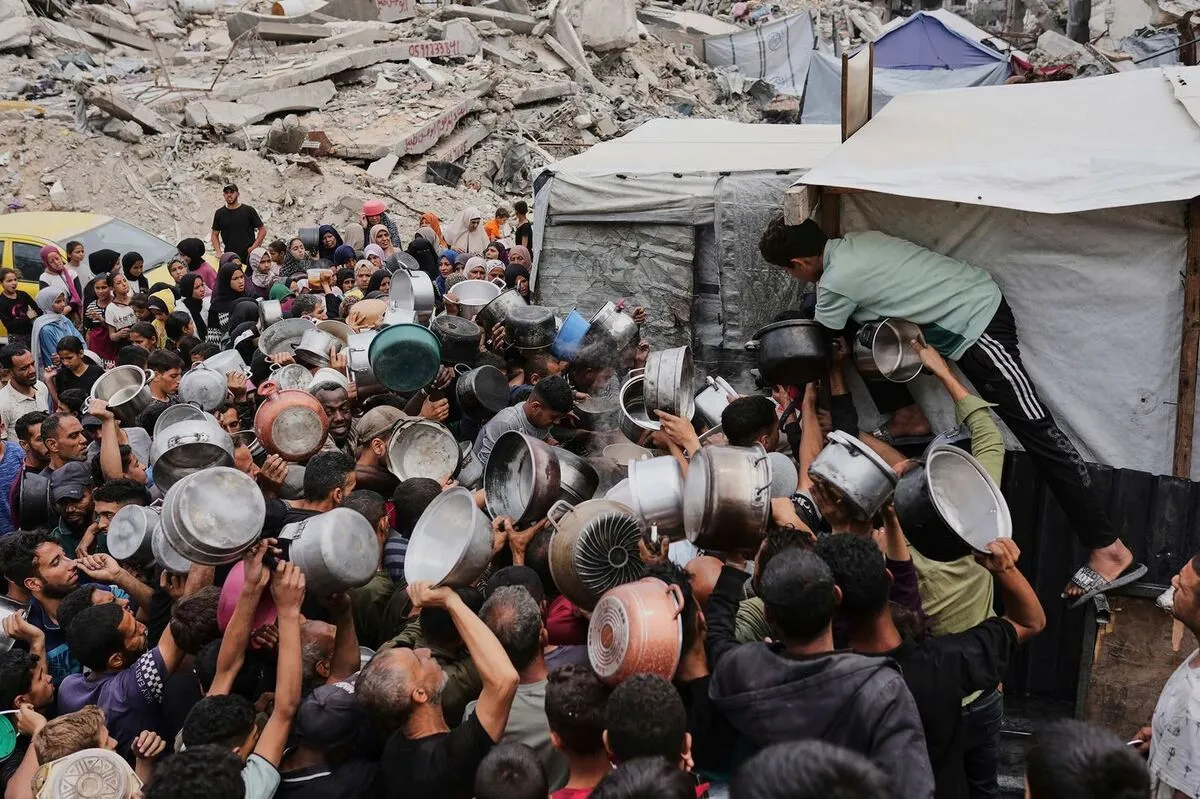
Mortality rates among the elderly, children, and patients in Gaza have risen alarmingly due to starvation, malnutrition, and lack of medical care, driven by conditions created by Israel’s actions aimed at exhausting the Palestinian population.
These conditions include deliberate starvation, severe suffering, and systematic denial of healthcare, coupled with a complete siege—all part of an ongoing genocidal campaign now in its 19th consecutive month.
The Euro-Mediterranean Human Rights Monitor (Euro-Med Monitor) documented the deaths of 26 Palestinians, including 9 children, in just 24 hours. These deaths result from Israel’s deliberate policy of using starvation and denial of medical care to kill Palestinian civilians. The severe siege, in place since March 2, disproportionately targets the most vulnerable, turning a man-made humanitarian catastrophe into a primary tool of destruction.
Due to starvation and the collapse of healthcare services in Gaza, there has been a significant increase in deaths among the elderly, children, and those with chronic illnesses.
Gaza’s healthcare system has been systematically dismantled through a combination of siege and direct targeting, forcing hospitals like the European Gaza Hospital in the south and the Indonesian Hospital in the north to shut down completely. All remaining medical facilities face severe challenges.
The lack of an effective system in Gaza’s Ministry of Health to monitor these deaths means many are officially recorded as natural causes, though they directly result from deliberate starvation policies and the systematic collapse of the healthcare system.
Israel’s clear pattern of deliberate killing
Human rights groups emphasize that Israel’s clear pattern of deliberate killing is prohibited under international humanitarian and criminal law.
Euro-Med Monitor’s field team collected harrowing testimonies from elderly individuals forcibly displaced under Israeli evacuation orders while starving. Abdul Salam Qadih, 76, said: “I live in a tent near my destroyed home in Abbasiya (east of Khan Younis). The Israeli army issued a map ordering us to evacuate. I couldn’t carry anything. I walked for 3 hours, despite not eating for a full day, until I reached Al-Mawasi in poor condition. I couldn’t even bring medication for my chronic illness.”
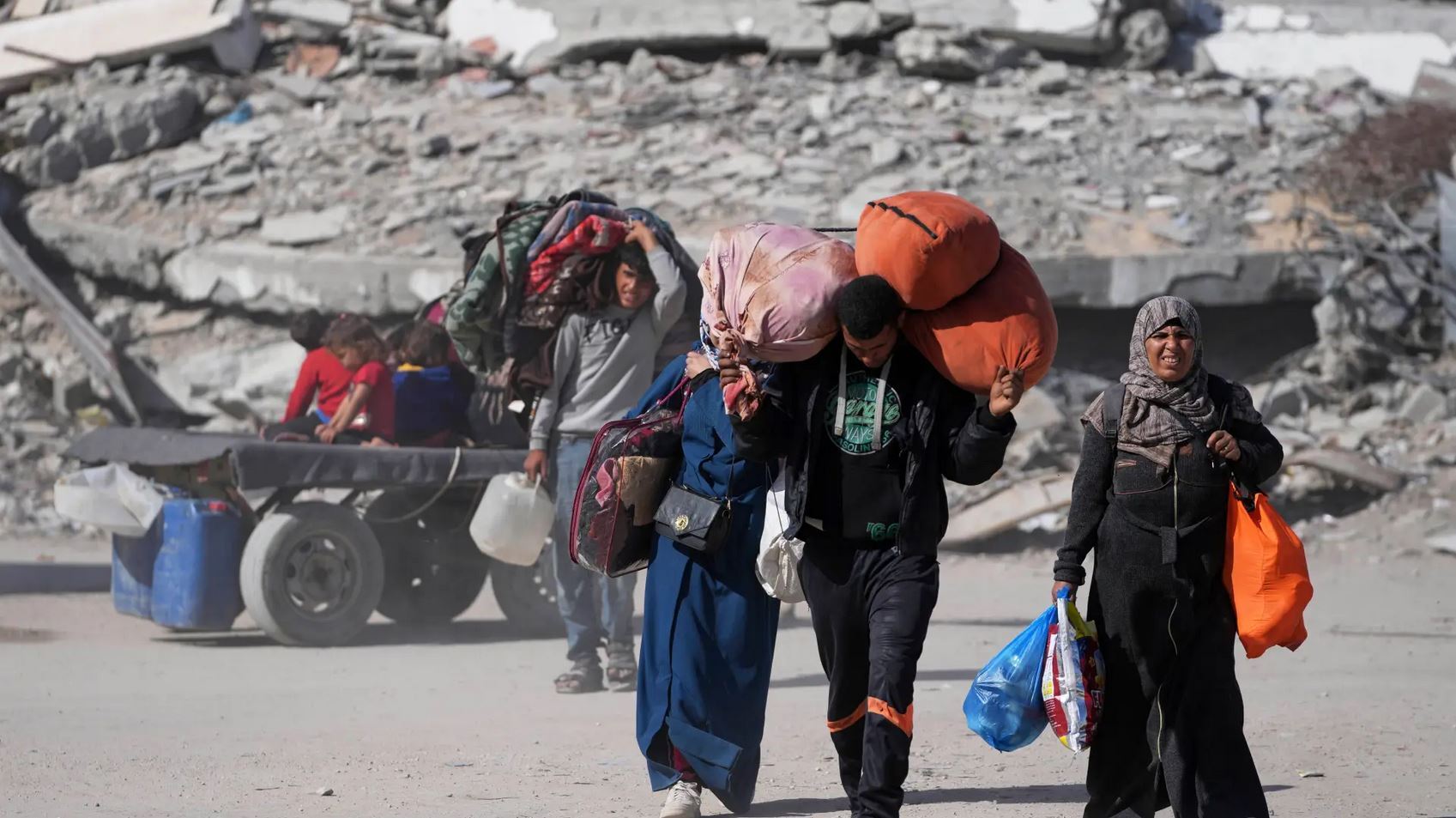
An elderly man from Gaza City’s Shujaiya neighborhood, leaving the area in a wheelchair due to an Israeli evacuation order, said while crying: “I haven’t eaten anything for 2 or 3 days. I just want a piece of bread.”
Widad Al-Samiri, 73, from northeastern Khan Younis, fled with her family, walking several kilometers without taking anything. She said: “There’s no food left for us. For days, we’ve been eating half a small meal. The children are dehydrated. Displacement has worsened our suffering. Why are we repeatedly starved and displaced? Is there anyone to help us?”
Israel’s claim of allowing aid into Gaza
Human rights and monitoring organizations report no tangible evidence of the aid Israel claims to have allowed into Gaza. On the first day, only 5 trucks were reported to have entered Gaza.
It remains unclear whether these trucks, carrying only nutritional supplements and shrouds, reached Gaza or remain stuck at the Kerem Abu Salem crossing. According to the UN, this aid is merely a drop in the ocean of Gaza’s needs.
The situation is worsened by Israel’s continuous bombardment, which destroys homes, shelters, and scarce food supplies whenever people are forcibly displaced. Thus, families not only face bombardment but also the threat of starvation with each new displacement.
Serious crimes under the Rome Statute
These actions represent some of the gravest crimes under the Rome Statute of the International Criminal Court, classifying deliberate killing through methods like starvation and denial of medical care. When conducted as part of a widespread or systematic attack on civilians, such acts are recognized as war crimes and crimes against humanity, clearly describing Israel’s actions in Gaza.
Israel’s actions, including killing and causing serious physical or mental harm to members of a protected group and deliberately imposing living conditions aimed at their physical destruction (wholly or partially), meet the legal criteria for genocide.
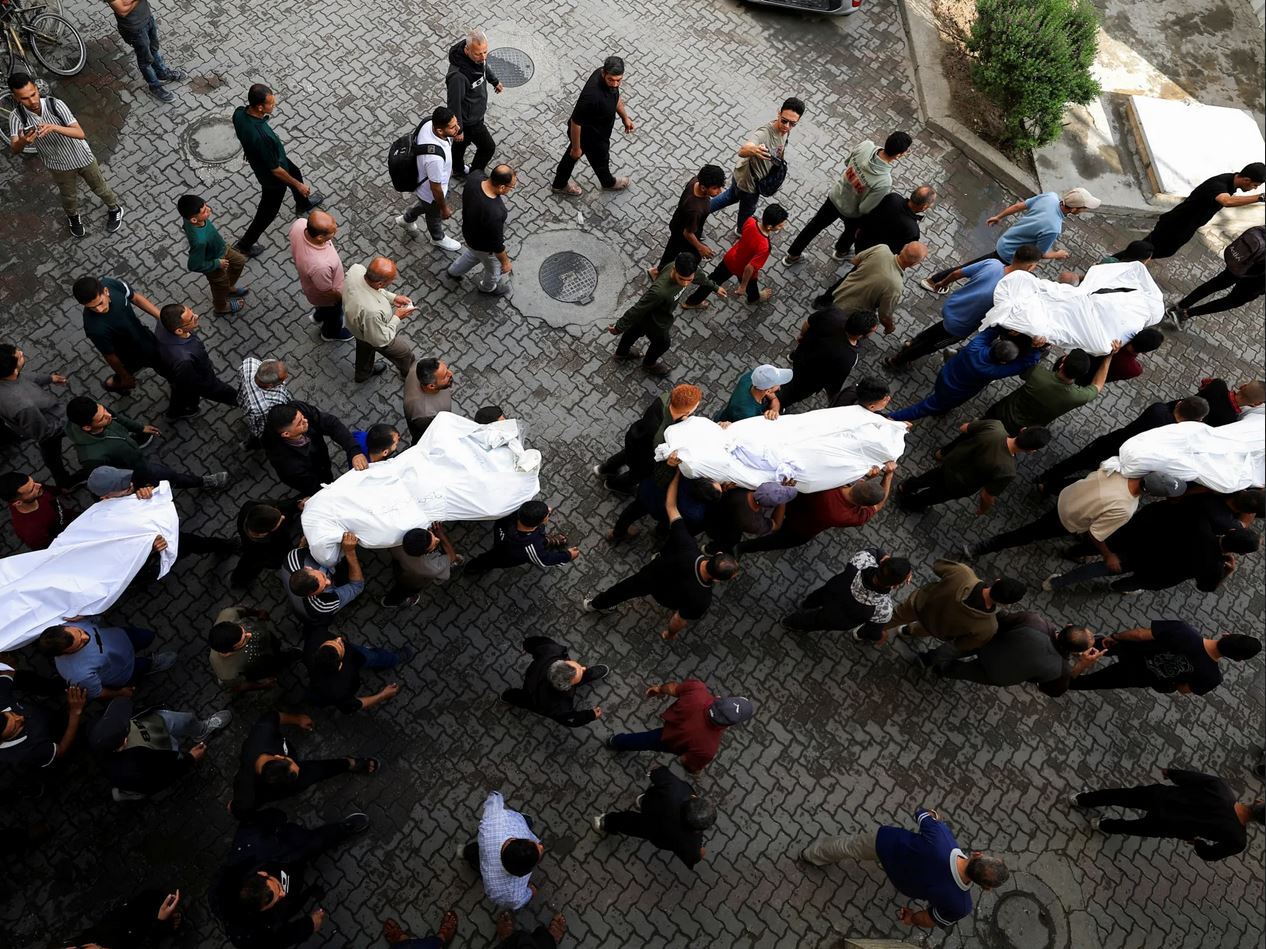
This genocide, ongoing for over 19 months, has openly targeted Gaza’s civilian population. The humanitarian crisis in the besieged region has reached catastrophic levels. Starvation now affects not only the most vulnerable but every segment of society amid the near-total collapse of essential services and the absence of basic necessities like food, healthcare, and shelter.
Israel’s illegal siege, in place before the genocide began in October 2023, combined with systematic restrictions on humanitarian aid and the deliberate destruction of Gaza’s healthcare system (especially over the past 70 days), has caused irreversible damage. The strip’s population of over 2 million faces widespread health consequences.
Human rights experts stress that the current mechanism proposed by Israel and the U.S. for humanitarian aid in Gaza is nothing more than a new maneuver designed to prolong the illegal and ongoing siege. This mechanism seeks to repackage the crime of starvation as a so-called humanitarian effort, thereby legitimizing the continued use of starvation as a weapon of genocide.