Catastrophic abuse of Palestinian female prisoners in Israel's Damon Prison
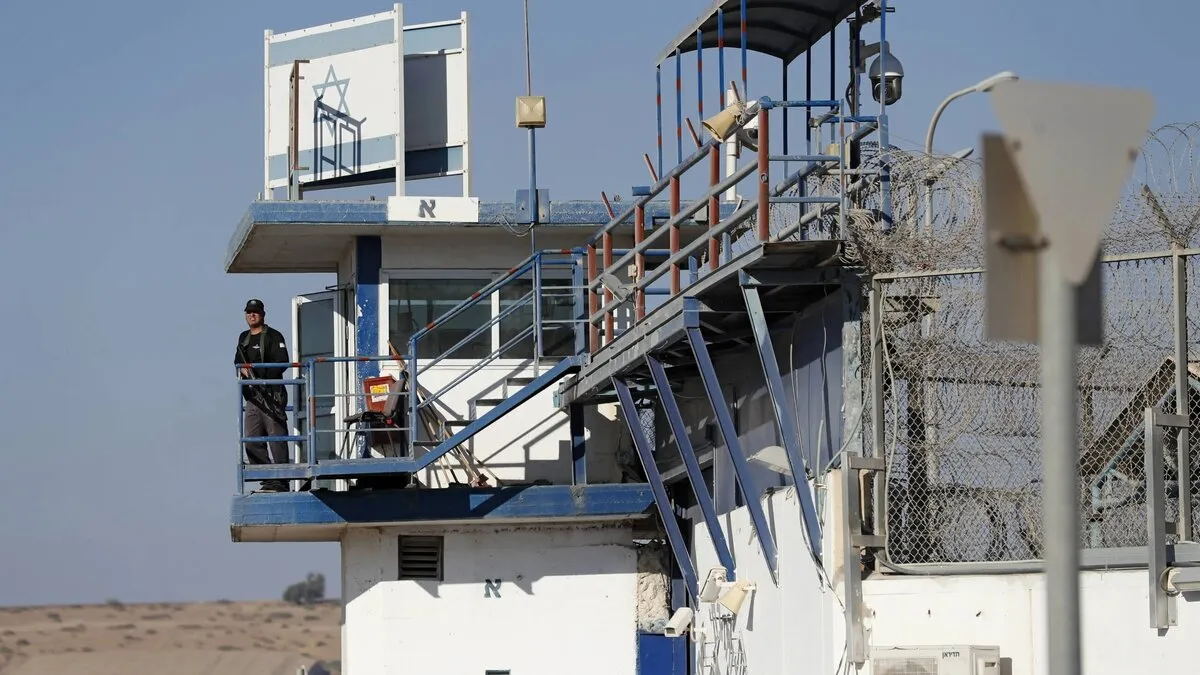
The Palestinian Prisoners' Club, in its latest report, detailed the dire conditions faced by female Palestinian prisoners in Damon Prison.
Moreover, Lawyers who have visited the prison report "shocking and horrific" accounts of abuse, including sexual harassment and threats of rape, particularly against women from Gaza.
The Palestinian Prisoners' Club and other organizations have called for urgent international intervention to address these violations, labeling them as crimes against humanity.
The key sections of this report are as follows:
Prisoner Numbers and Conditions:
Approximately 31 Palestinian women are detained in Damon Prison, confined to four small, overcrowded, and unsanitary rooms. These conditions lack basic necessities such as adequate food, clothing, and hygiene supplies. The cells are described as "burial chambers" due to their extreme confinement and lack of ventilation.
Frequent and Abusive Inspections:
Israeli forces have intensified inspections, with Room 5, where female prisoners are held, searched three times in a single week. These searches are often accompanied by harassment, including verbal abuse and physical mistreatment. Strip searches are reported as a regular practice, forcing women to remove all clothing under humiliating conditions.
Deprivation of Basic Rights:
- Timekeeping and Prayer: Clocks have been confiscated, and lights are turned off at 9:30 PM, making it impossible for prisoners to track time for prayers or meals.
- Clothing: Winter clothing has been seized, replaced with inadequate summer garments, leaving some women without proper attire
- Food Rations: Food is severely restricted, with each prisoner receiving only five pieces of bread daily, leading to hunger and significant weight loss. Testimonies indicate that meals are insufficient and of poor quality, causing digestive issues.
- Hygiene: Access to sanitary supplies, including prayer clothing, is limited. Some women use bed sheets for prayers due to the absence of appropriate garments. The lack of cleaning supplies has led to skin infections exacerbated by overcrowding.
Medical Neglect:
Many prisoners suffer from chronic illnesses, including leukemia and cancer, but face deliberate medical neglect. For instance, Fidaa Suhail Assaf, a 49-year-old detainee with leukemia, is reported to be receiving medication, but overall, medical care remains inadequate. Pregnant prisoners and those requiring urgent surgeries are particularly at risk.
Isolation and Psychological Torture:
The women are completely isolated from the outside world, with no access to family visits, communication, or legal representation for extended periods. This isolation, combined with systematic policies of humiliation, starvation, and psychological torture, is described as a deliberate strategy to break their spirit.