High Council for Human Rights Secretary: Good agreements reached with Iraqi counterparts
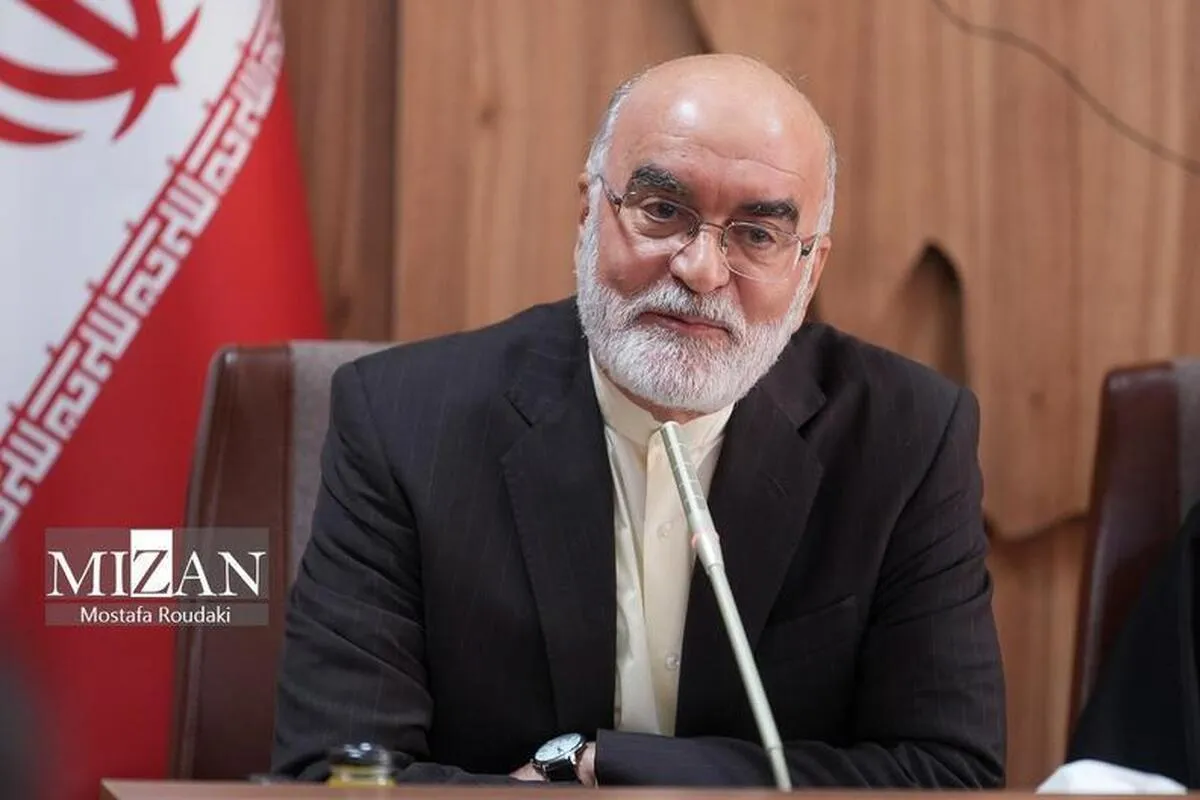
Nasser Seraj, Deputy for International Affairs of Iran's Judiciary and Secretary of the High Council for Human Rights, elaborated on the objectives and achievements of his recent visit to Iraq.
He stated: "The heads of the judiciary of both Iran and Iraq have met and held consultations in both countries, resulting in several resolutions. Following these interactions, an anti-terrorism committee was established, which has so far held four meetings in Iraq to follow up on these resolutions. The fourth meeting of this committee was held yesterday in Iraq to pursue these objectives."
The Secretary of the High Council for Human Rights added: "During the visit to Iraq, we signed four agreements on the transfer of convicts, extradition of criminals, criminal cooperation, and civil cooperation. We also met with the head of Iraq’s judiciary and other senior judicial officials."
Referring to his meeting and consultations with Iraq’s Prosecutor General regarding the extradition of criminals, the Deputy for International Affairs of Iran's Judiciary said: "As part of the assigned responsibilities, we also met with Iraq’s Minister of Justice regarding the transfer of convicts."
While explaining the Iran-Iraq anti-terrorism committee, he noted: "The deputy head of Iraq’s judiciary is the head of the anti-terrorism committee in Iraq, while the deputy head of Iran’s judiciary and the Secretary of the High Council for Human Rights chairs the committee in Iran. We raised and pursued numerous issues, and fortunately, Iraq’s senior judicial officials warmly welcomed the topics discussed."
Addressing the challenges faced by Iranian pilgrims traveling to Iraq, Seraj stated: "One of the recurring issues for our country is the situation of pilgrims throughout the year, particularly during Arbaeen."
He advised Iranian pilgrims: "Our pilgrims must ensure they have both entry and exit stamps. Our pilgrims obtain the exit stamp from the Islamic Republic of Iran, but some fail to get the entry stamp from Iraq, which creates problems for them. This issue causes difficulties for both the pilgrims and the judicial system of the destination country."
He continued: "Unauthorized entry into Iraq carries penalties, including imprisonment, and unfortunately, some of our dear compatriots have faced issues. We met with the head of Iraq’s Supreme Judicial Council, the Prosecutor General, and the Minister of Justice, raising these concerns. A crime consists of three elements: the legal element, the material element, and the mental element, which is intent. I emphasized that the mental element, or intent, is certainly absent in the case of our detained pilgrims."
The Secretary of the High Council for Human Rights noted: "With the warm reception of the issues raised by Iraqi authorities, God willing, extraditions will take place soon. We have previously facilitated extraditions on a limited scale, and recently transferred 50 prisoners to Iran. As for the rest, God willing, there will be no issues."
According to Seraj, good agreements were reached with the Iraqi side, with both parties agreeing that Iran would better inform its pilgrims and Iraq would instruct its border officials to ensure entry stamps are placed on Iranian pilgrims’ passports.
In response to a question about measures for pilgrims who faced issues in recent or past years, he said: "We no longer have significant problems regarding these pilgrims; almost all issues have been resolved."
Seraj added that during the Iranian delegation’s visit to Karbala, at the directive of the head of Iraq’s judiciary, a meeting was held with the head of Karbala’s judiciary to discuss pilgrim-related issues. This process was also carried out in Najaf.