From protest to punishment: How US universities silence pro-Palestinian voices
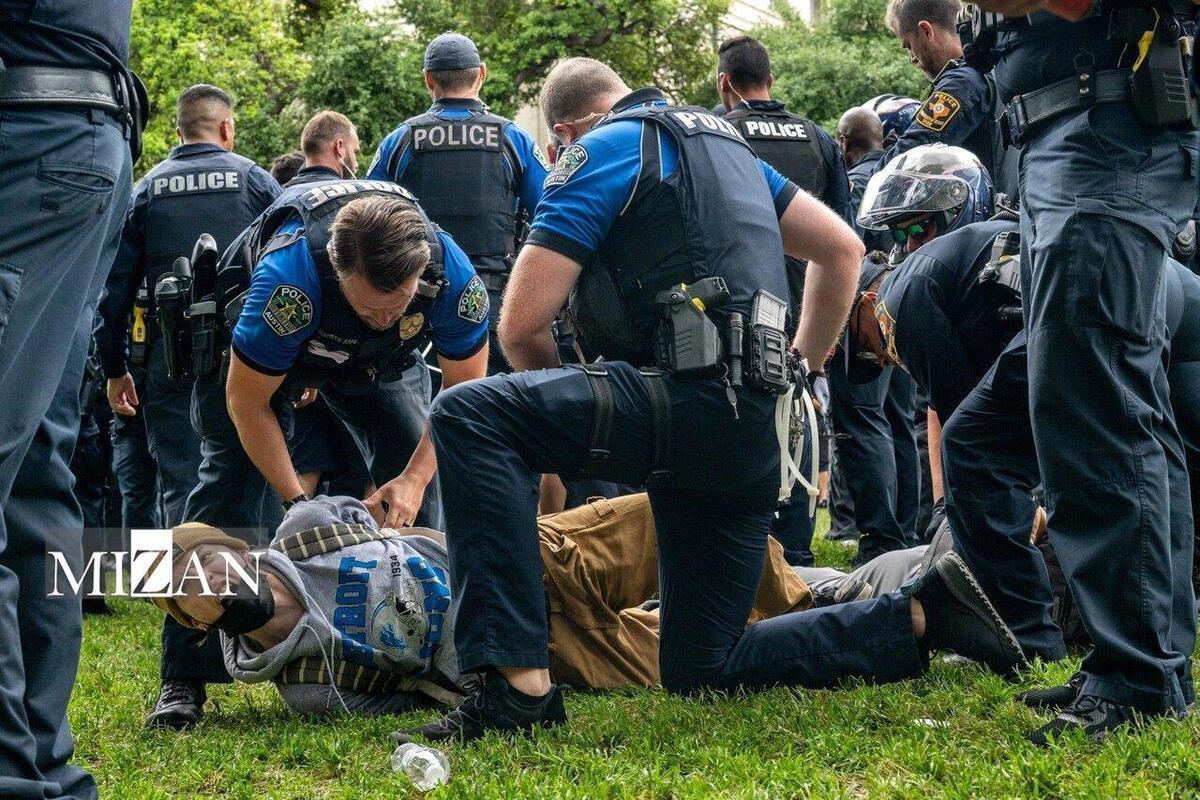
The repression of pro-Palestinian supporters at US universities intensified throughout 2025. This crackdown has included suspensions, expulsions, surveillance, new restrictions on protests, and pressure from the US government—measures that are typically justified under the claim of combating what is described as antisemitism.
Numerous reports indicate that these actions have threatened freedom of expression and academic freedom, largely targeting students and faculty who support Palestinian rights.
In one of the latest cases of systematic repression, the University of Arkansas removed Shirin Saeidi, an assistant professor of political science and director of the Middle East studies program, from her administrative position.
The Washington Post reported that the Iranian professor was accused over what was described as criticism of the Israeli regime.
According to the report, Saeidi had previously posted messages on the social media platform X criticizing what she described as Israel’s genocide in Gaza and labeling the regime as terrorist.
The annual report titled Free to Think 2025 documented 395 attacks on students, faculty members, and educational institutions in 49 countries between July 2024 and June 2025. The report points to an increase in systematic repression of pro-Palestinian students and professors in the United States, including suspensions, expulsions, and legal pressure on academic activists who protested against Israel’s genocide in Gaza.
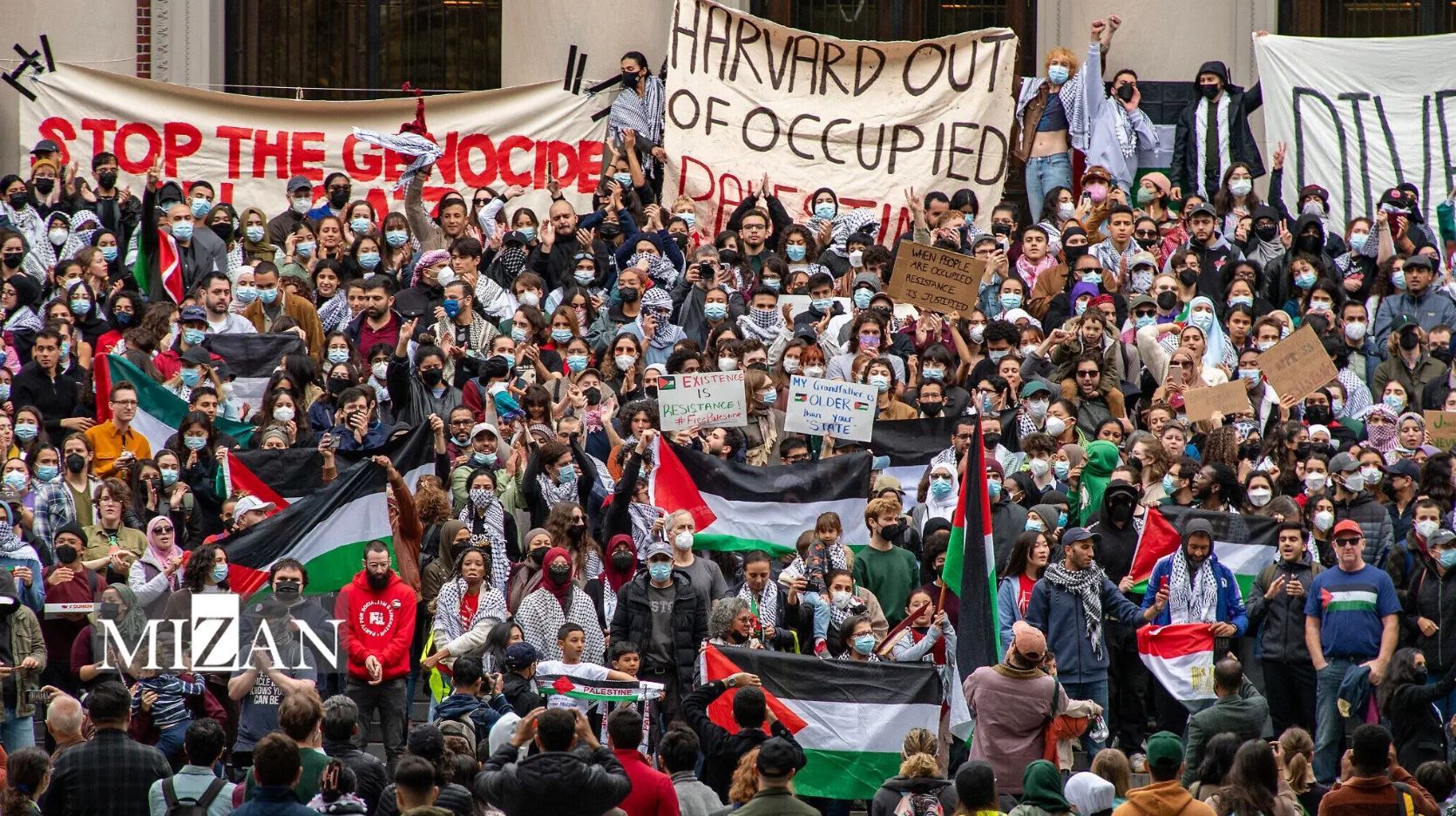
These attacks have escalated in the United States and include political pressure aimed at silencing dissenting voices.
The American Association of University Professors (AAUP), in its November 2025 report, also referred to the unlawful suppression of pro-Palestinian students at the University of Maryland.
The report reviewed more than 100 cases of investigations and suspensions of students and faculty at US universities, most of which were related to protest activities against Israeli policies. Universities shared student data with US law enforcement, a move described as a violation of free speech rights.
In October 2025, five United Nations human rights experts sent strongly worded letters to several universities condemning the repression of pro-Palestinian protests. The letters referred to the arbitrary detention of foreign pro-Palestinian students, visa cancellations, and pressure on faculty members. They described these measures as disproportionate, discriminatory, and creating a climate of fear on US campuses.
The New York–based NGO ADL reported in November 2025 that since October 2023, more than 50 student groups at dozens of US universities have been banned, temporarily suspended, or disciplined—primarily due to anti-Zionist activities.
Critics view this approach as part of a systematic crackdown on the pro-Palestinian student movement, including political pressure exerted by the Trump administration.
Meanwhile, the organization Palestine Legal reported in April 2025 that requests for legal assistance from individuals targeted for supporting Palestine increased by more than 50 percent, surpassing 2,000 cases.
About two-thirds of these cases involved universities, including new disciplinary processes with limited safeguards, such as secret committees at Columbia University that suspended foreign students. The report described these actions as attempts to appease the Trump administration and its right-wing supporters.
In December 2025, Sang Hea Kil, a tenured professor of justice studies at San José State University, was fired for supporting Palestine. This marked the first dismissal of a tenured professor at a public university for protesting the genocide in Gaza.
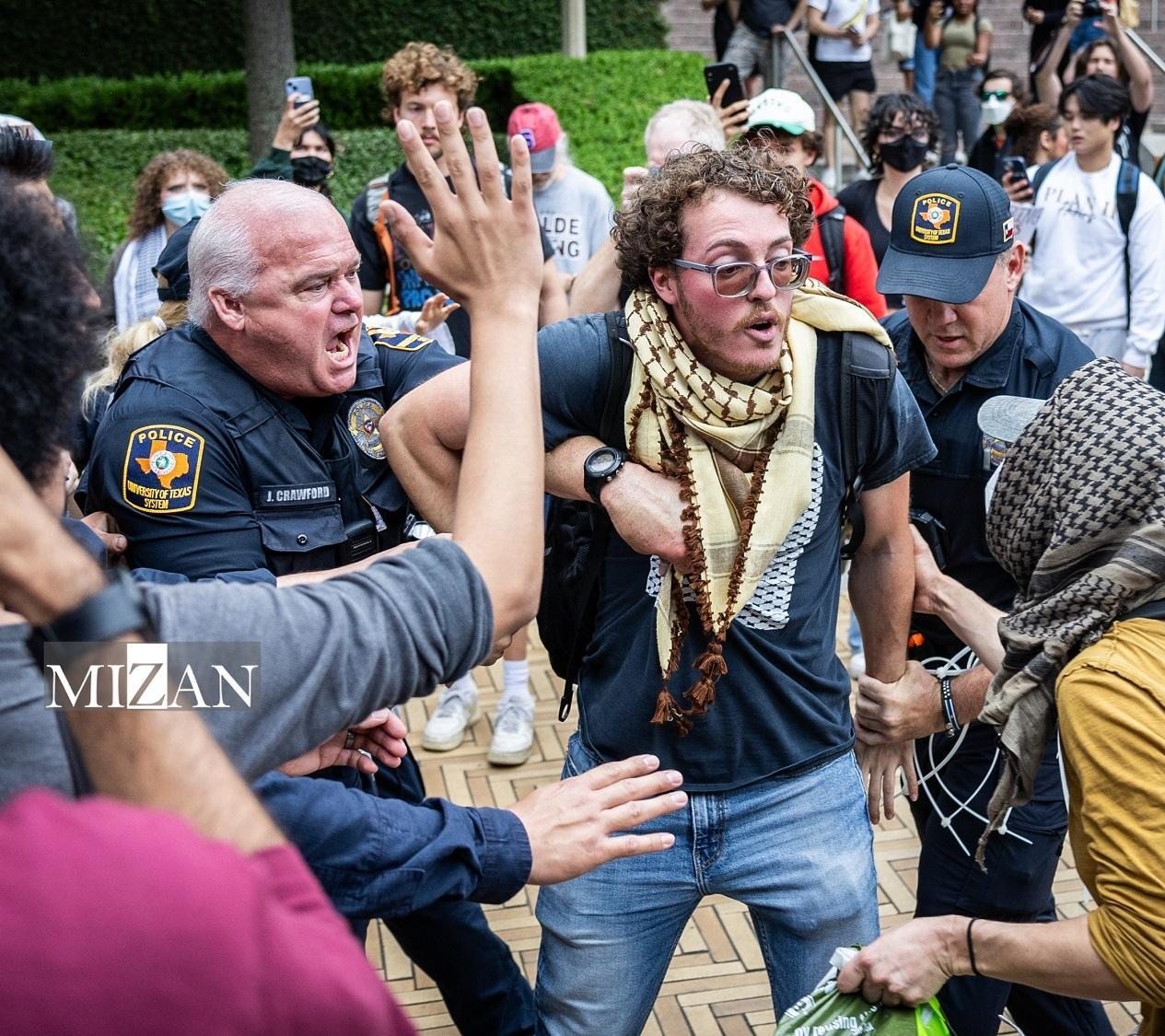
The university claimed that Kil had disrupted campus operations, while Kil described the move as a violation of free speech outside the classroom. Similar cases include the dismissal of Maura Finkelstein from Muhlenberg College and the forced resignation of Katherine Franke from Columbia University.
Previously, universities such as the University of Chicago and New York University suspended students for peaceful protests and shared their data with US law enforcement.
UN experts warned that the expulsion of international students who support Palestine—such as visa cancellations by the US government—fuels polarization and violates freedom of expression.
These measures affected more than 60 students at Brown University and created a climate of fear.