Israeli army on the brink: Thousands of soldiers seeking to leave the service
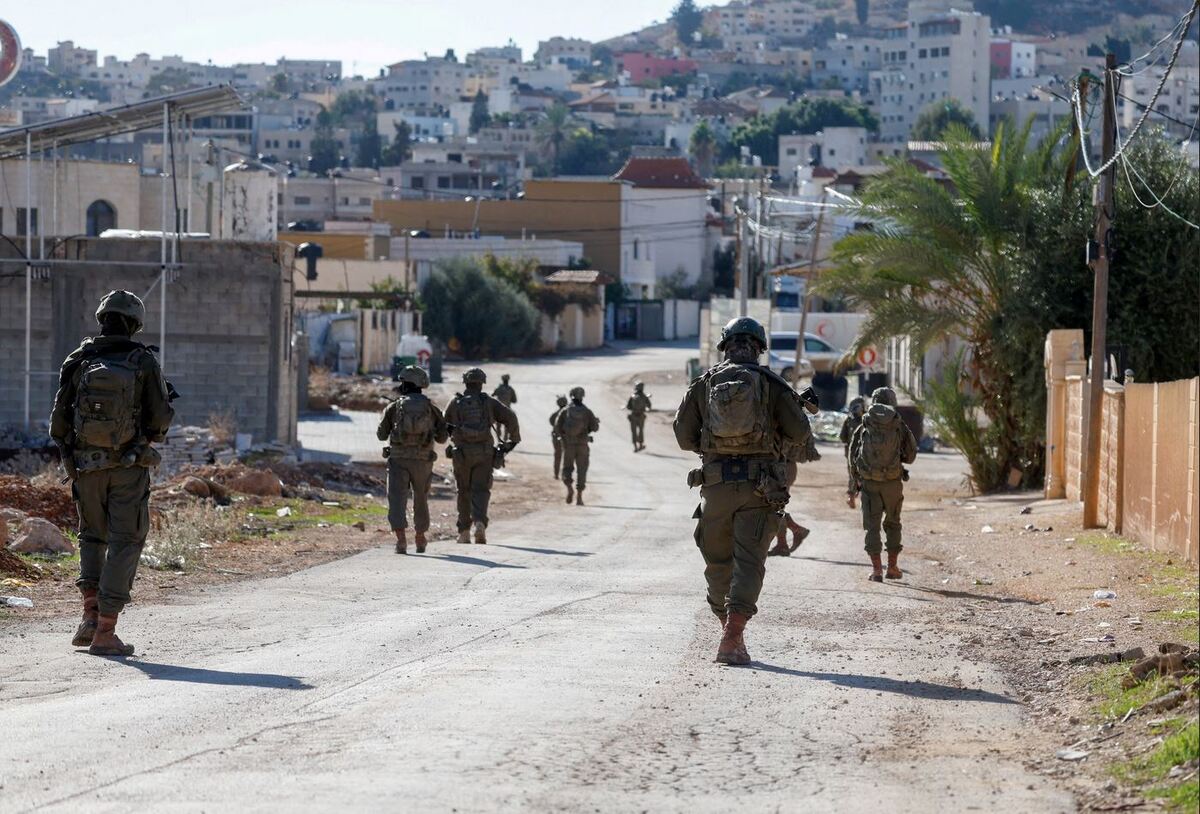
According to the newspaper, internal assessments within the military point to a significant shortage of professional officers and a decline in the quality of regular personnel — issues that directly undermine the army’s ability to operate at full capacity.
Military sources place much of the blame on the policies of past Chiefs of Staff, especially decisions to cut manpower and shorten the mandatory service period. These measures have created a discouraging work environment that pushes many skilled individuals into the civilian sector.
The Personnel Directorate has also come under heavy criticism for failing to modernize its tools and address structural deficiencies in human resources management.
Maariv added that the crisis has also spread to the reserve forces — who played a key role in recent operations — but bureaucracy has hindered their initiative and deepened the disconnect between them and the regular command.
Former officers point to a complex organizational culture that avoids transparency and prioritizes maintaining a positive image before political institutions, resulting in an unclear picture of the true scale of the problem.
This technological shortfall is compounded by internal systems that lack up-to-date data on personnel numbers, locations, and skills, undermining planning and crisis management. Informed officials warn that unless major reforms are made to the army’s human resources and administrative structures, its future readiness will be at risk.
In this context, Maariv’s military analyst pointed to widespread manpower shortages, adding that internal pressures, low salaries, lack of social prestige, heavy workload, and high-risk levels have all contributed to soldiers’ declining desire to serve.
Avi Ashkenazi, Maariv’s analyst, acknowledged that the Israeli army is currently short about 12,000 soldiers — including 9,000 combat troops and 3,000 combat-support personnel. In other words, the army is missing the equivalent of an entire military division. He added that in the 2026 operational year, reserve forces will be mobilized for 60 days.
Ashkenazi emphasized that the proposed conscription law will never meet the army’s real needs. Quoting several officers, he said the law is merely a political maneuver, far from addressing Israel’s security requirements.
He continued: The number of skilled soldiers waiting for their discharge — with no interest in extending their permanent service — is increasing. The army acknowledges that the number of officers and NCOs seeking early retirement is rising daily. Internal pressures, lack of societal appreciation under a cabinet pushing measures that undermine pension and salary rights, low pay relative to long and demanding work hours, and significant risks and responsibilities are all pushing permanent personnel to reconsider their career path.
Ashkenazi further stressed that in recent days, the cabinet appears to be doing everything in its power to weaken the army’s status in society. He added that Defense Minister Yisrael Katz has crossed lines of decorum: while he is not meant to simply rubber-stamp military decisions and certainly has the right to demand implementation of cabinet policies, “this time he has climbed a very tall tree and forgotten how to climb down.”
Ashkenazi concluded that on Friday, the General Staff Forum was forced to cancel its meeting on appointing brigade commanders and colonels. Although the meeting is expected next week, it is already clear that it will be postponed until further notice — a development that will create serious complications and strike at the heart of efforts to rebuild the army’s manpower.