Khatibzadeh: Europe loses its last card by activating the trigger mechanism
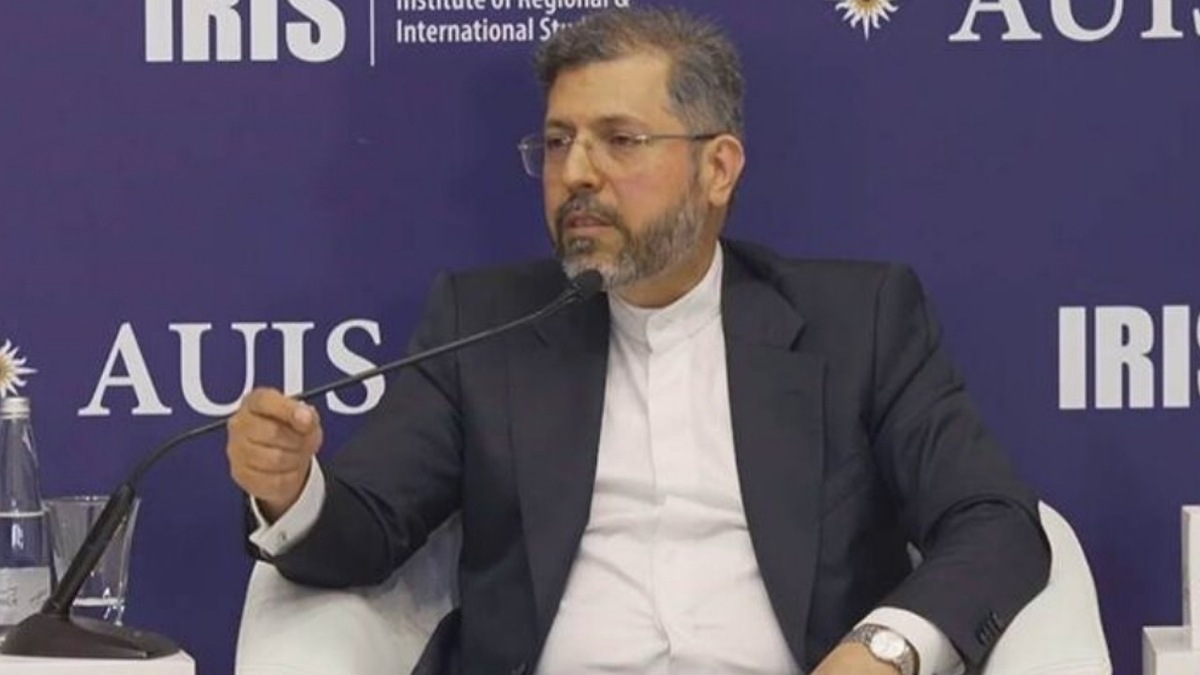
Khatibzadeh, Deputy Minister and Head of the Center for Political and International Studies of the Ministry of Foreign Affairs, warned in an interview with Friedrich Böge, a journalist for the German newspaper Frankfurter Allgemeine, that it is wrong to put pressure on Tehran; trust in new nuclear talks after the war with Israel is very low.
In part of this interview, he said: Activating the 'trigger mechanism' means that Europe loses its last card. Iran saw the Europeans as mediators. Unfortunately, they showed that they are not capable of this role. Putting pressure on Iran is a mistake because it will force Iran to make difficult decisions.
The some parts of the interview is as follows:
Q: Germany, France, and Britain plan to activate the “snapback” mechanism in the next few days, which would restore suspended UN sanctions against Iran. They have given Iran six months, but have not received a response from Tehran. Why?
Khatibzadeh: We believe that the Europeans have no right to activate this provision, which is included in the JCPOA (the 2015 nuclear deal). This is also clear in official statements from China and Russia. Beyond legal issues, there is a perception in Europe itself that the Europeans have increasingly lost their relevance on important international issues, including the Iran case, since President Trump took office. It seems that they want to use this “snapback” card as leverage to put pressure on Iran and the United States to make themselves relevant again. But in fact, they are becoming more irrelevant by doing so, because they are wasting their last card. Iran saw the Europeans as mediators. Unfortunately, they have shown that they are not capable of this role. Putting pressure on Iran is a mistake because it will force Iran to make difficult decisions.
Q: What decisions?
Khatibzadeh: There are many options on the table.
Q: Iran has threatened to withdraw from the Nuclear Non-Proliferation Treaty. Aren’t you afraid that this will encourage Israel to attack again?
Khatibzadeh: The US and Israel attacked declared facilities that were under constant control and inspection. So it is clear that their concern was not Iran’s peaceful activities or its membership in the Non-Proliferation Treaty. It was about the future of world politics and the Middle East order and their realization as they wanted. It was not about the negotiations either, because we were in the middle of negotiations when they attacked. We exchanged indirect messages with Mr. Wittkoff (US special representative) until a few hours before the aggression began. This means that they were already planning the military operation while they were talking to us.
Q: To clarify: So you are therefore ruling out any extension of the snapback?
Khatibzadeh: We consider this possible action to activate the snapback as a continuation of the aggression against Iran. When the new Iranian government took office, we invited the Europeans to negotiate to revive the JCPOA. They said: Let’s wait and see what happens in the United States. After the US elections, they said: Let’s see what Trump’s priorities are. They told us, “We don’t want to provoke him.” And now, after all this waiting, in Istanbul and after the military attack on Iran, the Europeans are telling us: Please go and talk to the Americans.
Q: This is one of the three conditions for postponing the snapback.
Khatibzadeh: We don’t need the Europeans to tell us this. Is this really the role that the Europeans want to define for themselves? Instead, they should – as the coordinators of the JCPOA – offer concrete proposals and solutions to Washington and Tehran. They can’t simply say, “Talk to the Americans,” especially when they are not ready for real, result-oriented negotiations.
Q: What messages are you getting from Washington right now? Trump is clearly not interested in continuing the talks. He says Iran’s nuclear facilities have been destroyed.
Khatibzadeh: We are getting the messages indirectly. But this attack has changed the situation in many ways. We cannot simply return to the negotiating table, especially when we are not sure that they will not use the new talks as a pretext for another war.
Q: So you want security guarantees?
Khatibzadeh: We want two things. First, the talks should be results-oriented. Second, during the talks, hostilities should cease.
Q: Iran insists that under the Non-Proliferation Treaty, it has the right to enrich uranium. The United States says there should be no enrichment. Do you see a way out of this impasse?
Khatibzadeh: Iran does not accept being an exception to international law. If the US insists on “zero enrichment,” there will be strong resistance. But if they want to make sure that Iran never produces a nuclear weapon, many things can be discussed. If we go back to negotiations, it will be just an armed negotiation. We will have all our fingers on the trigger, because we do not trust the other side. We have enough reasons to be skeptical of their intentions.
Q: German Chancellor Friedrich Mertz has said that Israel is doing the dirty work of its allies in Iran. What do you think?
Khatibzadeh: I am sure that he does not speak in the name of the proud German nation. I am sure that your Chancellor, sitting alone in his office, is ashamed to stand by the genocidal regime of Israel and support this gross violation of international law, the attack on Iran and its nuclear facilities. I am sure that no German would accept that the Chancellor calls the killing and slaughter of innocent Iranians a “dirty job” that Israel is doing for him. It seems that the Chancellor was deceived by Israel’s false arguments that Iran is on the verge of collapse and made this statement.