Details of Syrian interim government concessions in meetings with Israel
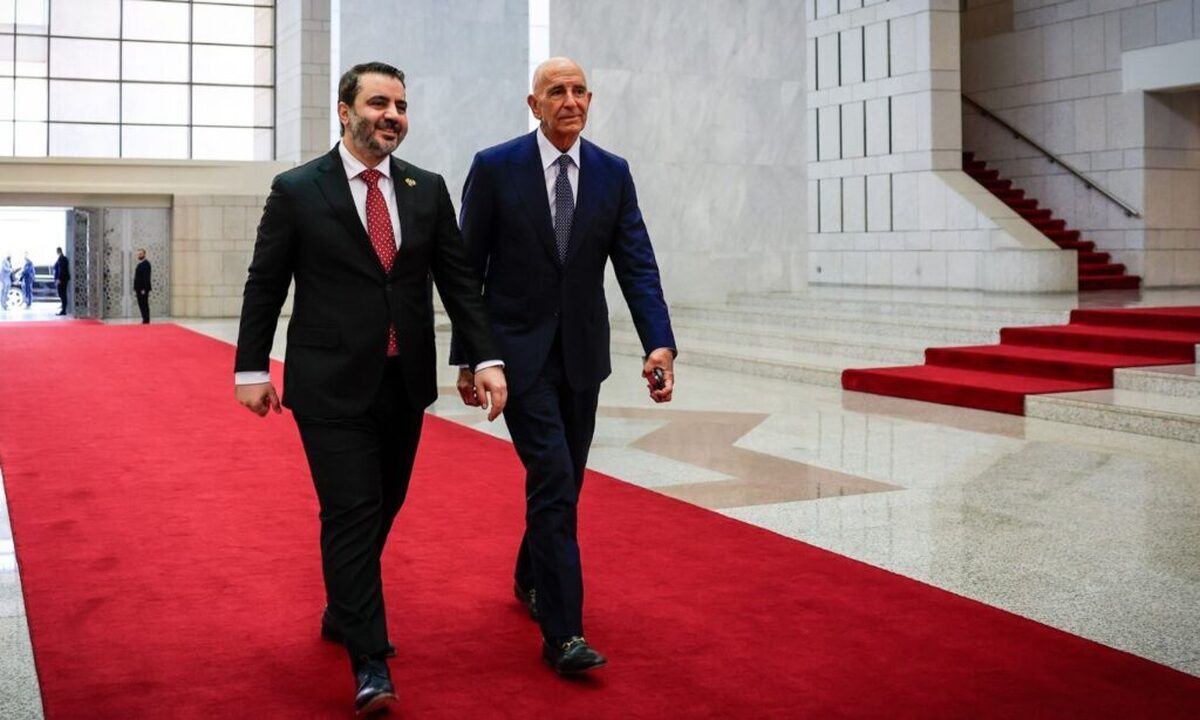
The Hebrew-language newspaper Haaretz described the negotiations between Israel’s Strategic Affairs Minister, Ron Dermer, and Syrian Foreign Minister, Asaad Al-Shibani, as a “crucial test” for the relationship between the two sides.
Haaretz added that the official Syrian news agency, SANA, for the first time provided unprecedented coverage of the meeting, unlike previous occasions.
According to Haaretz, recent days have seen intense diplomatic activity concerning southern Syria, most notably a meeting two days ago between Dermer and Al-Shibani in Paris, attended by Thomas Barak, the U.S. envoy.
The newspaper further reported that Barak also held a separate session with Sheikh Mouafak Tarif, leader of Israel’s Druze community, as part of U.S. efforts to draft new security arrangements in the region.
Haaretz noted that Dermer and Al-Shibani had previously met last month, mediated by Barak, to discuss Israeli military activities in Syria and security arrangements, though SANA did not mention that meeting.
SANA reported, without referencing Israeli occupation, that the talks focused on “reducing tensions, non-interference in Syrian internal affairs, extending the 1974 Disengagement Agreement, and monitoring the ceasefire in the Sweida region.”
While Israel occupies large parts of southern Syria and regularly bombs remaining bases and weapons of the former Syrian government, Haaretz cited informed sources saying that a key point on the agenda during the Dermer-Al-Shibani meeting was “preventing Hezbollah, Iranian forces, or any other party considered hostile to Israel from deploying in southern Syria.”
Sources noted that among the proposals discussed was that “the Syrian army should not be stationed in the border area with Israel,” and only security forces without heavy weaponry, limited to maintaining order, should be present in the region.
Haaretz concluded that these negotiations provide the Syrian rebel government an opportunity to open a communication channel with Israel and strengthen its position and relations with Washington.
Meanwhile, a senior official in the Al-Julani government told the Israeli network i24NEWS that Damascus is approaching a security agreement with Israel, which is expected to be presented during the upcoming UN General Assembly in September.
The Emirati website Arm News also reported yesterday on a meeting between members of the Israeli cabinet and war ministry officials, on one side, and several activists and representatives of the Druze community in Sweida and Israeli-occupied territories, on the other.
A Druze source from Sweida stated that the meeting aimed to inform representatives of the Druze community in the occupied territories and Sweida about Israeli measures and next steps regarding the Sweida issue.
Meanwhile, Israeli military commanders present at the meeting emphasized that they had received direct orders from the highest levels to support the Druze forces in Sweida once they are organized into a defense force.
They stated that these forces, in addition to receiving logistical and intelligence support from the Israeli army, will be equipped with advanced weaponry and professionally trained under the supervision of Druze officers from inside the occupied territories.