Trump-Putin meeting; What does the exclusion of Europe and Kyiv at the Alaska Summit mean?
U.S. President Donald Trump announced that on August 15, he will meet Russian President Vladimir Putin in Alaska to discuss efforts to end the war in Ukraine.
Meanwhile, Ukrainian President Volodymyr Zelensky, hours after Trump mentioned territorial concessions as part of a potential peace deal, stated that Ukrainians will not give their land to Russia.
Trump indicated that any peace agreement could involve the exchange of certain territories, a prospect that has sparked controversy.
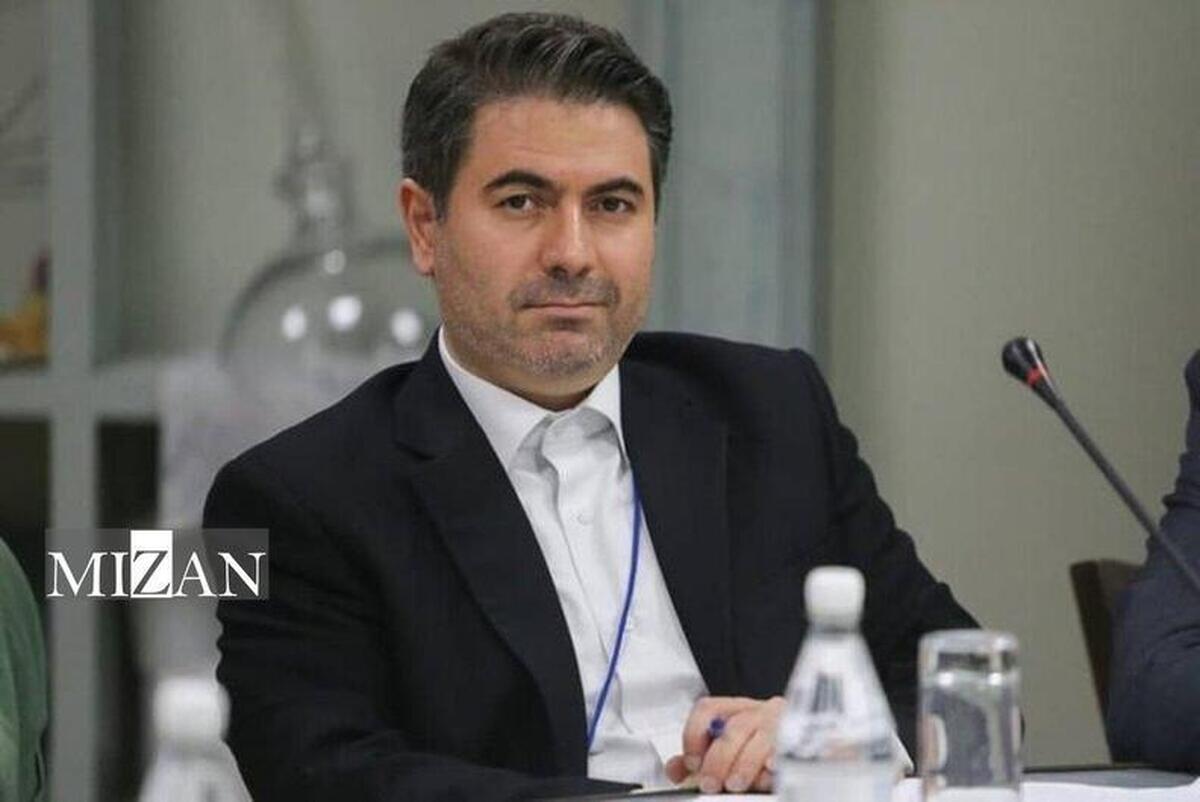
In this context, Rouhollah Modabber, a Russian affairs expert, spoke with Mizan to analyze the dimensions of the meeting and its potential impact on the Ukraine war.
From empty rhetoric to direct talks
Modabber said that, alongside advances by the Russian army on the special military operation front, the U.S., after numerous unproductive statements and verbal pressure, was ultimately compelled to engage in direct talks with Russia, leading to a face-to-face meeting between Trump and Putin.
He noted that the August 15 meeting is extremely significant and could, in some respects, be considered a “Yalta 2” level summit.
Modabber explained that the original Yalta Conference, held a few months before World War II in the Soviet Union (now Yalta, Russia), helped establish a new global order.
He emphasized that at the Alaska summit, European powers—particularly the United Kingdom—have been excluded, with the meeting taking place directly between the U.S. and Russian presidents. This was a key Russian demand, given that the UK had previously obstructed peace efforts in the Ukraine crisis.
Russia’s six conditions remain unchanged
Modabber added that Russia’s six conditions for a ceasefire have not changed. The situation has shifted toward U.S. acceptance of Russia’s new territorial map, and Trump even stated that Zelensky should cooperate in this regard.
He also highlighted the critical importance of Ukraine’s absence, noting that any potential direct agreement between the U.S. and Russia would be negotiated solely by the two global powers.
While other issues, such as polar affairs and environmental matters, will also be discussed between the two presidents, the main reason the U.S. accepted Russia’s preconditions is the realization that American forces cannot alter the situation on the military front.
Modabber pointed out that Russian forces have maintained control over all defensive lines, are advancing, and that crossing the Dnieper could lead to the fall of Kyiv—a significant challenge for the U.S., which has fully supported Ukraine for three years.
Negotiating before the Dnieper crossing
He added that NATO, facing the challenge of standing against Russia with 32 countries, is attempting to negotiate agreements with Russia before Russian forces cross the Dnieper.
Modabber emphasized that Russia, through smart diplomacy, enhanced military capability, national cohesion, improved economic indicators, signaling strength internationally, and employing skilled and nationally focused diplomats and politicians, has achieved success both on the battlefield and in diplomacy.
He concluded that the UK is deeply concerned and angered by its exclusion from the talks and the possibility of a U.S.-Russia agreement, and it will attempt to disrupt the deal wherever possible.