When others speak of a strong Iran

If a nation is unwilling or unable to narrate its own identity, civilization, and culture, others will narrate it on its behalf. Understanding this overarching principle enables us to pursue our objectives beyond the outdated diplomatic frameworks of the 20th century.
The pivotal role of Iran’s cultural diplomacy Headquarters
The Islamic Culture and Relations Organization (ICRO) is considered the hub and beating heart of the country's cultural diplomacy: an organization that is undergoing a new transformative era and has, in recent years, developed operational and documented models aimed at "narrating Iran." One such initiative is the project titled "Tell About Iran."
This project, by inviting over 170 journalists and documentary filmmakers from 28 countries and leveraging their direct storytelling, has become an effective tool for reconstructing Iran's true image in global media. The peak impact of this project was evident during the 12-day imposed war with the Zionist regime, where guest journalists and influencers in Iran, through content creation and open stances against Israel, provided media support for Iran. They demonstrated that firsthand travel experiences in Iran and direct narration can be the most significant tools for countering the distortions of mainstream media.
A manifestation of national pride and civilizational identity
This ongoing process reflects the national pride and civilizational depth of Iranians. A personal account—whether from a foreign artist, influencer, or intellectual—about their direct observations of today’s Iran carries an authenticity and resonance that cannot be replicated through thousands of official reports. During the recent brazen Zionist aggression against Iran’s sacred soil, we witnessed how Alaa Al-Shabi, the famous Tunisian TV host and artist, vividly narrated the “national cohesion of Iranians” before millions of his fellow countrymen.
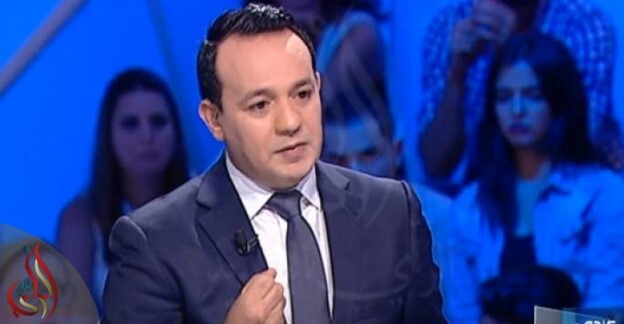
A delegation of Tunisia’s most renowned TV hosts happened to be in Iran when the war broke out. Despite the conflict, they stayed for three days, thanks to the dedicated efforts of ICRO, and eventually returned home via Turkey. Upon their return, a widely viewed TV program was produced featuring their experiences in Iran during wartime. This program became the top news in Tunisia, garnering over five million viewers in a country of 12 million. Highlights from Alaa Al-Shabi’s account are a source of pride for any patriotic Iranian:
“When we arrived in Iran and the war began, everything continued as normal. People went about their daily lives. Despite the bombings, Iranians bravely and steadfastly carried on. What I witnessed was a dynamic society with a progressive new generation. We encountered a civilized country with advanced industrial infrastructure. Iran has set unprecedented records in various fields. We visited the Milad Tower in Tehran—built before Dubai’s famous Burj Khalifa. We saw Valiasr Street, the region’s longest boulevard lined with green trees. Many around the world are unaware of these realities. Iran is a developed and beautiful country.”
Iran’s grandeur captivates any audience
Hadi Ajili, Iran’s cultural attaché in Tunisia, highlights the significance of this visit and its timing during the conflict:
“Today, Tunisians—often exposed to biased and inaccurate media portrayals of Iran—now hold a vivid and truthful image of our country. The recent highly viewed TV program and its widespread circulation across digital and social platforms inside and outside Tunisia have allowed Iran to be portrayed as it truly is: powerful, civilized, and advanced.”
Dr. Ajili adds: “Iran’s grandeur captivates all who encounter it. Part of this grandeur stems from Iran’s history, civilization, and progress; another part lies in the social realities that must be experienced firsthand to be truly understood and believed.”
Continuing creatively and resolutely
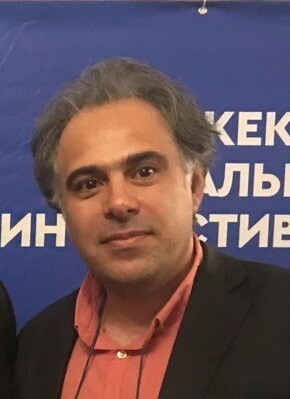
Mehdi Salehi, Head of the Department for Radio, Television, and Press Cooperation at Iran’s Islamic Culture and Relations Organization, emphasized the determination of Iran’s Cultural Diplomacy Task Force to provide a comprehensive and inclusive narrative of the country.
He stated: "Our enemies are deeply fearful of the global public being exposed to the ‘Reality of Iran.’ Once the reality of Iran is presented openly to international audiences, the false assumptions and preconceived notions shaped by others’ biased narratives are naturally invalidated."
He continued: "Today, a significant number of influential individuals and artists who have traveled to our country through the ‘Tell About Iran’ initiative no longer remain silent in the face of malicious and deceitful narratives about Iran. We witnessed the impact of this during the recent 12-day aggression by the enemy, as reflected across social media in various countries. Prominent and widely-followed artists from Asia, Europe, and Africa are now sharing their personal observations about a nation that stands as a symbol of civilization and progress — a country that never bows down to the pressures of its enemies."